In the complex and volatile context of the Israeli occupation and frequent settler violence, Palestinian communities have increasingly turned to local radio as a vital tool for resilience and navigation. Al Jazeera’s journalist Nida Ibrahim sheds light on how these grassroots radio stations are playing a critical role in providing real-time information, fostering community solidarity, and countering misinformation in Palestinian areas.
Local radio stations in Palestinian territories have long been a crucial medium for communication due to limited access to other forms of media and the challenges posed by the occupation. Recently, as tensions have escalated with increasing settler pogroms and military incursions, the role of these radio outlets has expanded significantly.
Radio stations serve multiple functions for Palestinians. Primarily, they act as crucial channels for disseminating urgent updates during crises, including warnings about imminent attacks or military actions. This immediate flow of information can be lifesaving as communities prepare to defend themselves or evacuate threatened areas.
Moreover, local radio provides a platform for Palestinians to share their stories and experiences, which are often underreported or distorted in mainstream media, especially within the context of the Israeli-Palestinian conflict. In this way, radio helps preserve cultural identity and assert narratives that challenge dominant perspectives.
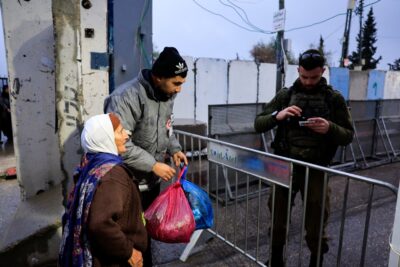
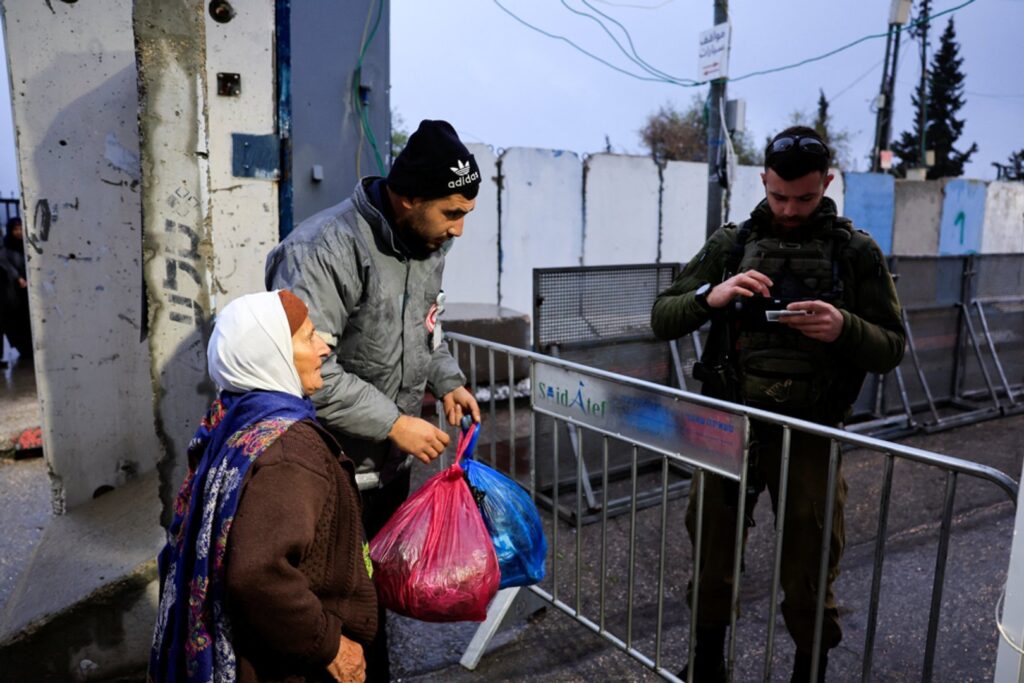
Nida Ibrahim explains that the broadcasts often include discussions about rights, legal advice, and practical guidance on navigating the complexities of life under occupation. This informational support equips Palestinians with knowledge that is vital for everyday survival, from dealing with checkpoints to health care access.
The stations also foster a sense of community and solidarity, offering a space where Palestinians can express their resilience and hope despite ongoing adversity. Music, poetry, and cultural programming interspersed with news updates help maintain morale and cultural continuity.
However, these radio stations face significant challenges. They operate under constant threat of shutdown or harassment by Israeli authorities. Their journalists and broadcasters frequently risk arrest or violence, reflecting the broader struggles of media workers in conflict zones.
Despite these dangers, the commitment of local radio workers to their communities remains steadfast. Their efforts underscore the importance of media freedom and access to information in conflict environments.
Internationally, the use of Palestinian local radio serves as a powerful example of how oppressed communities creatively utilize media tools to resist domination and sustain their identity. It also highlights the need for greater support and protection for independent media operating under repressive conditions.
As the Israeli occupation continues and settler violence shows no signs of abating, local radio will likely remain a cornerstone of Palestinian resistance and survival. These broadcasters are more than just news outlets; they are lifelines, uniting Palestinians across fragmented territories and keeping the spirit of their people alive.
In conclusion, the use of local Palestinian radio amid the challenges of Israeli occupation and settler pogroms is a testament to the resilience and resourcefulness of the Palestinian people. It offers a critical lifeline for information, expression, and solidarity that is essential to navigating the harsh realities they face daily. Through the voices transmitted over airwaves, Palestinians assert their presence and dignity in the face of ongoing adversity.