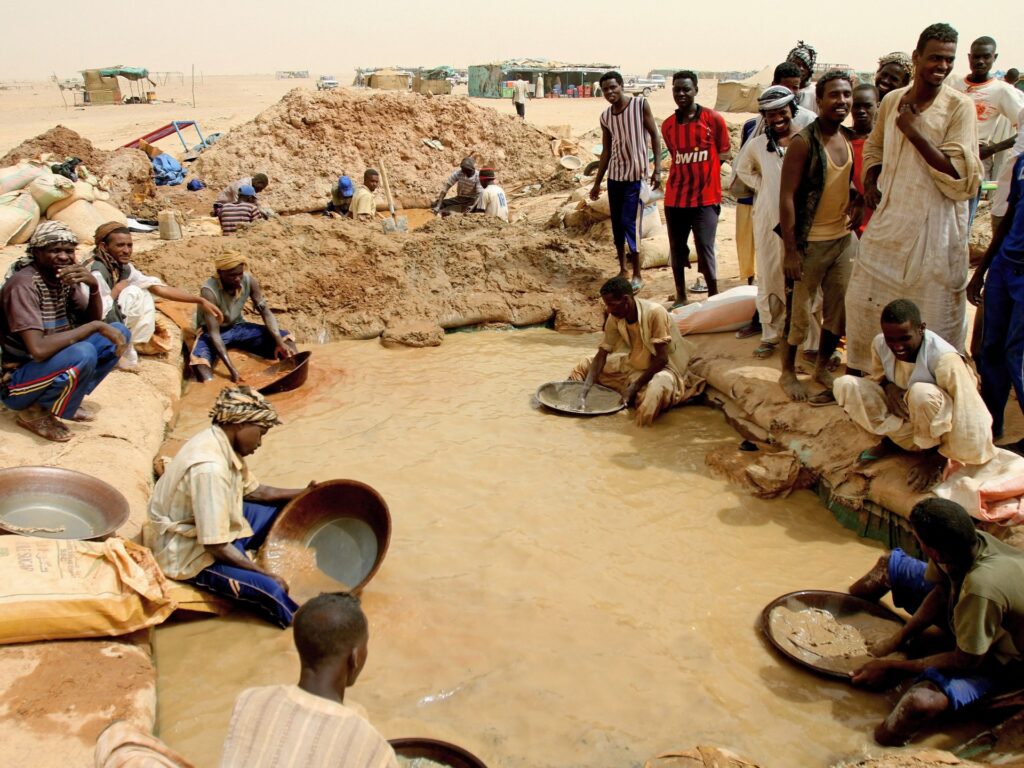
A tragic incident occurred in Sudan’s West Kordofan region where a gold mine collapse has claimed the lives of at least 82 people. The disaster involved the collapse of a series of adjoining mining shafts used by artisanal miners, highlighting the dangers faced by those working in informal mining sectors.
Artisanal mining—small-scale, often informal mining—is common in many parts of Sudan, particularly in resource-rich regions like West Kordofan. These miners typically work in hazardous conditions without adequate safety measures, making accidents like this one all too frequent.
The collapse struck when multiple interconnected shafts gave way, trapping dozens of miners underground. Rescue operations faced significant challenges due to unstable ground conditions and the complexity of the mine’s network of shafts. However, emergency teams have been working tirelessly to recover those missing.
Authorities and local officials have expressed deep sorrow over the loss of life and have pledged to provide support to the families affected by this catastrophe. The incident has also triggered calls for improved regulation and safety protocols in artisanal mining activities to prevent future disasters.
This tragedy underscores the vulnerabilities faced by artisanal miners in Sudan and other similar regions worldwide, where mining presents both economic opportunities and significant risks.
Efforts to modernize and regulate mining practices are seen as crucial to protect workers’ safety and to ensure that resource exploitation contributes positively to local economies without causing undue harm to lives and communities.
The West Kordofan governor has ordered an investigation into the circumstances leading to the collapse and has emphasized the importance of enforcing mining safety standards. Meanwhile, humanitarian groups are mobilizing assistance for survivors and families of the deceased.
In light of this disaster, there is growing international attention on the need to support artisanal miners with safer techniques, better equipment, and access to formal mining sectors that can guarantee safer labor conditions.
As the rescue and recovery efforts continue, the Sudanese government faces pressure to prioritize mine safety reforms and increase oversight of artisanal mining to avoid recurrence of such devastating accidents.
This incident is a somber reminder of the human costs associated with unsupervised mining practices and the critical necessity for comprehensive safety regulations in the industry.