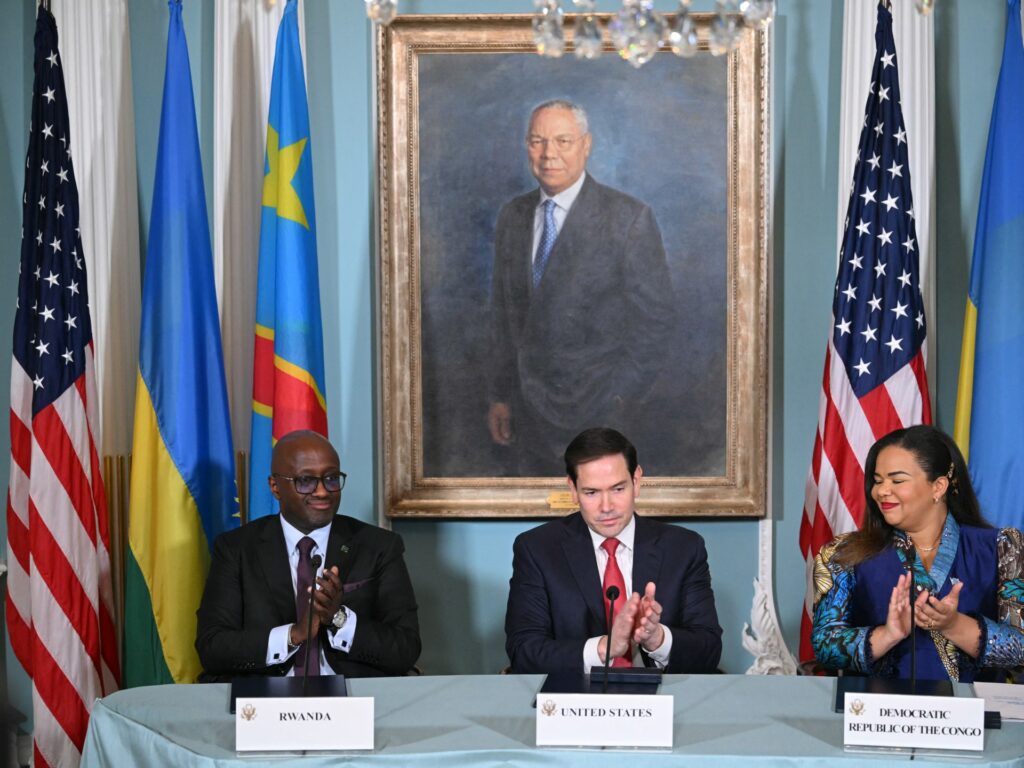
The ongoing conflict in eastern Democratic Republic of Congo (DRC) has taken a critical turn as the M23 rebel group controls significant portions of the region. The situation remains tense with Kinshasa and Kigali locked in a stalemate over issues of security and sovereignty, hampering efforts for lasting peace.
M23, a rebel militia primarily composed of Tutsi fighters, has repeatedly clashed with Congolese forces, destabilizing an already volatile region. The group’s control over vast swathes of eastern Congo has led to significant displacement, humanitarian crises, and international concern. The root causes of the conflict are deeply intertwined with ethnic tensions, regional politics, and competition over mineral wealth.
The complex history between DRC and Rwanda adds another layer of difficulty in resolving the crisis. Rwanda has been accused of supporting M23 rebels, a charge Kigali denies, further straining diplomatic relations. The two countries have historically had shaky ties, compounded by accusations of cross-border interference and military incursions.
In response to escalating violence, international mediators have pushed for diplomatic dialogue, culminating in the latest round of talks in Geneva. These talks aim to renew commitments to peace and address core issues such as disarmament, refugee repatriation, and respect for sovereignty. However, both parties remain deeply distrustful, complicating prospects for a breakthrough.
The Geneva talks present a critical opportunity to disrupt the recurring cycle of violence plaguing eastern Congo. Stakeholders hope that neutral facilitation and international pressure might encourage concessions necessary for a ceasefire and future cooperation.
Key issues on the table include the demobilization of rebel groups, the reintegration of combatants into civilian life, and the establishment of joint security mechanisms to prevent further escalations. Additionally, addressing the humanitarian needs of displaced populations and ensuring safe access for aid are priorities.
While optimism surrounds the talks, challenges remain. The underlying mistrust between Kinshasa and Kigali, fueled by historical grievances and current geopolitical interests, is a formidable obstacle. Furthermore, internal divisions within the DRC itself complicate the implementation of any agreement reached.
The international community, including the United Nations, African Union, and various NGOs, is closely monitoring the situation. Their involvement is critical in providing peacekeeping support and humanitarian assistance.
Ultimately, the Geneva talks offer a glimmer of hope in an otherwise bleak scenario. Success depends on the willingness of all parties to transcend past animosities and prioritize regional stability and development. If successful, these negotiations could lay the groundwork for sustained peace in eastern Congo, benefiting millions affected by the conflict.
As the world watches, the question remains: can diplomacy in Geneva finally break the cycle of war in eastern Congo, or will history repeat itself, leaving the region mired in conflict? The coming weeks and months will be crucial in determining the future trajectory of this fragile peace process.