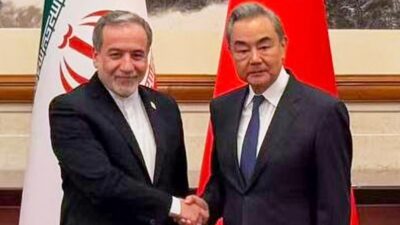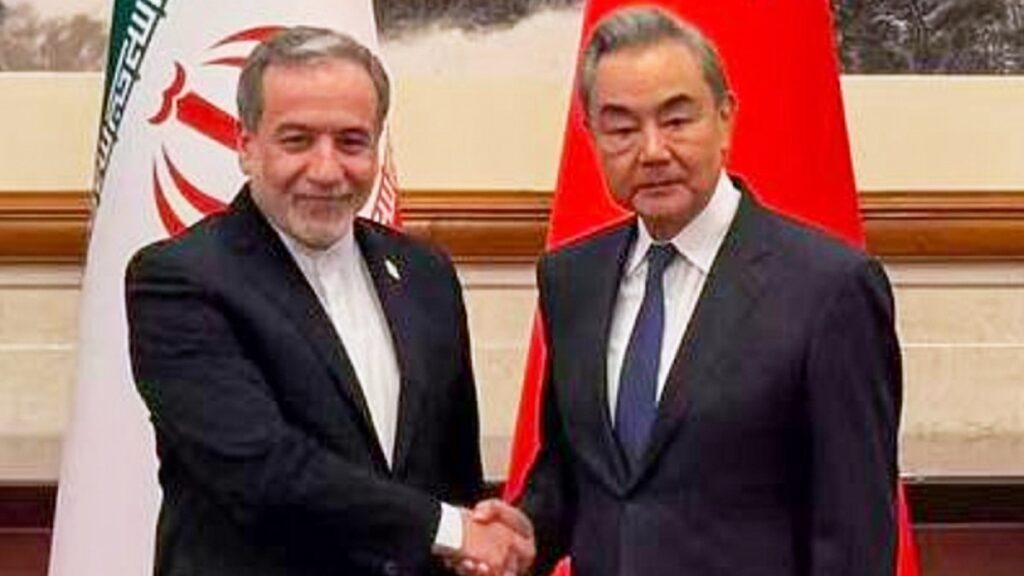
As tensions escalate between Iran and the United States, Iran’s Foreign Minister has made an important diplomatic trip to Beijing, signaling a potential opening for peaceful dialogue. China, with its unique position and growing influence on the world stage, could act as a peacemaker in the strained relations between Tehran and Washington.
The trip comes at a critical time when geopolitical tensions in the Middle East and beyond have intensified. Iran’s foreign minister aims to strengthen bilateral ties with China and explore diplomatic avenues that might reduce friction with the United States.
China’s interest in fostering stability in this situation stems from its broader strategic and economic interests in the region, including energy security and infrastructure investments under the Belt and Road Initiative.
During this visit, both Tehran and Beijing are likely to discuss cooperation that extends beyond trade and investment to include political and security dialogues. Beijing’s mediation could provide a platform for indirect communication between Iran and the United States, promoting negotiation instead of conflict.
Experts believe that China’s non-interventionist foreign policy might enable it to be viewed as a neutral party acceptable to both Tehran and Washington. This perception is crucial for any successful diplomatic mediation.
The United States has been cautious but observant of China’s increasing involvement in Middle Eastern affairs. While Washington remains focused on containing Iran’s nuclear ambitions and regional influence, dialogue facilitated by Beijing could open new channels for de-escalation.
In the context of rising hostilities, a Chinese-mediated diplomatic effort might ease tensions and pave the way for a more comprehensive approach to regional security and cooperation.
However, challenges remain. Differences over key issues such as Iran’s missile program, regional proxies, and sanctions policies are substantial hurdles.
Beijing’s capacity to act as an honest broker will depend on its willingness to balance its strategic partnership with Tehran and its complex relations with the United States.
This diplomatic endeavor unfolds amid a backdrop of global realignments, where traditional power structures are shifting and new alliances are forming.
The outcome of this initiative could influence broader international dynamics, including the future of nuclear non-proliferation efforts and the stability of energy markets.
China’s role as a peacemaker in the Middle East could mark a new chapter in its foreign policy, reflecting a pragmatic approach to conflict resolution and international diplomacy.
Ultimately, the success of these talks in Beijing will hinge on mutual concessions, trust-building, and sustained engagement from all parties involved.
As the world watches, the diplomatic dialogue between Iran and China may offer a glimmer of hope amid ongoing tensions and highlight the evolving role of China as a global mediator in conflict zones.