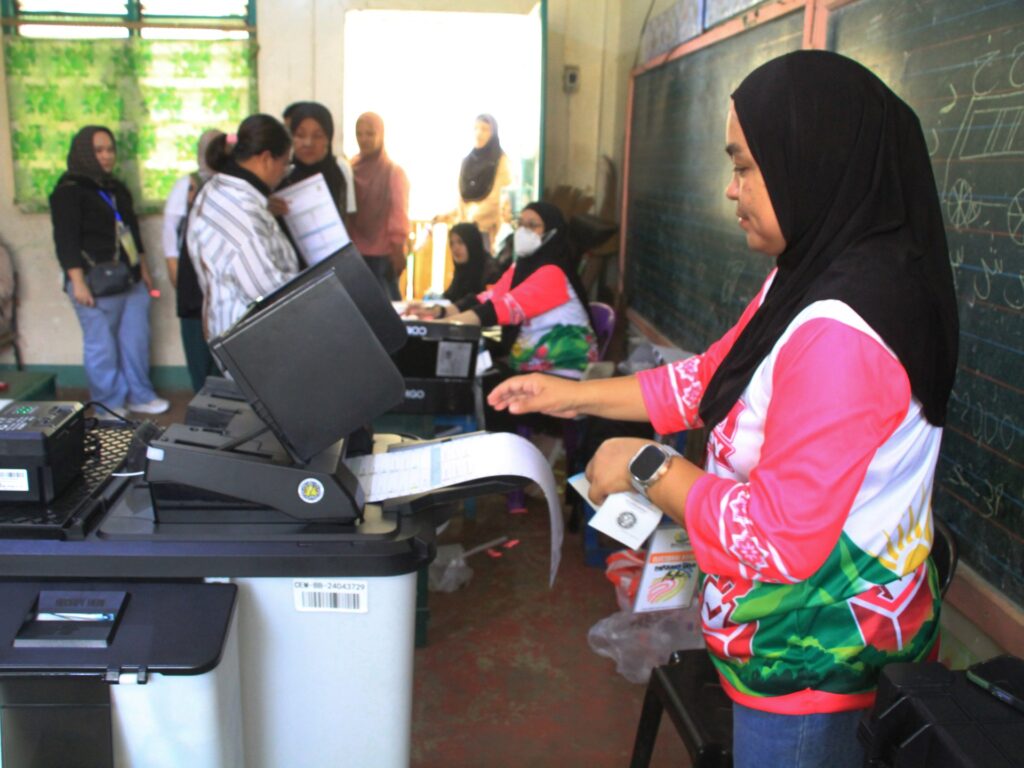
The recent parliamentary elections in the Bangsamoro region of southern Philippines have concluded with no party securing a clear majority, resulting in a hung parliament. The Bangsamoro Autonomous Region in Muslim Mindanao (BARMM), predominantly Muslim, held these important elections to fill its parliamentary seats, pivotal for the governance and future political landscape of the region.
Unofficial results released after the elections indicate a fragmented mandate among various political parties and coalitions, signaling a complex path ahead for forming a stable government. This development marks a significant moment in the political history of Bangsamoro, which was created recently to grant greater autonomy and self-governance to the Muslim-majority areas after decades of conflict.
The election saw a highly competitive race among numerous parties, reflecting the diverse political interests and aspirations within the region. The absence of a party with a clear majority means that coalition-building and negotiations will be crucial in establishing the leadership and direction of the autonomous government’s parliament.
Political analysts suggest that this hung parliament could lead to either constructive alliances promoting inclusive governance or potential gridlock affecting legislative processes. The election outcome highlights the challenges of political integration and unity in a region with a complex social fabric and continuing security concerns.
Community leaders and stakeholders have called for calm and cooperation among elected representatives to prioritize the Bangsamoro region’s development, peace, and stability. The central Philippine government has also expressed support for the peaceful transition and the effective functioning of Bangsamoro’s parliamentary system.
The election’s result underscores the evolving democracy in the Bangsamoro region and the ongoing efforts to implement the Bangsamoro Organic Law, which underpins the autonomous status and political framework of BARMM. The forthcoming months will be critical as parties engage in dialogue to form a coalition government capable of advancing the region’s agenda.
Overall, the election outcome represents both the challenges and opportunities facing Bangsamoro as it charts its path toward peace, autonomy, and inclusive governance in the Philippines’ southernmost region.