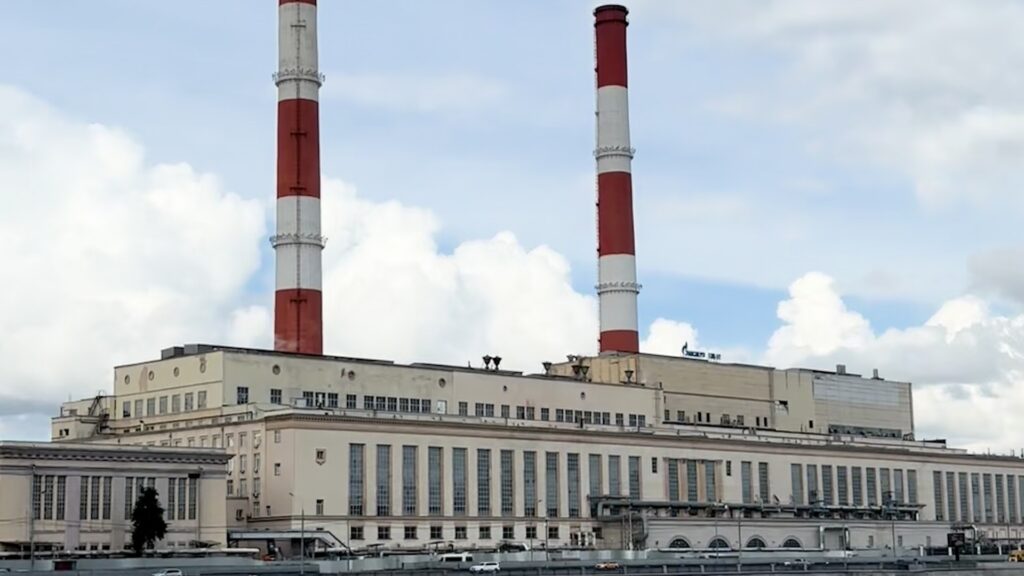
The ongoing conflict between Russia and Ukraine has seen significant attacks on energy infrastructure, leading to widespread power outages and exacerbating the humanitarian crisis in the region. These attacks have targeted critical facilities such as power plants, electrical grids, and gas supplies, severely impacting civilians and the overall stability of energy systems.
Discussions around a potential halt to these attacks have emerged amidst increasing international pressure. Both sides have faced harsh criticism for utilizing energy infrastructure as a strategic target, which has drawn condemnation from global organizations and governments. The destruction of such facilities not only cripples energy availability but also slows down reconstruction and recovery efforts.
Russia’s military strategy has included strikes aimed at undermining Ukraine’s energy capacity, particularly during winter months, to lower morale and force concessions. Ukraine, in turn, has accused Russia of deliberately targeting its power networks as part of broader aggressive tactics, while also taking defensive measures to protect its own energy sectors.
Diplomatic efforts remain ongoing, with various peace talks and negotiations aiming to find a resolution to the conflict. One of the points raised involves cessation of attacks on civilian infrastructure, including energy. Some international actors advocate for ceasefires or agreements specifically protecting essential services to avoid further humanitarian disaster.
However, as of now, there is no official confirmation from either Russia or Ukraine about a concrete plan to halt attacks on energy infrastructure. Both countries continue to consider energy sites strategic assets, and the security situation remains fragile. The persistence of military operations complicates enforcement of any potential agreements.
Experts emphasize the importance of protecting energy infrastructure to maintain essential services for civilians and to prevent exacerbation of the crisis. They also call for increased monitoring and accountability to deter further damage.
In conclusion, while the idea of halting attacks on energy infrastructure is widely supported internationally for humanitarian and stability reasons, it remains uncertain whether Russia and Ukraine will formally agree to such measures in the near term. Continued diplomatic pressure and negotiations will be critical in shaping any future developments regarding the protection of vital energy resources amidst this conflict.