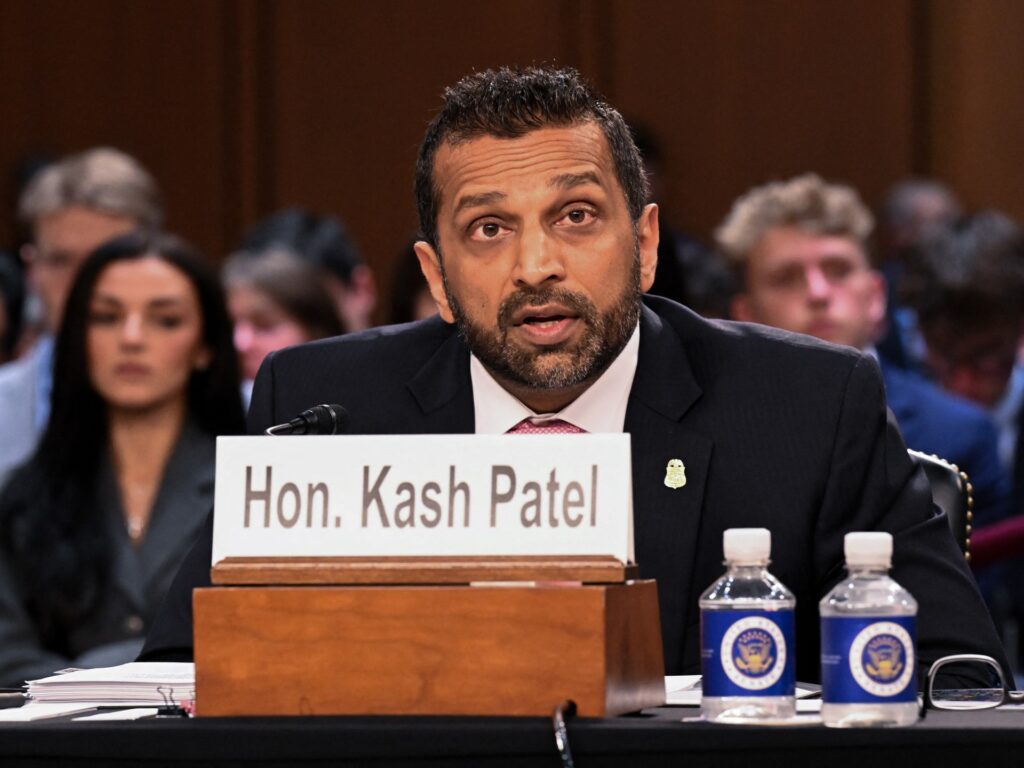
The Federal Bureau of Investigation (FBI) recently came under intense scrutiny following revelations about a significant shift in its hiring policies. Kash Patel, a senior FBI official, took the spotlight to defend the agency’s new provisions regarding applicants with histories of bestiality and prostitution-related offenses. This policy change, which has sparked a fiery debate within the Senate and beyond, raises profound questions about the FBI’s recruitment standards and priorities.
During a Senate hearing that quickly turned contentious, critics lambasted the FBI for relaxing its ethical and moral hiring criteria at a time when public trust in law enforcement is pivotal. Senator voices echoed widespread concern that the policy change seemed ill-timed, especially as the FBI struggles with a notable shortage of new agents capable of addressing growing and evolving security challenges.
Kash Patel argued that the updated policies are not about lowering standards indiscriminately but about reexamining the complexity of individual cases in a modern context. He emphasized that the FBI must consider the varied backgrounds of applicants to build a diverse and proficient workforce capable of tackling the sophisticated demands of today’s investigative environment.
The policy tweak reportedly allows the FBI greater discretion to evaluate candidates with such past offenses without automatically disqualifying them, instead considering evidence of rehabilitation and time elapsed since the offense. Advocates for reform within the FBI argue this approach expands the pool of qualified candidates and reflects a more nuanced view of personal history.
Opponents, however, warn that these changes risk undermining public confidence in the FBI’s integrity and ethics. They express concern that allowing individuals with such serious past indiscretions into the agency could compromise its mission and public image.
The debate also highlights wider issues faced by the FBI, including attracting highly qualified candidates in an increasingly competitive job market. Advocates for the policy change suggest that rigid exclusion criteria may unnecessarily disqualify talented individuals who have changed and can contribute meaningfully to national security efforts.
Beyond the immediate controversy, this policy change has stirred discussions about the balance between maintaining strict recruitment standards and the need for evolving policies that accommodate rehabilitation and societal changes. It also brings to the fore challenges in law enforcement hiring practices nationwide, where agencies must weigh the merits of inclusivity against preserving public trust.
As this debate unfolds, the FBI leadership continues to stand by the rationale that the policy changes reflect a strategic approach to recruitment and are backed by rigorous case-by-case evaluations. The agency maintains these standards ensure that candidates who join the FBI are both capable and uphold the values necessary for the agency’s critical role.
Stakeholders and policymakers now face the challenge of reconciling concerns about ethics with pragmatic recruiting realities. The discussion underscores the complexities of law enforcement personnel policies in an era marked by both rising security threats and evolving societal norms.
The Senate plans further sessions to delve into the implications of this decision, and whether additional safeguards or clarifications are necessary to align FBI hiring practices with public expectations and operational effectiveness. Meanwhile, the FBI continues recruiting efforts and monitoring the impact of its revised policies on agent retention and operational readiness.
This unfolding situation offers a critical lens into law enforcement’s evolving landscape, highlighting the tensions between tradition, morality, and the adapting needs of a modern security apparatus. As policymakers, law enforcement, and the public weigh in, the outcome will likely influence hiring norms and agency culture in the federal law enforcement community for years to come.