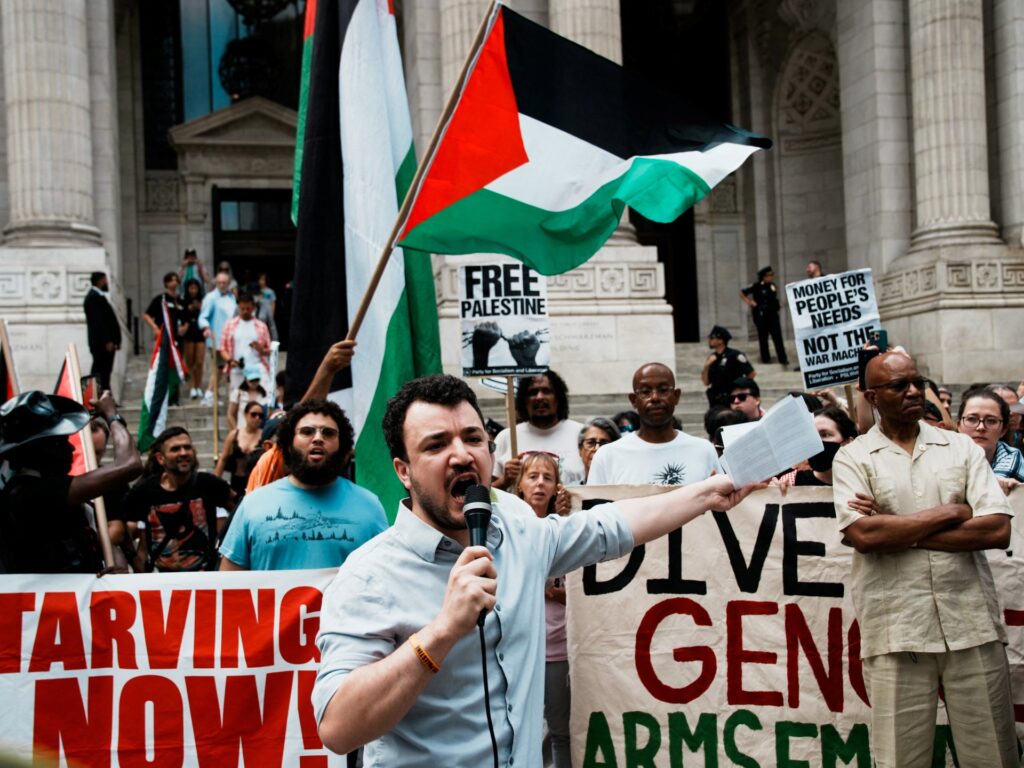
Mahmoud Khalil, a pro-Palestinian activist, has filed a lawsuit against Columbia University and its dean, accusing them of institutional racism. Khalil alleges that the university has engaged in discriminatory practices specifically targeting students who support the Palestinian cause. According to the lawsuit, these actions represent a broader pattern of suppression and bias against pro-Palestine voices on campus. Khalil’s legal action highlights growing tensions surrounding freedom of expression and political activism within academic institutions. The complaint details instances where pro-Palestinian activists felt marginalized and unfairly treated by university administrators and faculty. This lawsuit brings attention to issues of diversity, inclusion, and equitable treatment at Columbia University. Khalil’s case also underscores the challenges faced by students advocating for controversial international issues. Proponents of Khalil’s position argue that universities should provide safe environments for all political views and promote open dialogue without fear of institutional retaliation. Columbia University has yet to release an official statement responding to the allegations. The outcome of this lawsuit could set important precedents for how universities handle politically sensitive activism in the future. It raises questions about the balance between academic freedom and administrative control. The lawsuit may prompt reviews of university policies related to student activism, speech, and discrimination. Khalil’s actions resonate with wider movements addressing racial and political justice in higher education. Activists and legal experts are closely watching the case for its potential implications on campus rights. The situation highlights the complexities involved when activism intersects with institutional governance. It also stresses the need for universities to carefully navigate issues of race, politics, and student support. The case brings to light the ongoing debate about how universities should respond to international conflicts that student bodies engage with deeply. As the legal process unfolds, stakeholders from various communities are paying attention to ensure fair treatment for all students. The lawsuit marks a significant moment in the ongoing conversation about academic institutions’ responsibilities toward diverse student populations. Mahmoud Khalil’s challenge to Columbia University is not only about his personal experience but also concerns broader themes of justice and equality in education. The situation emphasizes the critical role universities play as spaces for political discourse and social change. Many observers are hopeful that through this legal process, greater awareness and improvements in institutional policies will emerge. The case also exemplifies the growing activism around Palestinian rights in academic contexts, spotlighting the sensitivities involved. Ultimately, the lawsuit invites reflection on how best to foster an inclusive, respectful, and open academic environment for all students, regardless of their political views. It propels an important discussion on institutional accountability and the protection of student voices.