The Israeli human rights organization B’Tselem has issued a stark warning about ongoing Israeli government actions aimed at dismantling Palestinian collective life in the West Bank. According to B’Tselem, a variety of mechanisms are actively employed to reduce and ultimately eliminate the Palestinian presence in this contested territory.
B’Tselem’s report outlines five key mechanisms used by Israel to this effect. Firstly, restrictive zoning and planning policies are employed to limit Palestinian construction and expansion, effectively stifling community growth and development. These constraints often deny Palestinians the ability to build homes, schools, and essential infrastructure.
Secondly, the organization highlights the demolition of Palestinian homes and structures under the pretext of lacking Israeli permits, which are notoriously difficult for Palestinians to obtain. This tactic not only displaces families but also instills a persistent state of insecurity within Palestinian communities.
Thirdly, the expansion of Israeli settlements in the West Bank encroaches on Palestinian land, often supported by government incentives and military protection. Settlement activity fragments Palestinian territories, which undermines the geographic continuity and viability of a future Palestinian state.
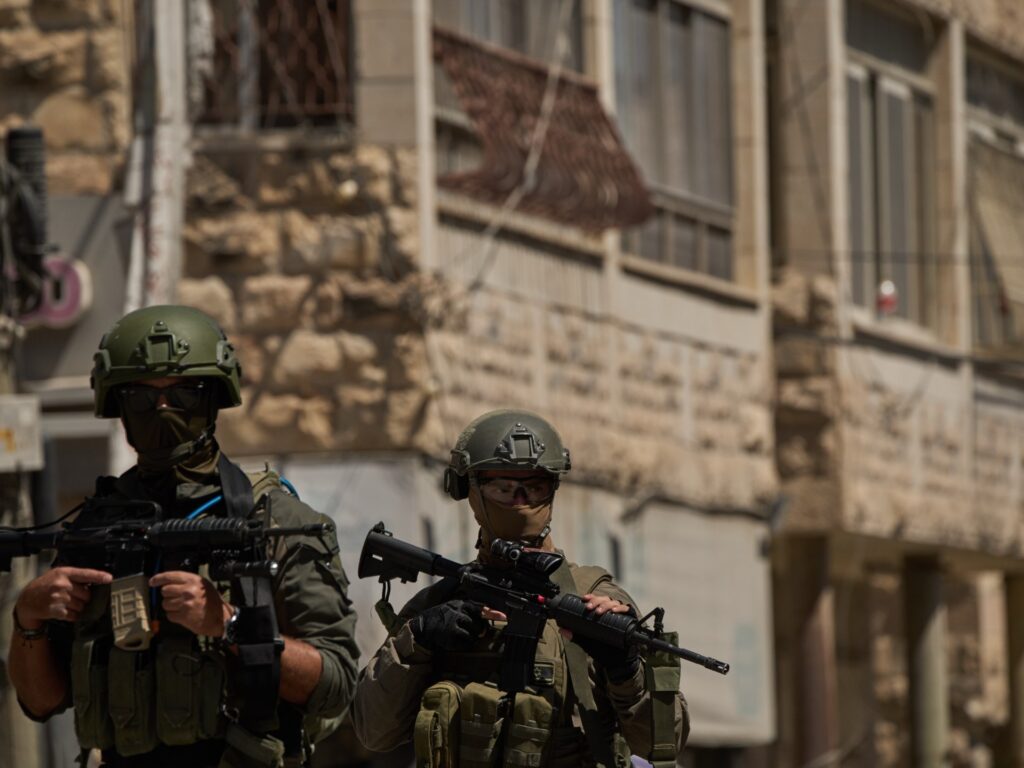
Fourth, B’Tselem points to an array of restrictive movement policies, including checkpoints and roadblocks that severely limit Palestinians’ free movement within the West Bank and restrict their access to work, education, and healthcare.
Lastly, the organization identifies a pattern of legal and administrative measures that target Palestinian leadership and institutions, weakening their authority and capability to maintain social and political cohesion.
B’Tselem’s report calls attention to the severe impacts of these strategies, describing them as a systematic effort not only to control but to erase Palestinian life and presence from the West Bank. The group’s findings have drawn international concern and criticism, highlighting serious human rights implications and raising urgent calls for action to safeguard Palestinian communities.
These revelations come amid ongoing tensions and conflict in the region, underscoring the complex political and humanitarian challenges faced by both Israelis and Palestinians. The situation remains a focal point for global diplomatic efforts aimed at achieving lasting peace and stability.
B’Tselem urges the international community to recognize the reality on the ground and to intervene with measures aimed at protecting Palestinian rights and preventing further erasure of their communities. The organization stresses the importance of addressing the policies and practices that contribute to the fragmentation and displacement within the West Bank.
As the situation evolves, the international legal and human rights frameworks will play a critical role in shaping responses. B’Tselem’s findings provide a sobering examination of the lengths to which Israeli policies are impacting Palestinian existence, calling for global awareness and a renewed commitment to human rights and justice in the region.