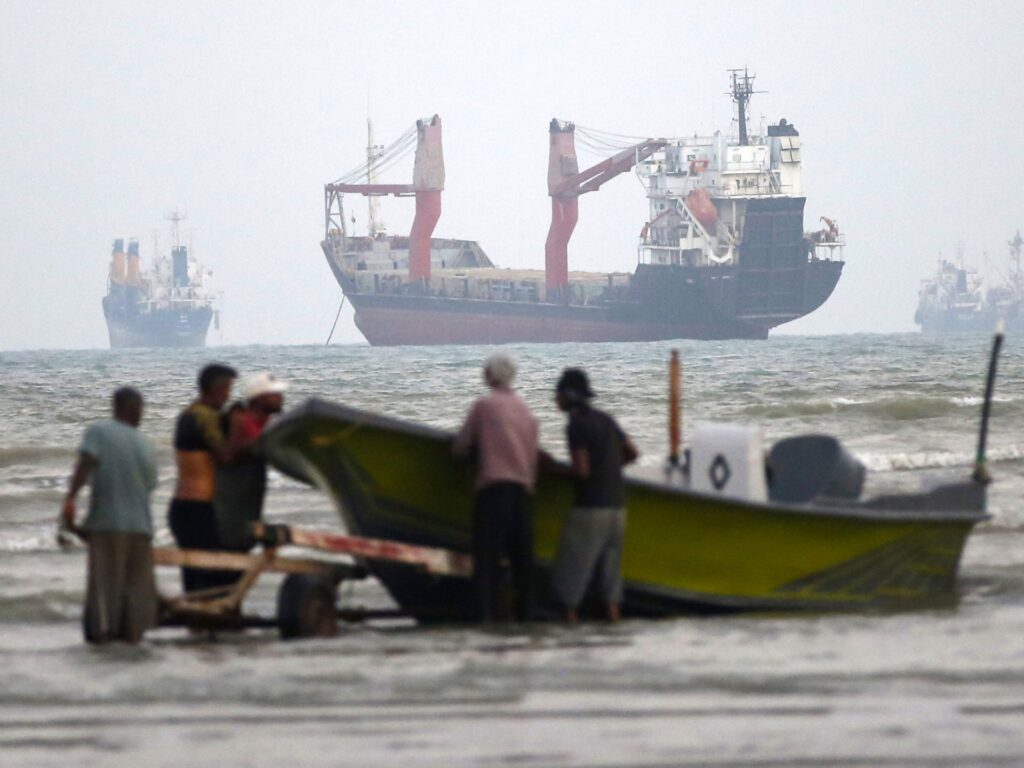
A proposed summit between Iran and Arab countries aimed at seeking a temporary solution for security and stability in the Strait of Hormuz has been postponed indefinitely. The summit, which was to serve as a platform for Iran to propose a regionally backed bill focusing on the crucial waterway, was deferred at the request of Saudi Arabia. Iran had hoped the meeting would provide a venue to discuss cooperation and regional security in the strategic Strait of Hormuz, through which a significant portion of the world’s oil supply passes. However, with Saudi Arabia asking for postponement, tensions between key regional players indicate unresolved conflicts and diverging interests remain strong. Tehran has stated that despite the setback, it will continue to pursue initiatives for a regionally backed framework that ensures safe passage and stability in the Strait. The failure to convene the summit highlights ongoing diplomatic challenges in the Middle East where regional rivalries between Iran and Saudi Arabia influence broader geopolitical dynamics. Experts note that maintaining peace and security in the Hormuz Strait is vital for global energy markets and any instability here could have widespread economic repercussions. The postponement underscores the delicate balance in Middle Eastern diplomacy and the complexities involved in reaching consensus among influential states with competing agendas. The future of the proposed solutions for Hormuz remains uncertain, with Tehran committed to negotiating but regional cooperation still elusive. As the situation develops, international observers remain vigilant about the potential impacts on maritime security and oil transportation through this strategic corridor. The deferment also reflects broader issues in Iran-Arab relations and the difficulties in fostering trust amidst longstanding rivalries and geopolitical tensions. Analysts suggest that a successful resolution will require sustained dialogue and compromise from all parties involved, amid an evolving regional landscape marked by shifting alliances and strategic interests. Meanwhile, global energy markets continue to monitor developments closely, aware that any disruption in Hormuz could trigger fluctuations in oil prices and broader economic effects worldwide.