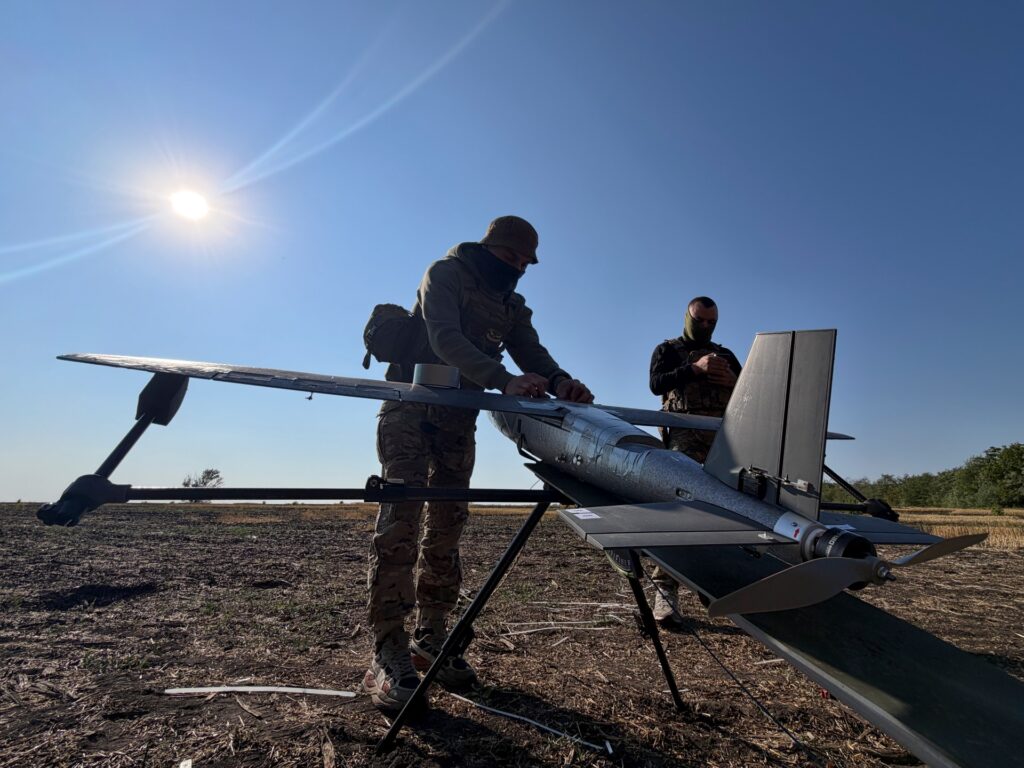
In the evolving landscape of modern conflict, Russia and Ukraine have intensified their race towards integrating artificial intelligence (AI) into warfare, signaling a new era where attacks could be carried out fully autonomously. Automated AI drones represent just one segment of a sophisticated and comprehensive chain of destruction both nations are rapidly developing.
As tensions continue, the strategic deployment of AI technology marks a significant escalation, transforming traditional battlefields into highly automated regions where decision-making and combat operations are increasingly delegated to machines. Both countries are investing heavily in AI capabilities to gain a tactical edge, with drones at the forefront due to their ability to conduct reconnaissance, target acquisition, and strikes with minimal human intervention.
This race is not merely about enhancing missile systems or cyber warfare but about creating a seamless operational ecosystem powered by AI, which can act independently in real-time scenarios. Russian and Ukrainian forces are reportedly working on systems that integrate AI for surveillance, threat analysis, and rapid response, which could dramatically increase the speed and lethality of military engagements.
The implications of autonomous AI warfare are profound. Military strategists warn that such technology can lower the threshold for engagement, making conflicts more frequent and less predictable. The automation of lethal decisions raises hard ethical questions about accountability, control, and the potential for unintended escalation.
International observers and defense analysts are closely monitoring this development, emphasizing the need for transparency, regulation, and potentially, treaties to govern the use of AI in military applications. Without agreed-upon norms, the rapid deployment of autonomous weaponry risks a destabilizing arms race with unpredictable consequences.
Moreover, the use of AI-driven systems in the Ukraine conflict serves as a testing ground for future global conflicts, with both sides gaining invaluable data on their AI warfare systems under real combat conditions. This operational experience is accelerating improvements and refinements, which could be replicated or adapted by other nations seeking to modernize their military forces.
As the warfare landscape transforms, the international community faces urgent questions about how to balance national security interests with the ethical use of AI. The trajectory towards fully autonomous attacks heralds not only a technological revolution but a critical moment for global governance and conflict prevention.
Overall, the race between Russia and Ukraine to develop and deploy AI-integrated military systems underscores the transformative impact of artificial intelligence in modern warfare and the urgent need for international dialogue on the risks and safeguards related to autonomous weapon systems.