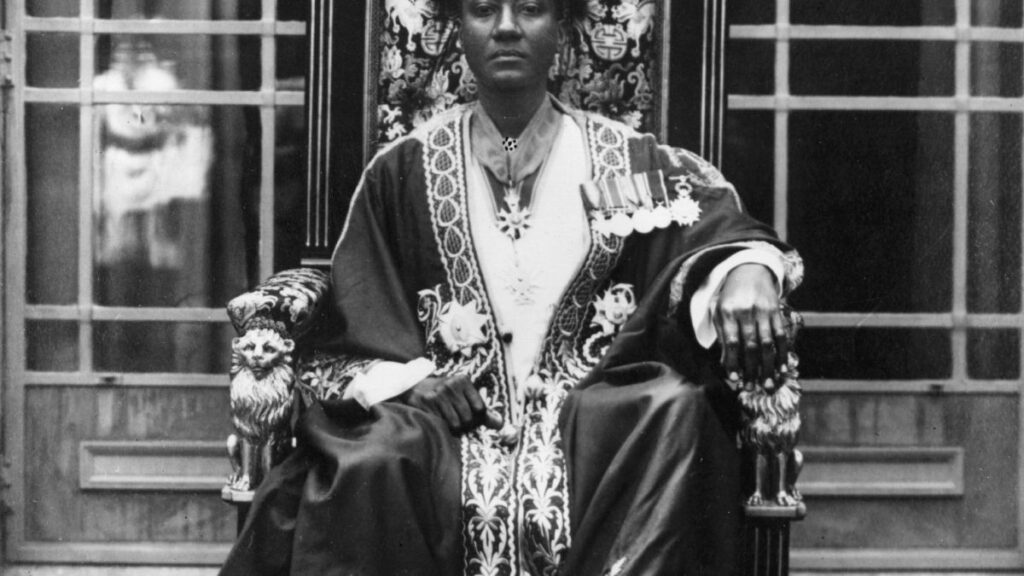
Nestled within the heart of Uganda lies Buganda, a kingdom that defies the conventional notions of governance with its enduring traditions thriving alongside a modern republic. As Uganda’s largest and most influential cultural kingdom, Buganda’s unique blend of traditional authority and national political dynamics offers a compelling glimpse into the resilience and adaptation of indigenous institutions.
The Kingdom of Buganda dates back centuries, long before the arrival of colonial powers. Historically, it has been a center of culture, politics, and economics in the region, ruled by the Kabaka, a king whose role transcends mere political leadership to encompass spiritual and cultural custodianship.
During the colonial era, Buganda held a special status due to its strategic importance and the British policy of indirect rule, which allowed the kingdom to maintain a degree of autonomy and preserve its customs and governance structures. This relationship forged a complex balance of power that facilitated Buganda’s sustained influence.
Post-independence Uganda witnessed significant political upheaval, impacting all parts of society, including Buganda. The kingdom experienced periods of suppression, notably when the central government abolished traditional kingdoms in 1967. Despite this, Buganda’s cultural identity and institutions went underground, surviving through the commitment of its people.
In 1993, traditional kingdoms were restored, reaffirming Buganda’s position within Uganda’s national framework. Today, while the kingdom has no formal political power, it wields substantial cultural and social influence. The Kabaka serves as a unifying figure for the Baganda people, symbolizing their shared heritage and identity.
The kingdom’s institutions, including the Lukiiko (council), play advisory and cultural roles, organizing community activities, festivals, and social programs that strengthen the fabric of Buganda society. This institutional continuity preserves Buganda’s traditions and offers a sense of continuity and belonging to its citizens.
Economically, Buganda remains significant, with its territories encompassing Kampala, Uganda’s capital and largest city. The kingdom’s leadership engages in development initiatives and collaborates with government and international partners to improve the welfare of its people.
The dual existence of Buganda as a traditional kingdom within a modern republic highlights the dynamic interplay between history and contemporary governance. It exemplifies how indigenous institutions can adapt and thrive, maintaining relevance despite shifting political landscapes.
Buganda’s resilience is rooted in its ability to uphold cultural identity, promote social cohesion, and participate in national life while maintaining its unique heritage. The kingdom’s story is one of survival, adaptation, and the ongoing negotiation of tradition and modernity, offering valuable insights into the complexities of post-colonial African statehood.