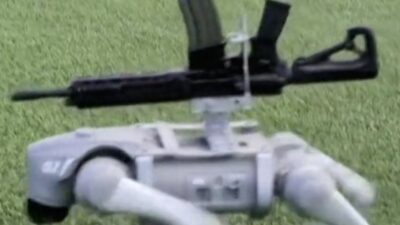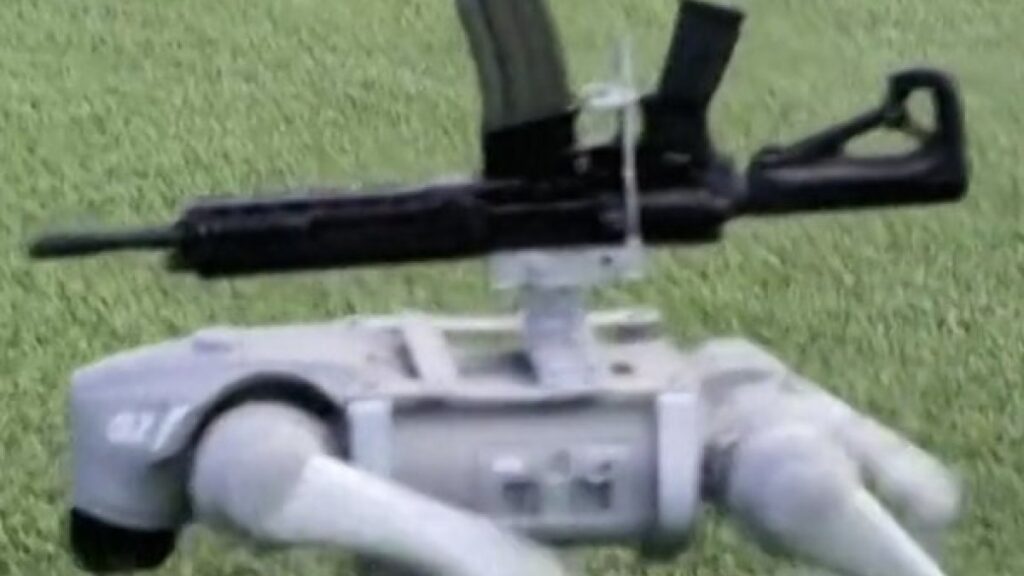
In a groundbreaking move, El Salvador has deployed armed robotic units in Haiti as part of its ongoing efforts to combat gang violence. President Nayib Bukele of El Salvador released a video showcasing these advanced armed robots in action during a recent operation targeting notorious gangs in Haiti. This innovative approach signifies a new frontier in law enforcement technology and international cooperation in security matters.
The deployment of robots equipped with weapons is unprecedented and has attracted significant attention worldwide. Bukele, known for his tough stance on gangs in El Salvador, has extended his security strategy beyond national borders by assisting Haiti, a country grappling with severe gang-related violence and instability.
In the video released by President Bukele, the armed robots are seen patrolling areas and engaging in operations designed to dismantle gang networks. These robots are remotely controlled and armed, intended to enhance the safety and effectiveness of law enforcement personnel by mitigating their exposure to dangerous confrontations.
Haiti has been facing escalating gang violence, which has contributed to widespread insecurity and social turmoil. The involvement of El Salvador’s specialized forces, supported by technological innovations like these armed robots, aims to bolster Haiti’s capacity to restore order and protect its citizens.
This initiative also represents a strategic form of international cooperation, where El Salvador is sharing its expertise and resources to assist a neighboring Caribbean country in crisis. While the use of armed robots in such operations has sparked debates around ethics, human rights, and sovereignty, it underscores the urgency of addressing gang violence through novel measures.
Analysts note that the utilization of robotic technology in law enforcement might transform how intelligence, discretion, and force are deployed in conflict zones. However, questions remain about the rules of engagement, control mechanisms, and accountability related to armed robotic systems.
The collaboration between El Salvador and Haiti is a testament to the growing importance of technological innovation in tackling complex security challenges, demonstrating a blend of human oversight and automated force. It remains to be seen how this approach will impact gang dynamics and the broader stability in Haiti.
President Bukele’s bold use of armed robots marks a significant evolution in the fight against organized crime, setting a precedent that other nations might observe or emulate. As the operation unfolds, global observers and human rights organizations will likely scrutinize the outcomes and implications of this high-tech intervention.
Overall, the deployment of armed robots by El Salvador in Haiti signifies a daring and unprecedented step in contemporary security strategy, reflecting both the desperation and innovation sparked by the persistent threat of gang violence in the region.