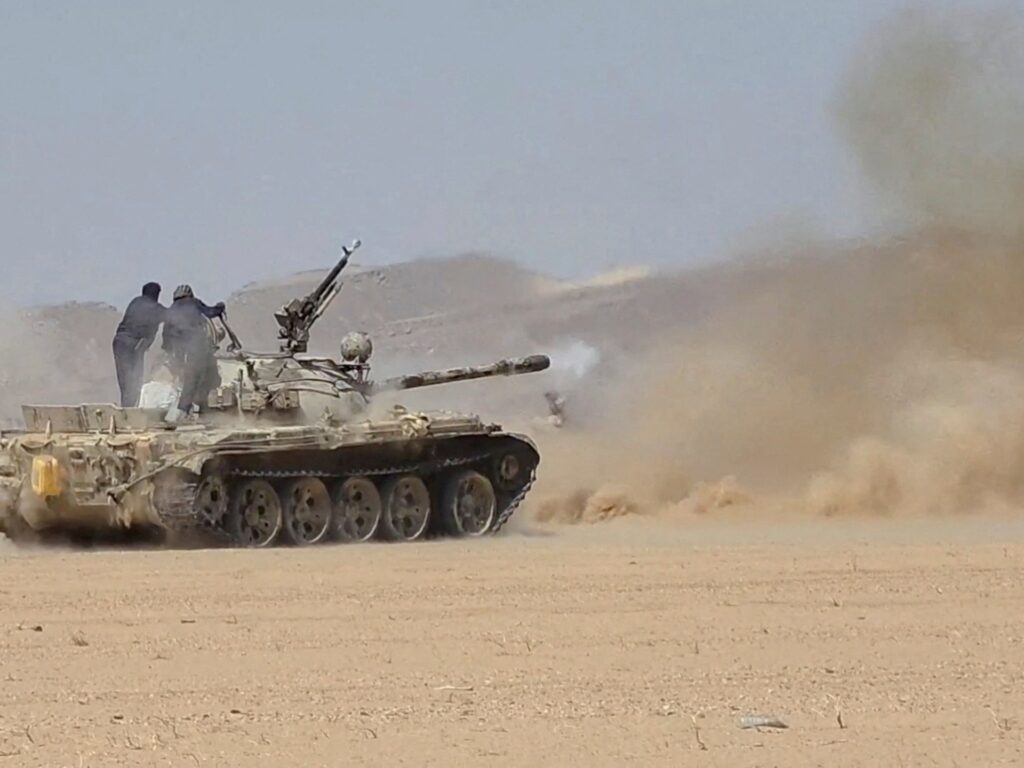
The conflict in Yemen between government forces and the Houthi rebels continues to intensify, marking a severe escalation in an already prolonged and devastating war. In the latest developments, Yemeni government troops, backed by the Saudi-led coalition, have launched a series of airstrikes aimed at halting the territorial advance of the Houthis. These efforts reflect the ongoing struggle for control over key regions within Yemen, a country grappling with one of the world’s worst humanitarian crises.
The Houthis, a rebel group originating from northern Yemen, have been engaged in a persistent campaign to oust the internationally recognized government. Their recent advances have prompted swift military responses, as government forces and their allies aim to regain lost ground.
Air attacks conducted by the Saudi coalition, which supports the Yemeni government, have targeted Houthi positions in strategic locations. These strikes are intended to weaken rebel capabilities and prevent further expansion.
The consequences of the conflict are dire. Thousands of Yemenis have been forcibly displaced from their homes, fleeing the violence and destruction that have engulfed many parts of the country. These mass displacements contribute to an already critical humanitarian situation, with millions facing food insecurity, lack of medical care, and inadequate shelter.
Humanitarian organizations warn that continued fighting undermines vital aid efforts and worsens civilian suffering. The disruption to essential services, combined with the destruction of infrastructure, hinders access to basic needs and prolongs the crisis.
Diplomatic efforts have so far struggled to produce a lasting ceasefire or peace agreement. The regional complexity, involving multiple international actors, complicates negotiations and the path to resolving the conflict.
Analysts note that the fighting is not only a struggle for territorial control but also involves broader regional power dynamics. The involvement of Saudi Arabia and Iran-backed Houthis signifies the proxy nature of the war, influencing its duration and intensity.
The Yemen conflict remains one of the most pressing global humanitarian and security challenges. With no immediate end in sight, there is an urgent need for renewed dialogue, strengthened diplomatic engagement, and comprehensive humanitarian assistance to alleviate the suffering of the affected populations.
As the situation develops, the international community continues to call for restraint and for all parties to prioritize the well-being of civilians. The hope remains that through concerted efforts, peace and stability can eventually be restored to Yemen, ending years of violence and displacement.