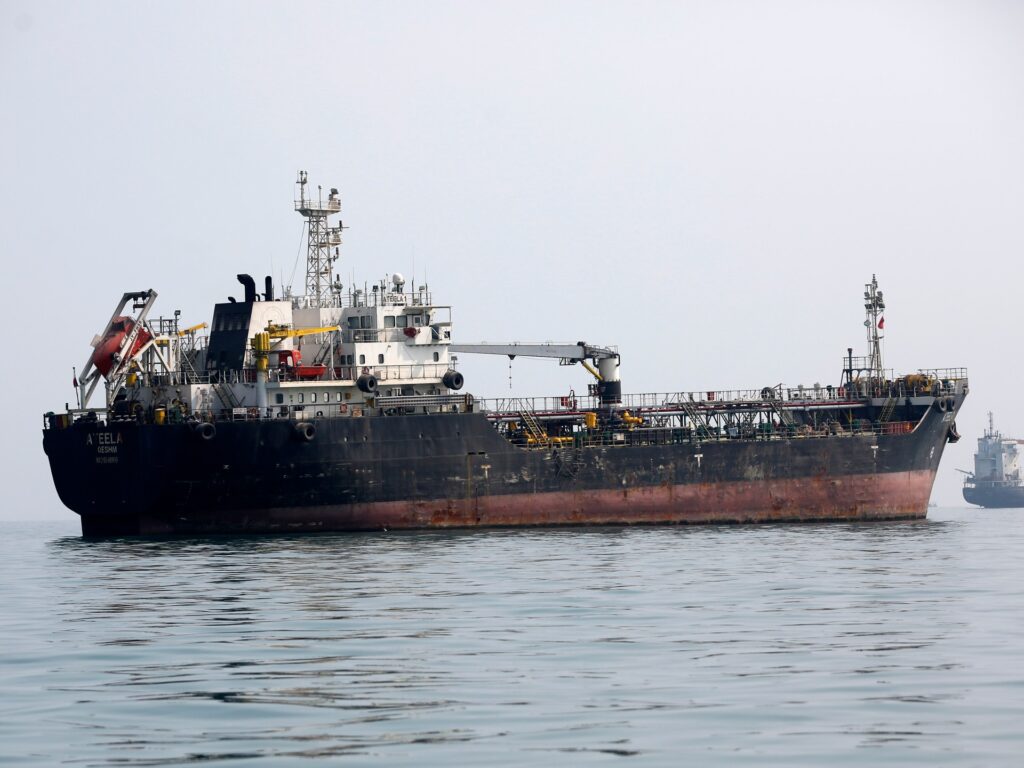
A commercial ship was attacked in the strategic Strait of Hormuz, resulting in the death of one crew member and injuries to four others. This latest assault on a cargo vessel adds to escalating tensions in the region, where control over key waterways has become a significant geopolitical issue.
The Strait of Hormuz is a critical passageway for global oil shipments, and its security has long been a point of contention among regional powers, especially Iran and Gulf Cooperation Council (GCC) states. The recent attack underscores the fragility of maritime security in this area and the potential for rapid escalation.
Iranian leaders are reportedly planning meetings with Gulf officials to discuss the management and control of the Hormuz waterway. These discussions are viewed as crucial attempts to de-escalate tensions and ensure safe navigation for commercial vessels traversing this critical chokepoint.
The attack has raised international concerns about the safety of shipping routes that are vital to the global economy. Authorities have called for increased vigilance and cooperation among nations to prevent further incidents and protect maritime commerce.
Following the attack, emergency response teams were dispatched to tend to the wounded, and the affected vessel was secured. Investigations are underway to determine the identity of the attackers and the exact circumstances surrounding the incident.
Global markets have reacted nervously to the news, with oil prices experiencing volatility amid fears of supply disruptions. Analysts warn that continued instability in the Strait of Hormuz could have far-reaching economic consequences, given the volume of oil transported through the area.
The international community has urged restraint from all parties and encouraged diplomatic engagement to resolve disputes peacefully. The upcoming meetings between Iranian and Gulf officials are seen as a critical opportunity to establish mechanisms that prevent future attacks and promote cooperative security arrangements.
This attack comes amid ongoing conflicts and rivalries in the Middle East, where regional powers compete for influence and control of strategic assets. The situation remains fluid, with the potential for further incidents that could escalate tensions and impact international relations.
Maritime security experts emphasize the importance of maintaining open lines of communication and joint monitoring efforts in the Strait of Hormuz. Enhanced surveillance and intelligence sharing could help detect threats early and mitigate risks to commercial shipping.
The affected commercial ship was engaged in transporting goods vital to international trade, highlighting the broader implications of such attacks on global supply chains. Disruptions in the Strait of Hormuz could lead to increased shipping costs and delays affecting industries worldwide.
The incident has drawn statements of condemnation from various countries and calls for an independent investigation to hold those responsible accountable. Nations with vested interests in the region have pledged support for safeguarding the safety of merchant vessels.
In conclusion, the attack on the commercial ship in the Strait of Hormuz marks a significant escalation in the challenges facing maritime security in a geopolitically sensitive area. The forthcoming talks between Iran and Gulf leaders represent a pivotal moment to foster dialogue and reduce tensions, aiming to secure safe passage for crucial maritime trade routes.