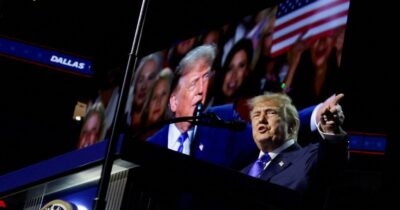
Former President Donald Trump is advocating for a significant change in how the 2030 United States census is conducted. His plan involves excluding undocumented immigrants and individuals who do not hold green cards from the official population count. The rationale behind this proposal is the belief that these groups should not be considered “true inhabitants” of the country for census purposes.
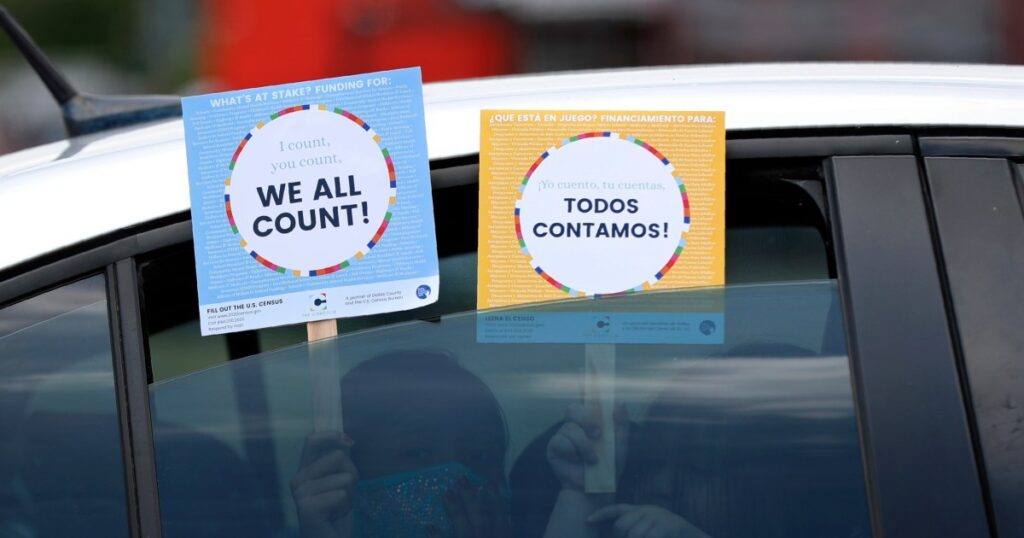
The U.S. census, conducted every ten years, is critical for determining political representation, federal funding allocation, and planning across various public services. Every resident, regardless of their immigration status, has historically been counted to ensure accurate demographic data.
Excluding undocumented immigrants and non-green-card holders from the census would reduce the counted population in areas with high immigrant populations. This action could lead to significant shifts in congressional representation, potentially affecting the balance of power at both state and national levels.
Moreover, many states and localities rely heavily on census data to allocate resources for education, healthcare, infrastructure, and social services. Excluding these groups could lead to reduced funding and support, disproportionately impacting communities with large numbers of undocumented residents.
Critics argue that Trump’s proposal undermines the principle of fair representation and could exacerbate inequalities by silencing the voices of vulnerable communities. They contend that the census is intended to count everyone living in the U.S., not just citizens or legal residents.
Supporters of the plan claim it is a measure to ensure that political representation and resource distribution reflect only lawful residents. They argue this aligns with immigration enforcement priorities and protects American taxpayers.
The controversy surrounding this proposal highlights the ongoing debate about immigration, citizenship, and representation in the United States. The outcome of this plan could reshape the political landscape and affect millions of residents across the country.
As discussions continue, legal challenges and public opinion will play crucial roles in determining whether this plan is implemented. Its implications for democracy, social equity, and governance make it a critical issue for the upcoming census cycle.