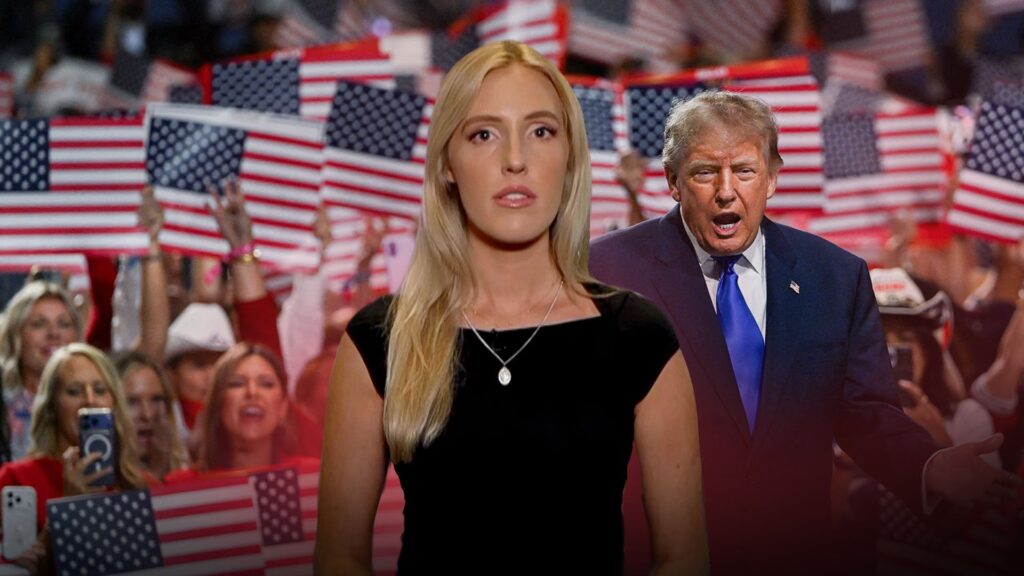
The political phenomenon surrounding former President Donald Trump continues to captivate analysts, politicians, and citizens alike, primarily due to the unwavering loyalty exhibited by a significant portion of his supporter base. A recurrent question emerges: Will Trump’s supporters ever disagree with him, or is their allegiance so deeply entrenched that dissent is unlikely?
Trump’s rise in American politics has been marked by a unique blend of charismatic leadership, controversial rhetoric, and a fierce appeal to a particular segment of the electorate. This coalition is often characterized by a willingness to overlook or rationalize his missteps, legal challenges, and contentious decisions. The loyalty of this base poses a fascinating challenge for both political observers and opponents.
One reason for the steadfastness of Trump’s supporters is the cult of personality that surrounds him. Trump has cultivated an image of a maverick outsider who challenges the establishment, which resonates strongly with voters who feel disenfranchised by traditional politics. This effect is magnified by the use of social media platforms where Trump communicates directly to his audience, bypassing conventional media filters.
Moreover, the questions of identity, cultural values, and ideological alignment play significant roles. Many supporters see Trump as a symbol of their worldview—one that prioritizes nationalism, economic protectionism, and conservative social policies. Disagreeing with Trump often feels to them like betraying their own identity and community.
However, despite this overwhelming loyalty, there have been instances of dissent within the Trump base. Some supporters have publicly disagreed with particular policies or statements made by Trump, highlighting that support is not wholly unconditional. Yet, these cases tend to be exceptions rather than the rule, with many choosing to express their disagreements privately or selectively.
Political experts suggest several potential factors that might lead to more widespread disagreement in the future. Significant policy failures, sustained legal troubles, or credible shifts in public opinion could erode the current loyalty. Additionally, generational changes or the emergence of new political leaders might influence supporters to reconsider their allegiance.
The media landscape also plays a crucial role in shaping perceptions. Pro-Trump media outlets often reinforce favorable narratives, while critical voices may be dismissed by believers as part of a biased opposition. This echo chamber effect intensifies loyalty and diminishes the scope for public dissent.
Interestingly, the nature of Trump’s leadership style—direct, confrontational, and often divisive—both solidifies loyalty among true believers and alienates others. This polarization contributes to a dynamic where compromise and disagreement within his base are less common than in more traditional political groups.
Some analysts argue that loyalty to Trump transcends normal political boundaries, evolving into a form of political tribalism. This intense loyalty makes it difficult for even factual evidence or contradictory information to sway supporters’ views.
In conclusion, while it is not impossible for Trump’s supporters to disagree with him, current social, cultural, and political dynamics suggest that such dissent will remain relatively rare and muted. The Trump loyalty test exemplifies modern political polarization, where allegiance to a leader often intertwines deeply with personal identity and values, making disagreement a complex and fraught proposition.