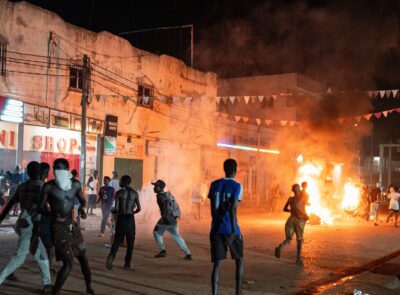
In recent days, calls have intensified for a thorough investigation into incidents involving U.S. Immigration and Customs Enforcement (ICE) officers allegedly attacking protesters. The protests, which were initially peaceful, escalated after ICE agents reportedly used force against demonstrators, prompting widespread outrage and demands for accountability.
Witnesses and activists claim that ICE officers engaged in aggressive tactics, including physical violence and the use of crowd control weapons, to disperse protesters advocating for immigrant rights and justice. Several individuals suffered injuries during the confrontations, leading to medical treatment and further protests.
Human rights organizations and civil liberties advocates have been particularly vocal, condemning the actions of ICE and urging federal authorities to open an independent investigation into the events. They emphasize the need for transparency and justice, highlighting concerns about the militarization of immigration enforcement agencies and their impact on civil rights.
Community leaders, local officials, and members of Congress have joined the chorus, calling for accountability and policy reviews to prevent future incidents. Some lawmakers have proposed legislative measures to curtail the use of force by ICE agents and to enhance oversight mechanisms.
ICE, for its part, has issued statements defending its actions, asserting that officers acted within the scope of their duties and in response to perceived threats. However, the agency has also pledged to review the incidents internally.
The protests themselves stem from broader frustrations about immigration policies, detainee treatment, and systemic issues within immigration enforcement. Advocates argue that these confrontations highlight deeper societal challenges and the urgent need for comprehensive immigration reform.
As calls for investigation grow louder, the episode serves as a catalyst for renewed discussions on the role of ICE, law enforcement conduct during protests, and the protection of civil liberties in democratic societies. The outcome of any investigation could have significant implications for immigration enforcement policies and public trust in government agencies.
This situation draws attention to the delicate balance between maintaining law and order and respecting the right to peaceful protest, especially in contexts involving vulnerable communities and contentious political issues. The ongoing debate underscores the importance of dialogue, accountability, and reform in addressing these complex challenges.