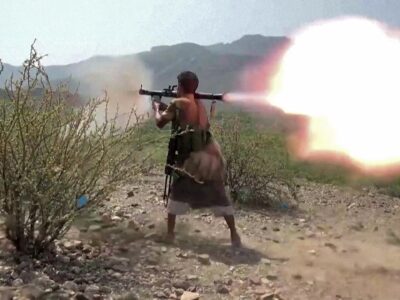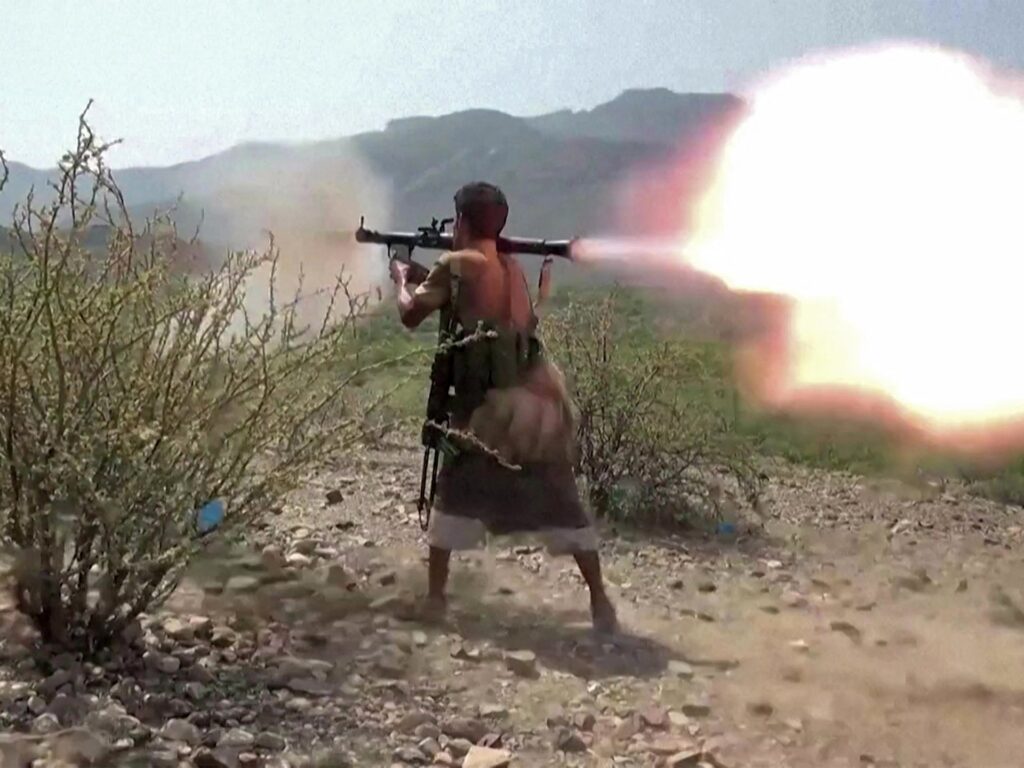
The Yemen war, a devastating conflict that has been ongoing for years, has recently escalated, drawing renewed international concern and spotlighting the key actors involved. The conflict primarily stems from political and sectarian divisions, as well as regional power struggles, making the dynamics complex and multifaceted. Here is a detailed look at the main actors currently involved in the Yemen conflict:
1. Houthi Rebels (Ansar Allah):
The Houthi movement, officially known as Ansar Allah, is a Zaidi Shia-led rebel group that originated in northern Yemen. Since 2014, they have controlled significant parts of Yemen including the capital, Sanaa. They oppose the internationally recognized Yemeni government and are accused of receiving military and logistical support from Iran. The Houthis aim to reshape Yemen’s political system and have been involved in repeated confrontations with various Yemeni factions and the Saudi-led coalition.
2. Yemeni Government:
Led by President Abdrabbuh Mansur Hadi until his resignation in 2022, the Yemeni government represents the internationally recognized authority. It is backed politically and militarily by a Saudi-led coalition. Despite territorial losses, the government continues to assert its legitimacy and control mainly in the southern and eastern parts of Yemen.
3. Saudi-led Coalition:
This coalition includes Saudi Arabia, the United Arab Emirates, and other Arab states. It launched a military intervention in Yemen in 2015 to restore President Hadi’s government after the Houthi takeover. The coalition has conducted airstrikes, ground operations, and blockades but has been criticized for civilian casualties and worsening the humanitarian crisis.
4. Southern Transitional Council (STC):
The STC is a secessionist group primarily supported by the UAE, advocating for the independence of South Yemen. It controls parts of southern Yemen including Aden. The STC has clashed with the Yemeni government forces despite occasional cooperation against the Houthis, complicating the conflict further.
5. Al-Qaeda in the Arabian Peninsula (AQAP):
AQAP remains a dangerous jihadist group operating in Yemen, exploiting the chaos of war to expand its influence. The group has engaged in attacks against both the Houthi forces and the Saudi-led coalition, seeking to establish a stronghold in parts of Yemen.
6. Islamic State (IS) Affiliates:
Less prominent but still present are IS affiliates that conduct terrorist attacks in Yemen. They often target both government forces and Islamist rivals, adding another layer of complexity and violence to the conflict.
7. Regional and International Stakeholders:
Apart from the direct parties, the Yemen war is influenced by broader regional powers. Iran is accused of backing the Houthis to increase its influence in the Arabian Peninsula, while the Saudi-led coalition represents the interests of Gulf Arab monarchies aiming to counter Iran’s role. International actors including the United States, the United Kingdom, and the United Nations are involved diplomatically and militarily, often attempting to mediate and provide humanitarian aid.
The Yemen conflict remains one of the world’s most severe humanitarian crises, with millions displaced and in need of aid. The involvement of multiple actors with differing agendas has perpetuated the fighting, making peace efforts exceedingly challenging. Understanding the key players is essential to grasp the ongoing situation and the prospects for future resolution.