In a significant demonstration of its stance on the Israeli-Palestinian conflict, the United Kingdom government has announced a ban on imports from Israeli settlements. This marks a firm policy shift, coming after the UK formally recognized a Palestinian state last year. The move signals the UK’s commitment to aligning its trade practices with international law and human rights considerations.
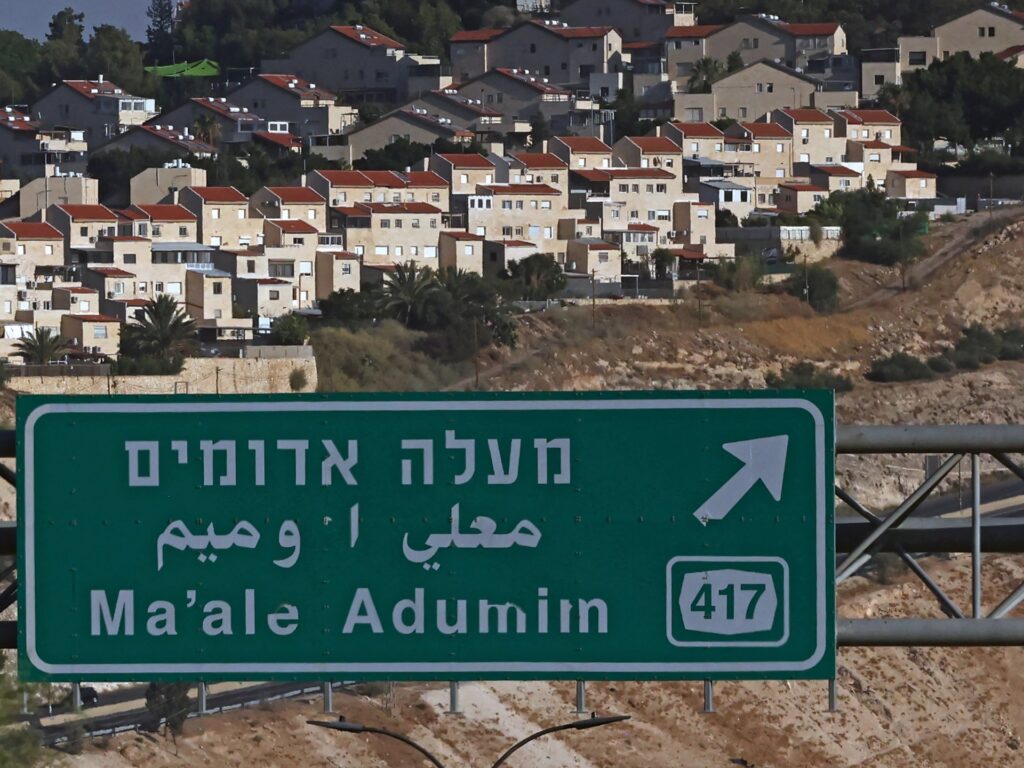
Israeli settlements are communities established in territory occupied by Israel since the 1967 Six-Day War. These settlements, which are considered illegal under international law by much of the global community, including the United Nations, have long been a contentious issue in the peace process between Israelis and Palestinians.
The UK government’s ban specifically targets goods and services originating in these settlements, aiming to prevent their products from entering the UK market. Officials emphasized that this step was “overdue,” representing the first concrete action following their political recognition of Palestine.
British trade regulations will now require increased scrutiny of imports to ensure that products from these settlements are excluded. The government underscored the moral and legal imperatives behind the decision, highlighting the desire to avoid indirectly supporting enterprises deemed illegal under international norms.
This policy move has drawn praise from Palestinian leaders and human rights advocates, who view it as an important development in holding Israel accountable for settlement expansion. Conversely, it has garnered criticism from Israeli officials and some allied nations, who argue that the ban could exacerbate tensions and hinder peace negotiations.
Observers note that the UK’s action may set a precedent for other countries to follow suit in imposing trade restrictions on goods from occupied territories. It also reflects the UK’s deeper engagement in the Middle East peace process through concrete measures beyond diplomatic recognition.
Domestic responses within the UK have noted the ban as a politically bold and morally driven initiative. The government has framed the policy as a step towards supporting a two-state solution, by discouraging settlement growth and promoting respect for Palestinian rights.
International law experts have supported the move, pointing out that under various United Nations resolutions, settlements are considered violations that undermine prospects for peace. The ban aligns with calls for the international community to take tangible action against settlement activities.
The UK’s decision arrives amid a complex and evolving geopolitical landscape in the Middle East. With ongoing conflicts and diplomatic efforts underway, the trade ban injects a new dimension to international engagement on the Israeli-Palestinian dispute.
The government intends to monitor the ban’s implementation closely, maintaining that it will continue to evaluate and enforce policies consistent with upholding human rights and international law standards.
In summary, the UK’s ban on imports from Israeli settlements is a landmark policy reflecting its commitment to international legal norms and human rights, taking a clear stance on a long-standing and deeply divisive issue in the Israeli-Palestinian conflict. This decisive action follows the UK’s recognition of a Palestinian state, signaling its support for Palestinian sovereignty and a peaceful resolution to the conflict.