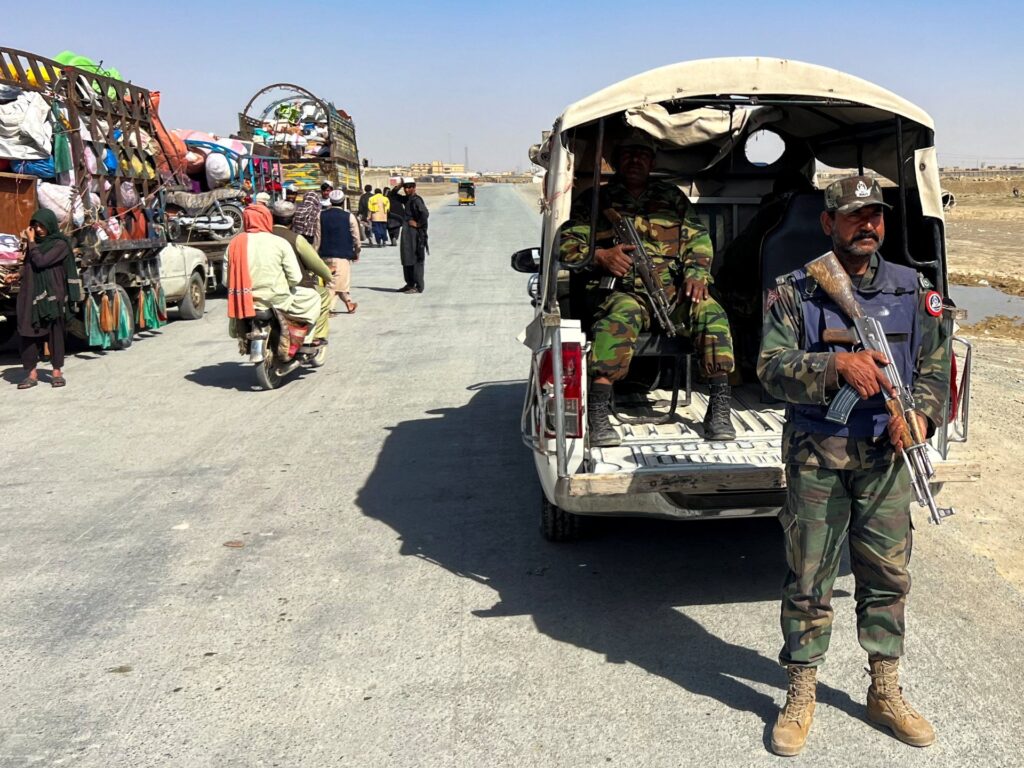
The Pakistan military has announced that it has killed 74 individuals it describes as ‘terrorists’ during a series of raids. These operations are part of ongoing efforts to curb militant activities along Pakistan’s border with Afghanistan. The military’s actions come at a time of heightened security concerns, with increased attacks reported in the border region, exacerbating tensions between the two neighboring countries.
According to official statements, the raids targeted militant hideouts and training camps, disrupting planned attacks and dismantling weapon caches. Pakistani authorities have emphasized their commitment to maintaining national security and countering extremist threats within their territory.
The border area has long been a hotspot for militant movement due to its rugged terrain and porous nature. Militants have exploited these conditions to cross between the two countries, launching attacks and evading security forces. The recent surge in violence has strained diplomatic relationships, with both Islamabad and Kabul accusing each other of harboring insurgents and not doing enough to prevent cross-border militancy.
The Pakistan military’s report highlights a broader regional security challenge that affects not only Pakistan and Afghanistan but also regional stability. The international community has often called for cooperative efforts between the two nations to address the root causes of militancy and improve border management mechanisms.
Local residents in the affected areas have expressed mixed reactions, with some supporting the military’s operations as necessary for peace and others concerned about the impact on civilian life and regional stability. Human rights organizations continue to monitor the situation, urging caution to avoid civilian casualties and ensure respect for human rights during security operations.
The government of Pakistan has pledged to continue its counter-terrorism operations while also seeking diplomatic avenues to reduce tensions with Afghanistan. Both nations face the shared challenge of addressing militancy and fostering a secure environment for their populations.
This development comes amid ongoing political and security dynamics in the region, where the instability of Afghanistan following recent changes in its governance has had significant repercussions. Pakistan’s military stance reflects an attempt to assert control over its borders and prevent the spillover of violence.
Analysts suggest that sustainable peace will require collaborative cross-border initiatives, intelligence sharing, and diplomatic engagement. Without such cooperation, the cycle of attacks and retaliatory actions could persist, threatening regional security and development.
In summary, the Pakistan military’s announcement of killing 74 terrorists during border raids underscores the complex security environment in the area. It also brings to the forefront the urgent need for both Pakistan and Afghanistan to work together to address militancy, support peace efforts, and stabilize their shared border region.