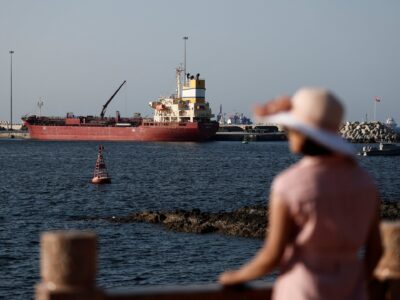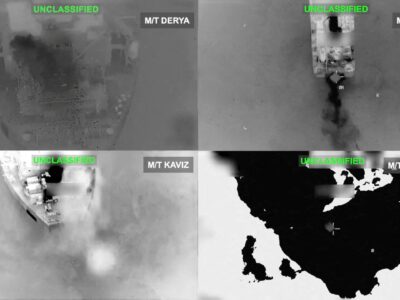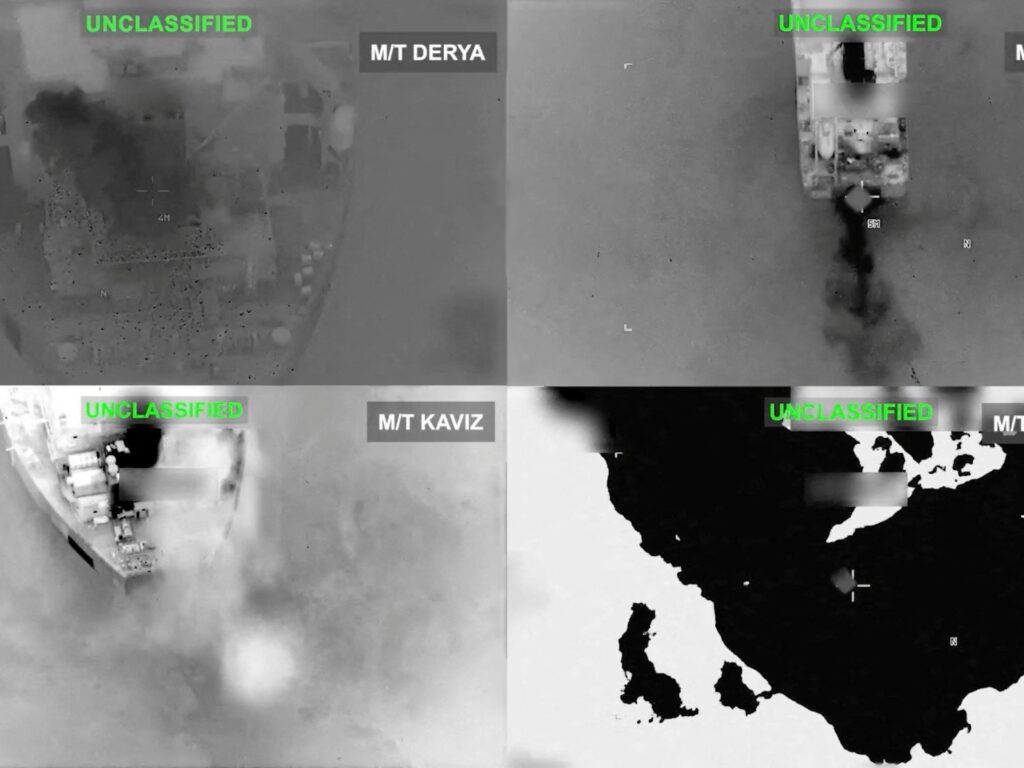
In a significant escalation of tensions in the Middle East, the US military has carried out strikes on five Iranian oil tankers. This action came in response to attacks by the Islamic Revolutionary Guard Corps (IRGC) on a US warship, which was targeted twice over the course of two days.
The US military’s decision to strike the Iranian oil tankers marks a sharp response aimed at curbing Tehran’s aggressive operations and signaling a strong stance in the ongoing conflict. Officials stated that the tankers were involved in activities that threatened regional security and US interests.
In retaliation to the US strikes, Tehran has taken aggressive measures of its own, targeting a military base in Jordan and launching attacks on US warships in the region. These developments have raised international concerns over the potential for further escalation and instability in a region that is already fraught with complex geopolitical conflicts.
The IRGC’s initial attacks on the US warship were seen as provocative acts that warranted a robust response. The US military emphasized that its strikes were defensive and aimed at preventing further attacks against its personnel and allies.
The targeted oil tankers were reportedly carrying crude oil and were believed to be part of a wider network used by Iran to circumvent international sanctions. The US Department of Defense confirmed that all strikes were precise, designed to minimize collateral damage while sending a clear message to Iran.
Following the strikes, Tehran vowed to respond to what it described as an act of aggression. The subsequent targeting of the Jordan base—a strategic location for US operations in the Middle East—and attacks on US naval vessels highlight the rapid escalation and the risk of a prolonged confrontation.
Regional allies and international observers have called for restraint, urging both the US and Iran to engage in diplomatic dialogue to prevent further violence. However, with each side reinforcing its military posture, prospects for immediate de-escalation remain uncertain.
The Biden administration has expressed its commitment to protecting US forces and interests abroad, while also indicating a willingness to return to diplomatic negotiations should Iran show a genuine commitment to de-escalation.
As the situation remains fluid, security analysts warn of the wider implications this conflict could have on global oil markets, given Iran’s pivotal role in energy exports and the strategic importance of the Gulf region.
This series of events underscores the fragile nature of peace in the Middle East and the complex interplay of military actions and diplomacy. The international community continues to watch closely as both the US and Iran navigate this perilous phase in their relationship, with hopes that dialogue might restore calm before further hostilities break out.