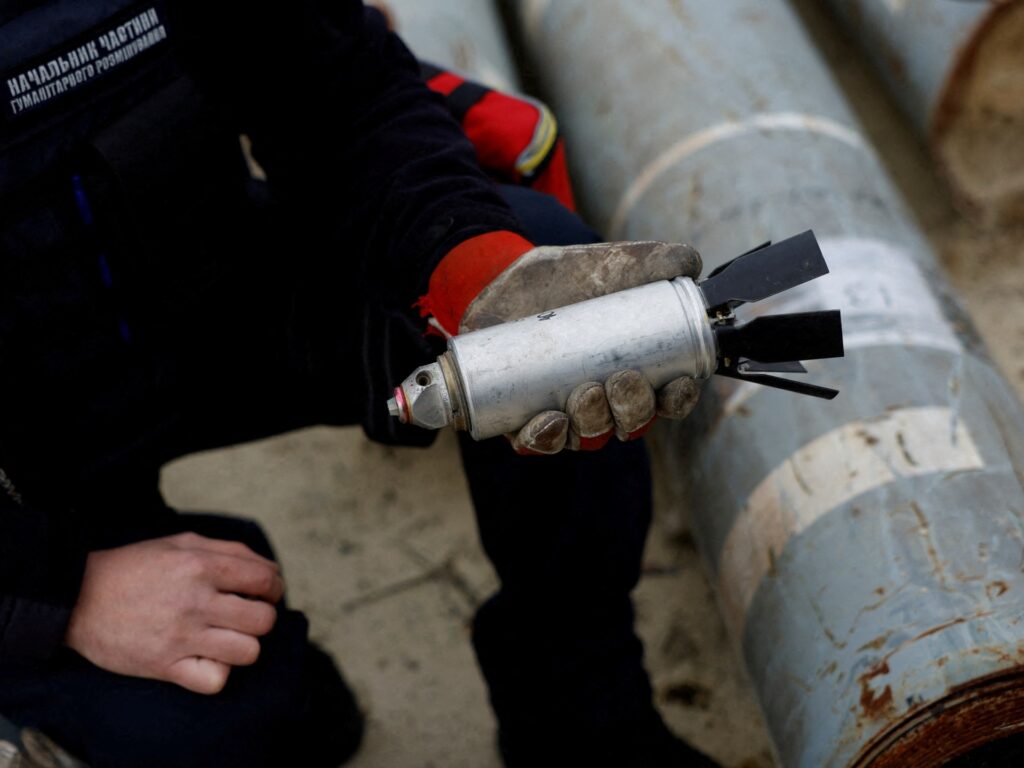
In 2025, cluster munitions have resulted in over 1,000 casualties worldwide, according to a recent report highlighting one of the highest annual tolls ever recorded. The devastating weapons, known for their wide-area effects, have caused 1,063 deaths and injuries, underscoring the continuing lethal impact they have in conflict zones.
Cluster munitions are a type of explosive weapon that disperse smaller bomblets over a wide area, often leaving behind unexploded ordnance that poses long-term risks to civilian populations. Despite international efforts to ban and restrict their use, numerous countries and non-state actors continue to deploy them, leading to severe humanitarian consequences.
The report details the widespread geographic impact of cluster munitions, affecting regions with ongoing conflict and post-conflict recovery. Civilians, particularly children, remain most vulnerable as unexploded remnants of these weapons continue to cause casualties months and even years after hostilities have ended.
International human rights organizations have condemned the continued use of cluster munitions and called for stronger enforcement of the Convention on Cluster Munitions (CCM), which prohibits the use, production, transfer, and stockpiling of these weapons. Currently, over 100 countries have joined the treaty, but key military powers have yet to ratify it, complicating global disarmament efforts.
The report also highlights the need for increased clearance operations and victim assistance programs to address the aftermath of cluster munitions. Clearing contaminated areas remains a hazardous and costly endeavor but is essential to restore safety and enable displaced populations to return home.
Experts emphasize that the high number of casualties in 2025 signals a dire reminder of the ongoing consequences of cluster munitions and the urgent requirement for international cooperation to eliminate these weapons worldwide.
As the global community grapples with various security challenges, this report serves as a stark call to prioritize humanitarian concerns and reinforce commitments to arms control and disarmament initiatives. Continued advocacy, awareness, and political will are necessary to prevent further tragedies caused by cluster munitions and to protect vulnerable civilians from harm.
The 2025 casualty toll demonstrates that despite past progress, there is still much work to be done to achieve a safer world free from the scourge of cluster munitions.
In summary, the 1,063 casualties caused by cluster munitions this year represent a pressing humanitarian crisis and highlight the urgent need for enhanced international action to ban and eliminate these deadly weapons.