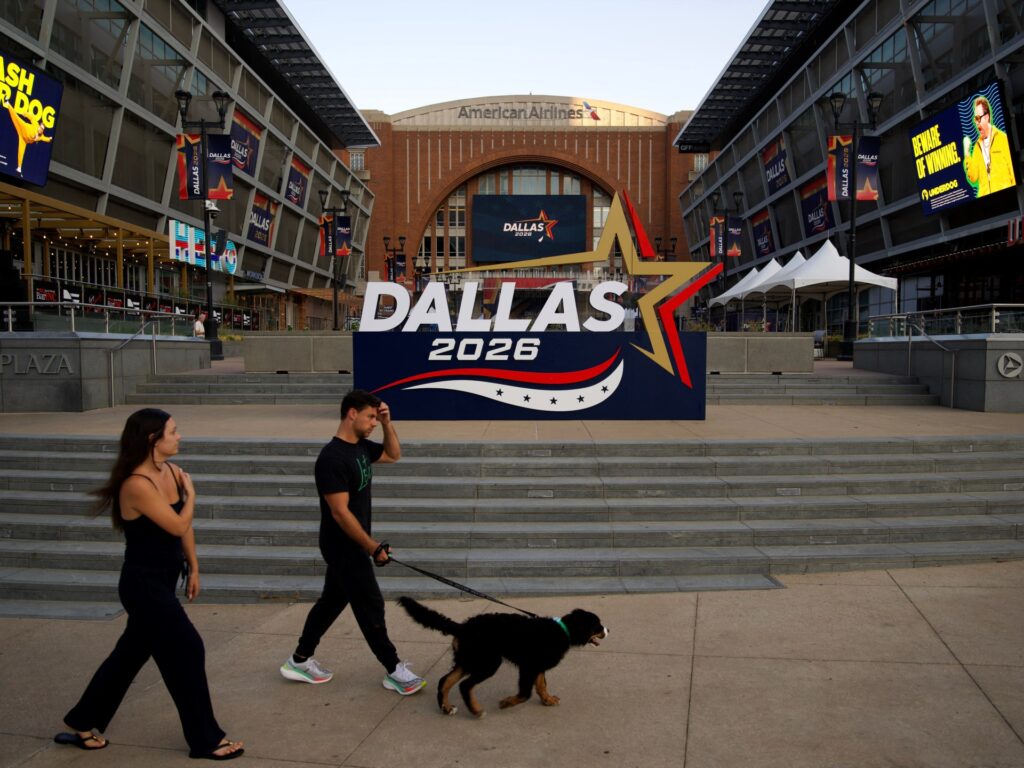
In the lead-up to the November midterm elections, the spotlight has turned towards Texas, a state historically considered a Republican stronghold. This year, the state’s significance is further underscored by the unconventional and attention-grabbing spectacle of former President Donald Trump’s midterm convention, held in Texas.
The event, polarizing in its nature, has sparked a spectrum of reactions among voters across the political divide. Some see it as an ‘energiser,’ reinvigorating the Republican base and mobilizing crucial voter turnout. Supporters argue that Trump’s presence and message bring a needed boost to the party and spotlight conservative priorities that resonate deeply with their values.
Conversely, detractors describe the convention as a ‘circus,’ criticizing what they perceive as theatrics and divisive rhetoric overshadowing substantive political discourse. For these voters, the spectacle exemplifies the challenges facing the Republican Party, including internal divisions and controversies linked to Trump’s leadership style.
Texas’ role in the midterm elections cannot be overstated. The state has historically been a bastion for the GOP, but demographic shifts and changing political attitudes have introduced uncertainty. The midterms will test whether Trump’s brand can maintain its stronghold or whether opposition forces can capitalize on the evolving political landscape.
The convention’s timing and location were strategic. By choosing Texas, Trump aimed to solidify the party’s influence in a key battleground and energize grassroots efforts. The event drew national attention, spotlighting local races and policies on crime, immigration, and the economy—issues that remain pivotal to Texas voters.
Among undecided voters, opinions are mixed. Some express enthusiasm for the convention’s lively atmosphere and clear messaging, hoping it will translate into increased political engagement. Others remain wary, concerned that the focus on spectacle may detract from addressing pressing community needs and bipartisan cooperation.
Political analysts note that the convention serves as a microcosm of the broader national mood. It reflects both the intensified partisanship defining current US politics and the critical importance of key states like Texas, where electoral outcomes may hinge on nuanced voter sentiments.
As the midterms approach, all eyes will remain on Texas. The state’s voters are weighing the impact of Trump’s convention—whether it is a powerful energizer for the GOP or an unnecessary circus—and their verdict could shape the trajectory of American politics in the months and years to come.