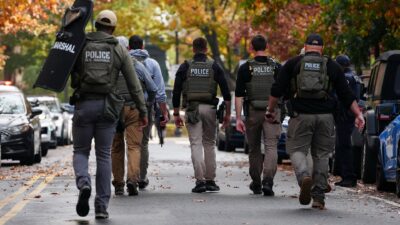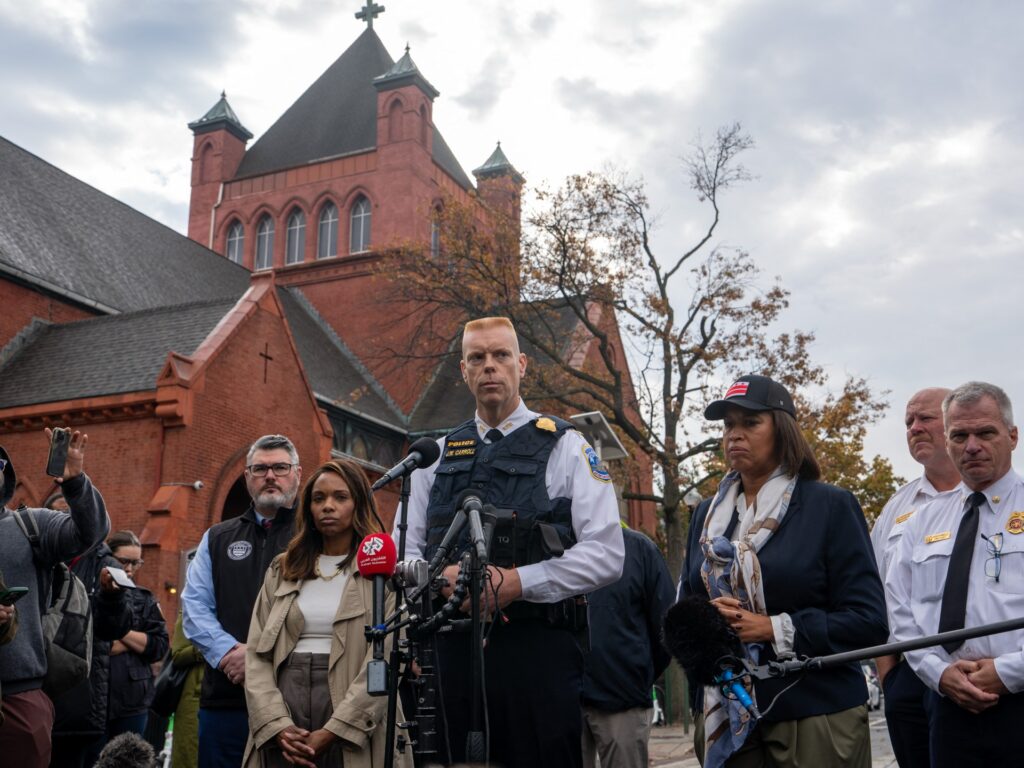
A recent shooting incident at Logan Circle in Washington, DC, has brought renewed attention to the city’s ongoing struggle with violent crime. The event underscores the challenges faced by law enforcement and city officials in addressing public safety.
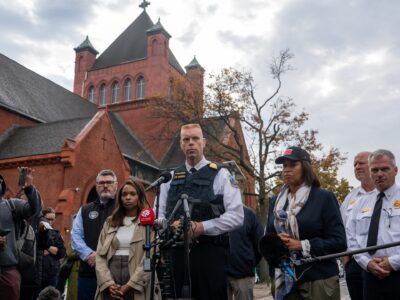
The shooting occurred in a lively part of the city known for its vibrant nightlife and community events, raising concerns among residents and visitors alike about safety in popular urban areas. Authorities responded swiftly to the incident, launching an investigation to identify the perpetrators and motives behind the violence.
Logan Circle has historically been a symbol of urban renewal and gentrification, but the shooting sheds light on the underlying issues that still affect the area, including poverty, gang activity, and drug-related violence. Local law enforcement agencies have increased patrols and community engagement efforts to prevent further incidents and to rebuild trust with residents.
Former President Donald Trump has used Washington, DC, as a platform to highlight his “tough on crime” stance. The Logan Circle shooting serves as a case study for debates on law enforcement policies and crime reduction strategies. Trump advocates for more aggressive policing and stricter legal measures to curb violence in American cities, positioning incidents like this shooting as evidence of the need for his approach.
Supporters argue that a strong law enforcement presence and harsher penalties can deter criminal activity and restore safety, while critics caution against policies that may lead to over-policing and civil rights concerns, especially in minority communities. The tension between these viewpoints continues to shape the discourse on crime and justice reform in Washington, DC, and across the country.
Community leaders in Logan Circle and beyond are calling for comprehensive solutions addressing root causes of violence, such as economic inequality, lack of educational opportunities, and mental health support. Efforts to engage youth, improve social services, and foster community resilience are seen as essential complements to policing.
As investigations into the Logan Circle shooting proceed, residents remain hopeful for justice and a safer future. The incident highlights the complex interplay between crime, policy, and community wellbeing in the nation’s capital, reflecting broader national challenges.
Understanding the context and responses to the Logan Circle shooting is crucial for stakeholders as Washington, DC, navigates the path toward reducing violence and promoting security for all its inhabitants.