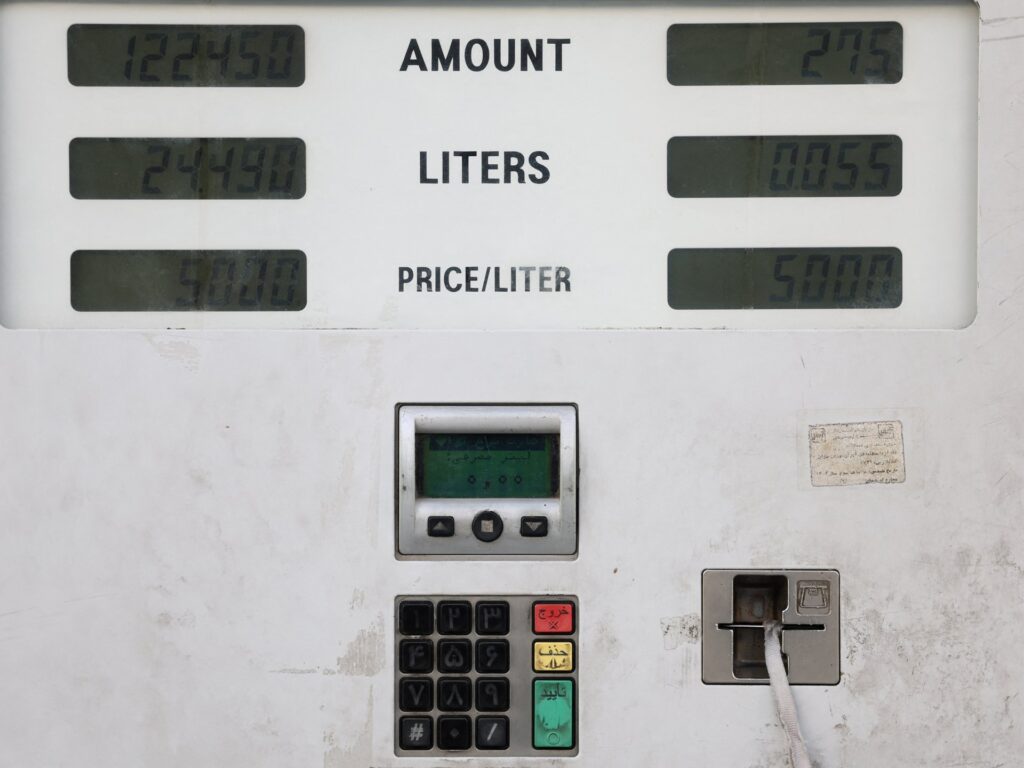
Iran is currently facing a significant increase in fuel prices, prompting the government to urge its citizens to reduce their fuel consumption. This latest measure aims to address the economic and environmental challenges posed by high fuel usage. The government’s new pricing strategy specifically targets individuals and households consuming more than 110 liters of fuel per month. Under this system, the cost for consumption above this threshold doubles, reaching 100,000 riyals per litre. This sharp rise is designed to discourage excessive fuel use and promote more sustainable consumption patterns.
The move is part of broader efforts to manage the country’s fuel resources more efficiently while also alleviating some of the fiscal pressures stemming from subsidies and overconsumption. Historically, Iran has subsidized fuel heavily, making it one of the cheapest in the world, which has often led to wasteful consumption. However, increasing fuel prices reflect both internal economic realities and external pressures, including sanctions and global energy market fluctuations.
Officials in Iran have communicated the urgency of the situation to the public, emphasizing the need for conservation to ensure availability for essential uses and to mitigate environmental harm. The government hopes that by setting a higher price point for large volume consumers, it will encourage more prudent fuel use, reduce smuggling activities, and ultimately contribute to energy security.
Economic analysts have noted that while the price hike is likely to be challenging for some citizens, especially those in low-income brackets or in remote areas dependent on fuel for transportation and heating, the pricing reform aims at long-term sustainability. To help ease the transition, there are discussions about targeted subsidies or financial assistance for vulnerable populations.
Furthermore, the government is promoting alternative energy solutions and public transport improvements to reduce reliance on fossil fuels. Investments in renewable energy projects and infrastructure are also being prioritized as part of Iran’s commitment to decreasing carbon emissions and combating climate change.
In summary, Iran’s rising fuel prices and the consequent call for reduced consumption reflect a strategic shift toward more sustainable energy use. While the immediate impact on consumers may be significant, the government views these measures as necessary steps to balance economic needs, environmental protection, and energy security in the country.