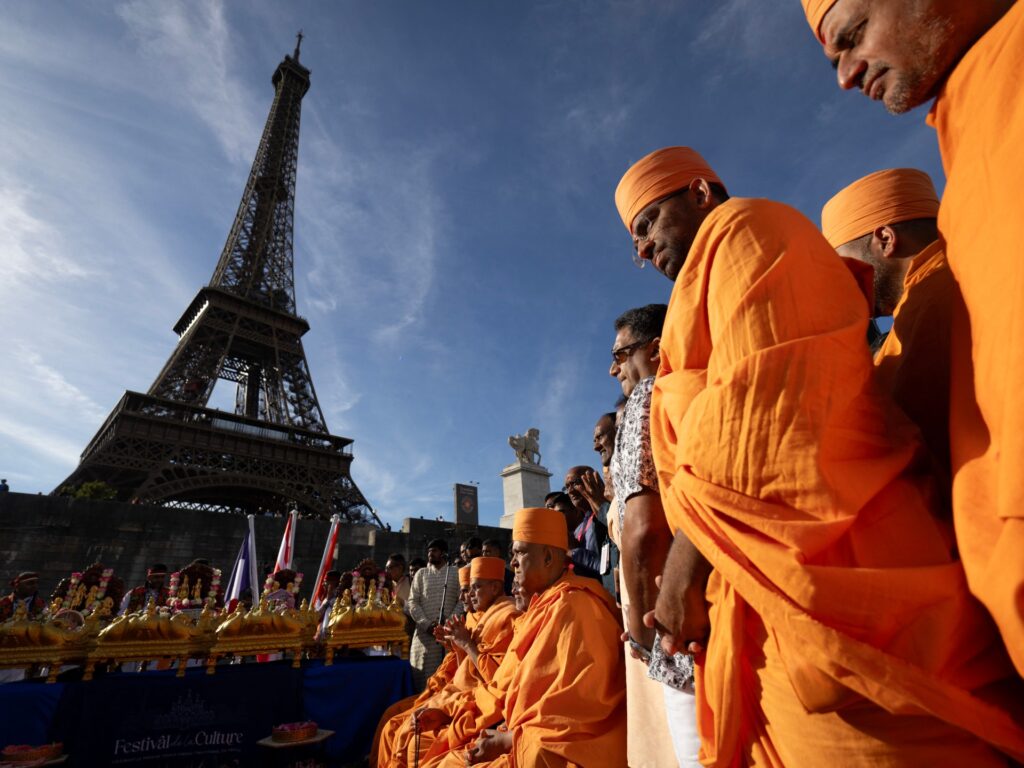
The Eiffel Tower, one of the world’s most iconic landmarks, has reopened its doors to the public following a brief closure sparked by protests linked to the presence of women staff. The incident highlights a complex intersection of cultural sensitivities, labor rights, and public service expectations.
The disruption began when a delegation from a Hindu religious group visited the Eiffel Tower and requested that their interactions with women staff be limited. This request led to friction with the management and employees, as it touched upon core issues of gender equality and workplace policies.
The Eiffel Tower management initially attempted to accommodate the delegation’s wishes, but this raised concerns among the staff and advocacy groups about discrimination and the undermining of women employees’ rights.
Subsequently, protests erupted with staff members demanding that the management uphold the principles of gender equality and refuse to comply with gender-based exclusions. The conflict escalated, leading to a temporary closure of the landmark to address the tensions and seek a resolution.
The protests highlighted the challenges faced by public institutions in balancing respect for cultural and religious beliefs with adherence to inclusive workplace standards. Many public figures and women’s rights organizations publicly supported the staff, emphasizing that no visitor’s preferences should infringe upon the equal treatment of employees.
After several days of dialogue between the Eiffel Tower’s administration, employee representatives, and the visiting delegation, an agreement was reached that respects both cultural sensitivities and the rights of staff members. The management reaffirmed its commitment to gender equality and clarified that all employees would continue their duties without segregation or exclusion.
The Eiffel Tower has since reopened, with operations returning to normal. Workers expressed relief and gratitude over the resolution, noting that maintaining an inclusive work environment is crucial for morale and public image.
This incident at the Eiffel Tower underscores the ongoing global conversation about gender rights, religious freedom, and workplace inclusion. It serves as a reminder that while cultural diversity should be respected, it must not come at the expense of fundamental human rights.
The authorities in Paris are expected to review their policies concerning visitor interactions and staff protections to prevent similar conflicts in the future. Meanwhile, the Eiffel Tower remains a symbol not just of architectural brilliance, but also of the social values of the society it serves.
As tourism rebounds post-pandemic, ensuring that all employees are respected and protected is essential for maintaining the landmark’s legacy and its welcoming atmosphere for millions of visitors from around the world.