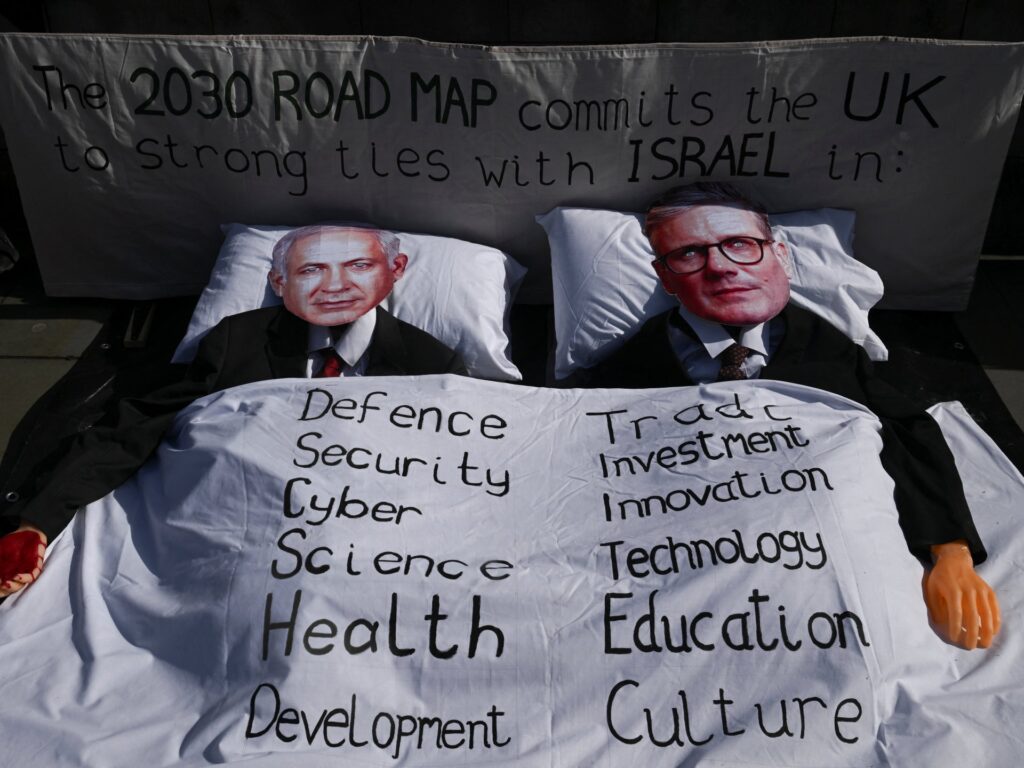
The relationship between the United Kingdom and Israel has entered a notably strained phase, reflecting a shift in political rhetoric and policy stance. This downturn has been precipitated by the UK’s decision to embark on new measures targeting illegal Israeli settlements in Palestinian territories, a move that has reignited tensions amid ongoing violence and suffering in the region.
For years, the UK maintained a complex but generally cooperative relationship with Israel, often balancing its strategic interests with its advocacy for peace and human rights. However, recent developments signal a departure from previous diplomatic approaches, coinciding with increased Israeli settlement activities which the UK and much of the international community deem illegal under international law.
The UK government has expressed deep concern over the continuous expansion of settlements, which are viewed as a significant obstacle to the peace process. In a growing wave of criticism, officials have described the settlements as illegitimate and counterproductive, emphasizing the UK’s commitment to upholding international norms and supporting Palestinian rights.
This shift is partly driven by the escalating violence endured by Palestinians, with reports of casualties and property damage drawing international condemnation. Human rights organizations and advocacy groups have repeatedly called for stronger actions to protect Palestinian civilians and hold perpetrators accountable.
The UK’s new steps include enhanced legal scrutiny of settlement-related activities, potential sanctions on entities involved in illegal settlement construction, and increased diplomatic pressure on Israel to halt these practices. This approach marks a more assertive stance than the traditionally cautious British diplomacy, which had often sought to maintain dialogue without alienating key partners.
The diplomatic friction has led to a cooling of bilateral relations. Israeli officials have criticized the UK’s actions as biased and harmful to cooperative ties, arguing that the focus on settlements overlooks broader security concerns facing Israel.
In contrast, Palestinian representatives have welcomed the UK’s tougher position, seeing it as a long-overdue affirmation of their rights and a meaningful step toward international accountability. The move emboldens calls for a renewed peace process founded on justice and equality.
Experts note that this realignment in the UK’s policy echoes wider international trends, as global attitudes shift amid continuing conflict and humanitarian crises in the region. It also reflects domestic pressures within the UK, where public opinion increasingly favors a balanced but firm stance on the Israeli-Palestinian conflict.
Despite the downturn, there remains potential for dialogue and reconciliation. Both sides acknowledge the importance of international partnerships in seeking a durable resolution. The UK has reiterated its readiness to work with all parties committed to peace, emphasizing diplomacy over confrontation.
As the situation evolves, observers will watch whether the UK’s firm approach affects the broader dynamics of the Israeli-Palestinian conflict, potentially influencing international efforts to halt settlement expansion and reduce violence.
In summary, the UK’s relationship with Israel has become visibly more contentious, driven by new measures against illegal settlements amidst rising Palestinian suffering. This shift reflects changing rhetoric and policy aimed at upholding international law and human rights, marking a significant chapter in the complex geopolitical landscape of the Middle East.