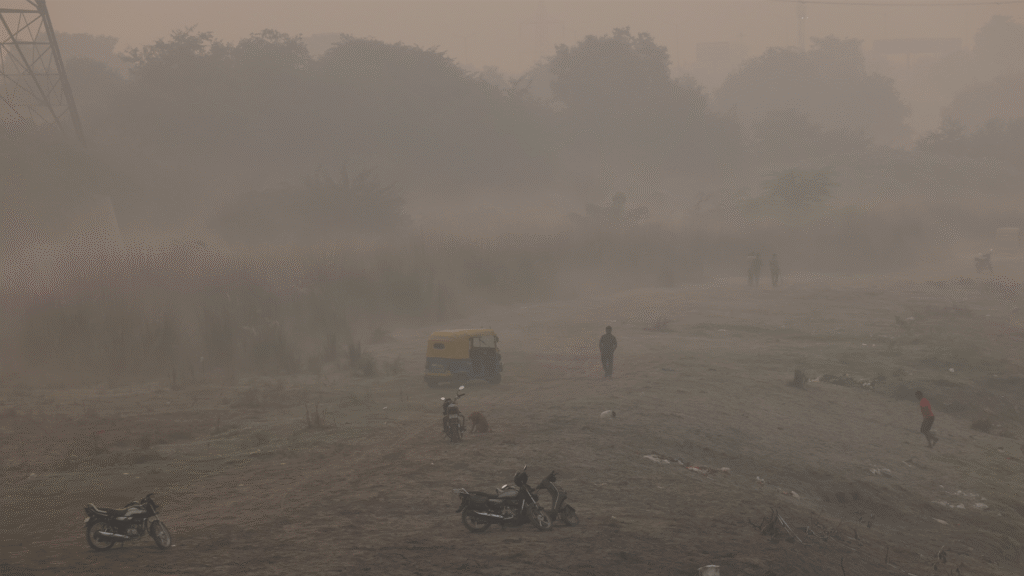
In a recent and concerning development, India’s capital New Delhi has surpassed Pakistan’s Lahore to become the world’s most polluted city. This change highlights the severe air quality challenges faced by these South Asian metros, which contend with rapid urbanization, vehicular emissions, industrial pollution, and other environmental stressors.
New Delhi, known for its rich history and cultural significance, unfortunately, ranks at the top in terms of hazardous air pollution levels. The city’s pollution levels have soared due to a combination of factors including increased vehicular traffic, widespread use of fossil fuels, dust from construction activities, and seasonal agricultural burning both within and around the region.
Lahore, Pakistan’s second-largest city, has long been plagued with pollution issues that stem from industrial emissions, vehicular exhaust, and urban sprawl contributing to poor air quality. However, recent data indicates that New Delhi’s pollution levels have now eclipsed those of Lahore, setting a new benchmark for air pollution severity globally.
According to air quality measurements and environmental studies, both cities frequently record PM2.5 levels — fine particulate matter that can penetrate deep into the lungs and bloodstream — well above the safety thresholds established by the World Health Organization (WHO). These pollutants are responsible for a host of health problems including respiratory diseases, cardiovascular issues, and premature death.
The rise in pollution in New Delhi has prompted increased public health warnings and calls for urgent government intervention. Authorities in India are under pressure to implement stricter emissions controls, promote cleaner transportation alternatives, and enhance green cover to mitigate the pollution crisis.
Meanwhile, Lahore continues to grapple with ongoing pollution challenges, striving to introduce policies aimed at reducing vehicle emissions, managing industrial waste, and encouraging energy efficiency. Both cities serve as potent reminders of the environmental crisis looming over many fast-growing urban centers in South Asia.
Environmental experts emphasize that tackling this issue requires coordinated efforts beyond city borders, including regional cooperation for monitoring air quality, sharing best practices, and addressing cross-border pollution sources.
Residents of New Delhi and Lahore alike face daily health risks due to poor air quality, with vulnerable populations such as children, the elderly, and those with preexisting health conditions particularly affected. The pollution crisis also affects economic productivity and poses a broader challenge to sustainable urban living.
International environmental organizations have urged both countries to prioritize clean air initiatives and invest in renewable energy technologies. There is a growing consensus that without substantial intervention, cities like New Delhi and Lahore will continue to see deteriorating air quality levels, with significant implications for public health and the environment.
In conclusion, New Delhi’s new status as the world’s most polluted city underscores the urgent need for comprehensive environmental policies and robust implementation to restore air quality and protect the health of millions of residents. The situation also serves as a call to action for cities worldwide facing similar challenges in the era of rapid urban growth and industrialization.