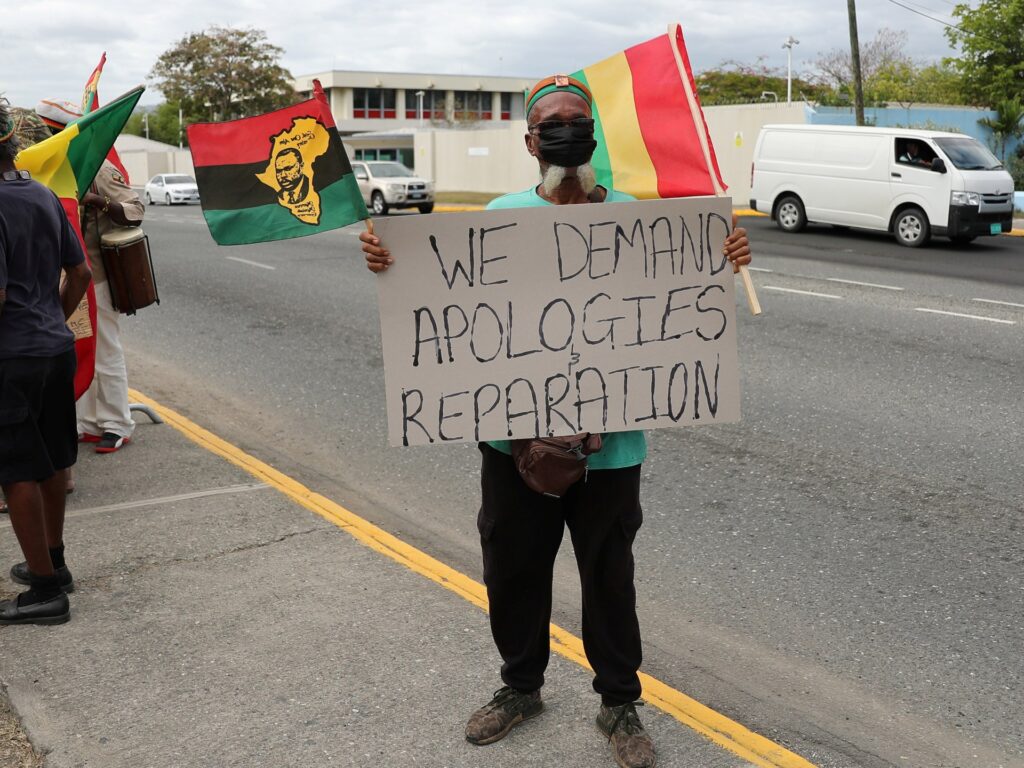
Jamaica is embarking on a significant and historic quest to seek $10 billion in reparations from the United Kingdom. This demand stems from the lingering legacy of over 300 years of British colonial rule, during which hundreds of thousands of enslaved Africans were exploited and subjected to unimaginable hardships on the island.
The roots of this reparations movement lie deep in Jamaica’s history. From the early 17th century until the mid-20th century, Jamaica was a pivotal British colony in the Caribbean, where enslaved Africans were forced to work primarily on sugar plantations. These plantations were brutal environments where the enslaved suffered extreme physical and psychological abuse, contributing to the wealth and economic development of the British Empire, while leaving a permanent scar on Jamaican society.
The population contraction, social dislocation, and economic devastation wrought by slavery have had generational effects still felt in Jamaica today. Issues such as economic inequality, social stratification, and systemic marginalization of descendants of enslaved Africans underscore the ongoing impact of this dark period.
Jamaica’s call for reparations is part of a broader effort aligned with other Caribbean nations and African diaspora communities worldwide to seek justice, recognition, and compensation for the atrocities of slavery and colonialism. This movement gained renewed momentum with the establishment of organizations such as the Caribbean Community (CARICOM) Reparations Commission.
The $10 billion figure represents an initial estimate aimed at funding developmental projects, education, healthcare, and economic reforms to address inequalities and uplift communities historically disadvantaged by colonial exploitation. Jamaica argues that these reparations are not about reviving past grievances but are a pragmatic investment in rectifying structural imbalances and securing a more equitable future.
The United Kingdom, however, has shown resistance to formally acknowledging the claim, often citing the historical distance and the complexities involved in issuing reparations. Critics of the move sometimes view it as politically charged or economically unrealistic, while supporters emphasize it as a vital step for justice and healing.
The reparations claim involves legal, moral, and diplomatic dimensions. Jamaica and its allies are working through international forums, legal channels, and diplomatic negotiations to press their case. They point out that similar reparations have been paid in other contexts, such as to victims of apartheid in South Africa or to communities affected by colonial exploitation in other regions.
Moreover, reparations would symbolize a formal recognition of historical wrongs, contributing to healing and reconciliation. It is argued that such acknowledgment encourages learning from history and fostering relationships based on respect and mutual understanding.
As Jamaica pursues its claim, it highlights the broader global conversation about historical justice, post-colonial accountability, and the legacies of slavery. This movement challenges nations to confront uncomfortable historical truths and offers a pathway toward redressing systemic disparities that have their origins in colonial exploitation.
In conclusion, Jamaica’s pursuit of $10 billion in reparations from the UK is a profound chapter in the ongoing struggle for justice. It reflects a collective yearning for recognition, reparation, and restorative justice for centuries of suffering and deprivation endured under British colonial rule. The outcome of this campaign may have profound implications not only for Jamaica and the UK but for all post-colonial societies seeking to reconcile with their pasts and build more equitable futures.