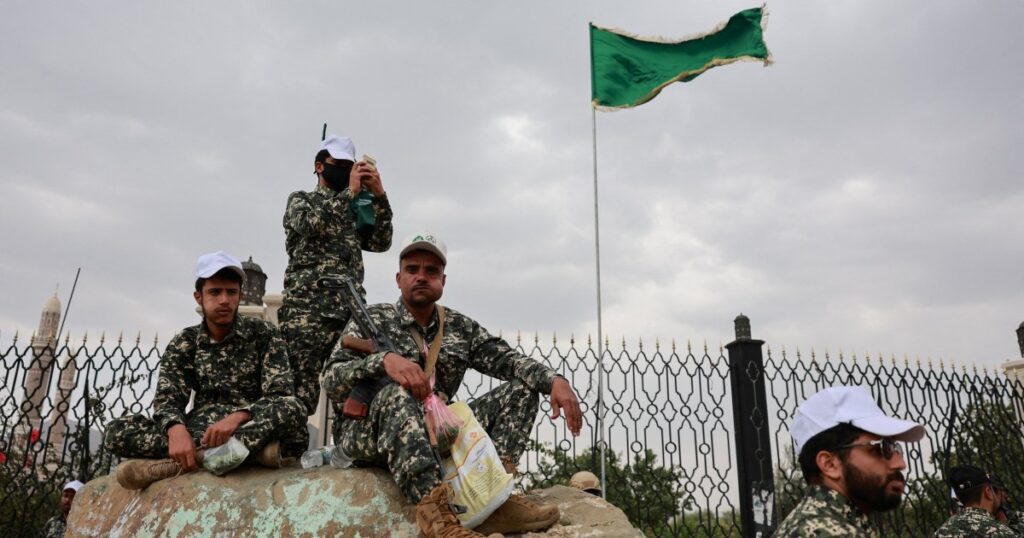
The escalating conflict between Yemen’s government forces and Houthi rebels has taken a significant and alarming turn as the Yemeni government launched its own air strikes against the Houthis. This development comes amid a major Houthi offensive aimed at seizing control over the strategic Bab al-Mandeb strait, a crucial maritime chokepoint that links the Red Sea to the Gulf of Aden.
This offensive by the Houthis has triggered some of the most intense fighting Yemen has witnessed in years, marking a dangerous escalation in the country’s prolonged civil war. The Bab al-Mandeb strait holds immense strategic value not only for Yemen but also for global maritime trade, as a significant proportion of the world’s oil shipments pass through this narrow waterway. Control over this area could have profound implications for regional security and international shipping lanes.
The Yemen government’s decision to conduct air attacks signals a robust response to the Houthi advances. These strikes are aimed at repelling Houthi forces and disrupting their supply lines and command centers, which have been pivotal in the rebel group’s offensive operations. The aerial campaign underscores the government’s intent to regain territorial control and prevent the Houthis from consolidating their grip over key strategic locations.
However, the air strikes also raise concerns about the humanitarian fallout. Yemen is already facing a dire humanitarian crisis characterized by widespread famine, disease outbreaks, and displacement. Increased military activity risks further exacerbating civilian suffering and displacement in an already fragile environment.
International reactions to the intensification of hostilities have been cautious yet concerned. Global powers and regional actors have emphasized the need for de-escalation and a return to dialogue. The United Nations and various humanitarian organizations have called for immediate ceasefires to allow aid delivery to millions of affected Yemenis.
The recent developments highlight the complex and multifaceted nature of Yemen’s conflict. The internal strife is not just a civil war but also a proxy battleground for regional power struggles, involving countries like Saudi Arabia and Iran supporting opposing sides. The strategic importance of the Bab al-Mandeb strait adds another layer of complexity, as control over the strait could shift regional maritime power dynamics.
For Yemen’s population, the ongoing combat inflicts more than just physical damage; it undermines hopes for peace and stability. The government’s air attacks and the Houthi offensive both reflect a challenging path ahead for conflict resolution. Without meaningful diplomatic engagement and international efforts to address the root causes of the conflict, Yemen risks further fragmentation and deepening crisis.
In summary, the Yemen government’s initiation of air attacks against the Houthi rebels marks a critical escalation in the country’s conflict. The battle for Bab al-Mandeb is a strategic and symbolic struggle with far-reaching consequences for regional security and global trade. The international community faces a pressing challenge to mediate peace and prevent a humanitarian catastrophe amid intensifying warfare. Yemen’s future remains uncertain as the violent contest for control continues, underscoring the urgent need for renewed efforts towards peace and stability.