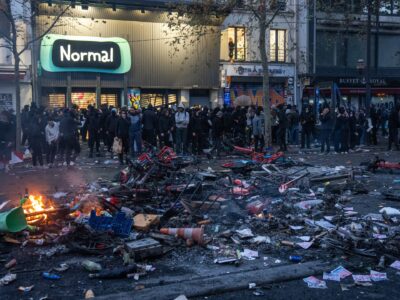
On Saturday, masked protesters gathered to block major roads around England’s Port of Dover, causing significant disruption to one of the country’s busiest transportation hubs. The protest, themed under the slogan ‘Stop the boats,’ brought renewed attention to ongoing debates over immigration and border security.
The Port of Dover is a crucial gateway for both passenger and freight traffic between the United Kingdom and continental Europe. Its strategic importance means that any disruption has widespread consequences, affecting logistics chains, commuters, and international travelers alike.
Protesters donned masks to conceal their identities, a move that is often used both for privacy and to add a sense of anonymity and solidarity. The demonstrators organized swiftly, and their activities caused significant delays on surrounding roadways, further compounding the operational challenges at the port.
Authorities responded by deploying police forces to maintain order and to attempt to clear the blockades. Despite the disruption, the protest remained largely peaceful with no major reports of violence.
The ‘Stop the boats’ movement references opposition to small boats carrying migrants across the English Channel, which has been a politically charged issue in recent years. Supporters argue that the boats represent illegal entry points and pose security risks, while critics of the movement emphasize the need for humane treatment of migrants and criticize the rhetoric as inflammatory.
The protest at Dover reflects the ongoing national dialogue on immigration policy, border control, and the humanitarian obligations the UK faces. It highlights the tension between enforcement and compassion, as well as the complexities involved in managing migration on one of Europe’s busiest maritime routes.
Port officials have expressed concern over the disruption, stressing the need for the port to operate smoothly to support the UK’s economy and trade relations. Delays at the port have ripple effects, with freight shipments facing delays and travelers encountering longer wait times.
Local businesses, particularly those reliant on transport and tourism, voiced apprehensions about the impact of such protests on the region’s economic vitality. Some community members also showed support for the protest’s message, underlining the divided public opinion on this sensitive topic.
The protest at Dover is part of a series of actions nationwide aimed at raising awareness and campaigning for changes in government policy regarding immigration and border security.
As the situation develops, further protests may emerge, and authorities are likely to continue balancing the right to peaceful assembly with the imperative to maintain public order and ensure critical infrastructure remains functional.
This incident underscores the persistent societal challenges posed by migration issues and the varying perspectives within the UK population. It prompts ongoing discussions about finding sustainable, lawful, and humane solutions to complex border and immigration dynamics in a globalized world.