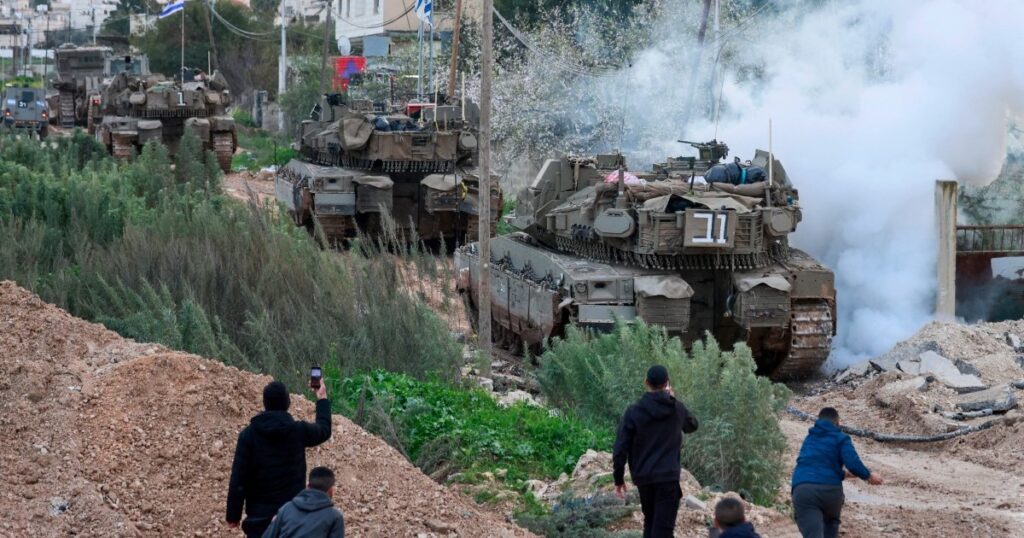
The United Nations has raised serious concerns of potential ethnic cleansing in the context of Israel’s ongoing military operation in the West Bank, known as Operation Iron Wall. This large-scale operation has led to the displacement of more than 33,000 Palestinian refugees, exacerbating an already critical humanitarian situation. The UN’s alarm underscores the gravity of the situation as communities face forced removals and extensive hardship.
Operation Iron Wall, launched by Israel with stated objectives of security and counter-terrorism, has intensified conflicts in the West Bank, leading to unprecedented civilian displacement. The displacement figures highlight a growing crisis, with thousands living without adequate access to shelter, food, or medical care.
Human rights organizations have echoed the UN’s concerns, pointing to patterns of evictions, destruction of homes, and restrictions on movement that disproportionately affect Palestinian residents. The term “ethnic cleansing” refers to the systematic forced removal or displacement of an ethnic group from a particular area, often involving violent and coercive methods. The scale and methods observed during the operation have raised alarms that such dynamics may be unfolding.
The West Bank has been a focal point of the Israeli-Palestinian conflict for decades, with periodic escalations leading to suffering and destabilization. The current operation’s impact on civilians is prompting calls for international intervention to protect vulnerable populations and prevent further escalation. The UN has appealed for restraint from all parties involved and urged respect for international humanitarian laws.
Displaced Palestinians face dire conditions in overcrowded camps and temporary shelters, with limited resources and ongoing security concerns. The disruption to everyday life, including education and healthcare, further compounds the hardships faced by these populations.
The international community is closely monitoring the situation, with several governments and international organizations expressing concern over the humanitarian consequences. There are increasing demands for dialogue, negotiation, and a renewed commitment to peace efforts.
The UN’s intervention highlights the urgency of addressing the root causes of the conflict and implementing sustainable solutions to ensure the safety and dignity of all affected populations in the region. Without immediate attention and comprehensive policies, the risk of prolonged displacement and ethnic tensions remains high.
As Operation Iron Wall continues, the plight of the displaced Palestinians calls for concerted efforts from global leaders, humanitarian agencies, and local authorities to safeguard human rights and prevent further deterioration of the situation. The ongoing crisis serves as a stark reminder of the need for enduring peace and justice in the Israeli-Palestinian conflict.