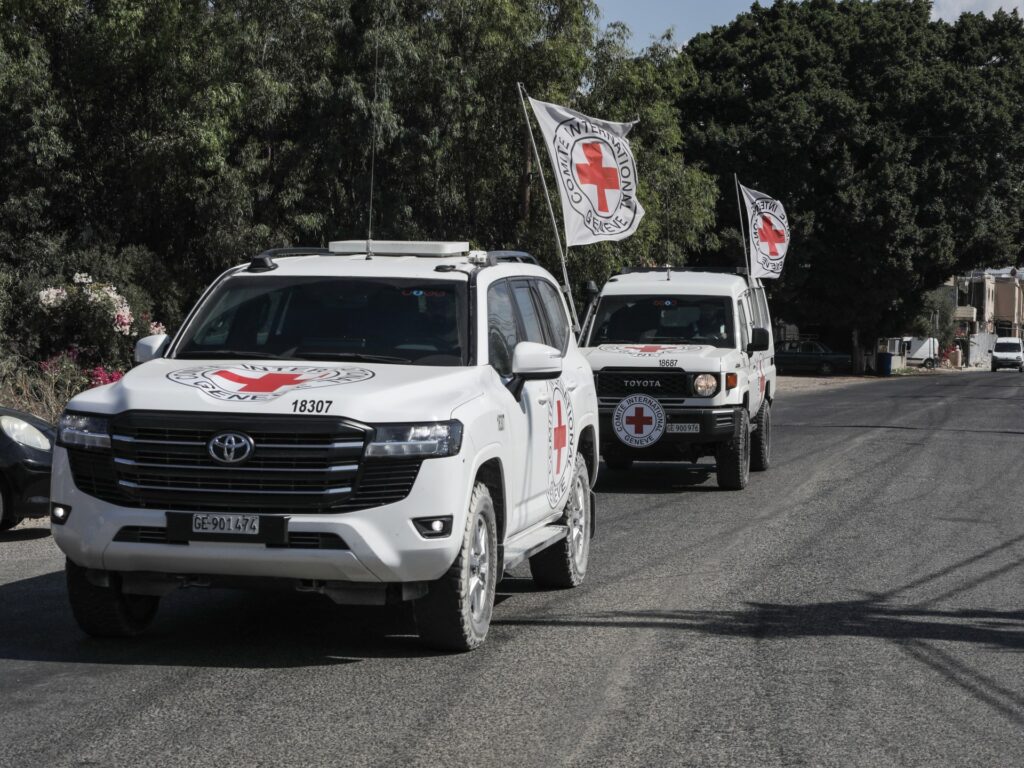
In a significant development, Israel has released four Lebanese prisoners following a handover coordinated by the International Committee of the Red Cross (ICRC). This move marks another chapter in the ongoing efforts to ease tensions between the two countries and advance humanitarian measures.
The release follows a delicate negotiation process, with the ICRC playing a crucial role as a neutral intermediary, ensuring the safety and orderly transfer of the prisoners. The detainees were returned to Lebanese authorities amid expressions of relief and hope from multiple parties.
Lebanese President Joseph Aoun expressed strong appreciation for the release, highlighting its importance for families awaiting their loved ones’ return. President Aoun publicly thanked US President Donald Trump for his involvement and support in facilitating the release, underlining the crucial role played by international diplomacy.
This prisoner exchange comes after a period marked by heightened tensions and longstanding disputes between Israel and Lebanon. The gesture is viewed by many as a positive step towards confidence-building and peaceful resolution of outstanding issues.
The ICRC, known for its humanitarian work in conflict zones, reiterated its commitment to protecting prisoners’ rights and supporting conflict-affected communities. Their involvement was instrumental in monitoring the transfer process to ensure compliance with international humanitarian standards.
Observers note that such exchanges can pave the way for broader negotiations addressing the complex relationship between Israel and Lebanon, potentially easing security concerns and opening channels for further dialogue.
Human rights advocates welcomed the release, emphasizing the importance of humane treatment and due process for detainees in any context. They called on all parties to continue working towards peaceful solutions and respect for human dignity.
The families of the released prisoners expressed profound gratitude, describing the moment as one of immense relief and a hopeful sign for the future.
While this development does not resolve all outstanding issues, it represents a meaningful gesture towards peace and reconciliation in a historically volatile region. Continued engagement by all stakeholders, including regional and international actors, remains essential to sustain momentum.
The cooperation exemplified in this prisoner exchange underscores the potential for dialogue and humanitarian concern to bridge divides even amid political conflicts. As both Israel and Lebanon navigate complex challenges, such steps provide glimmers of optimism for future stability and mutual understanding.