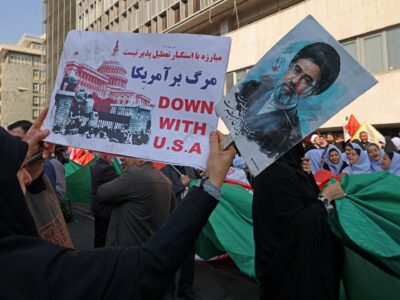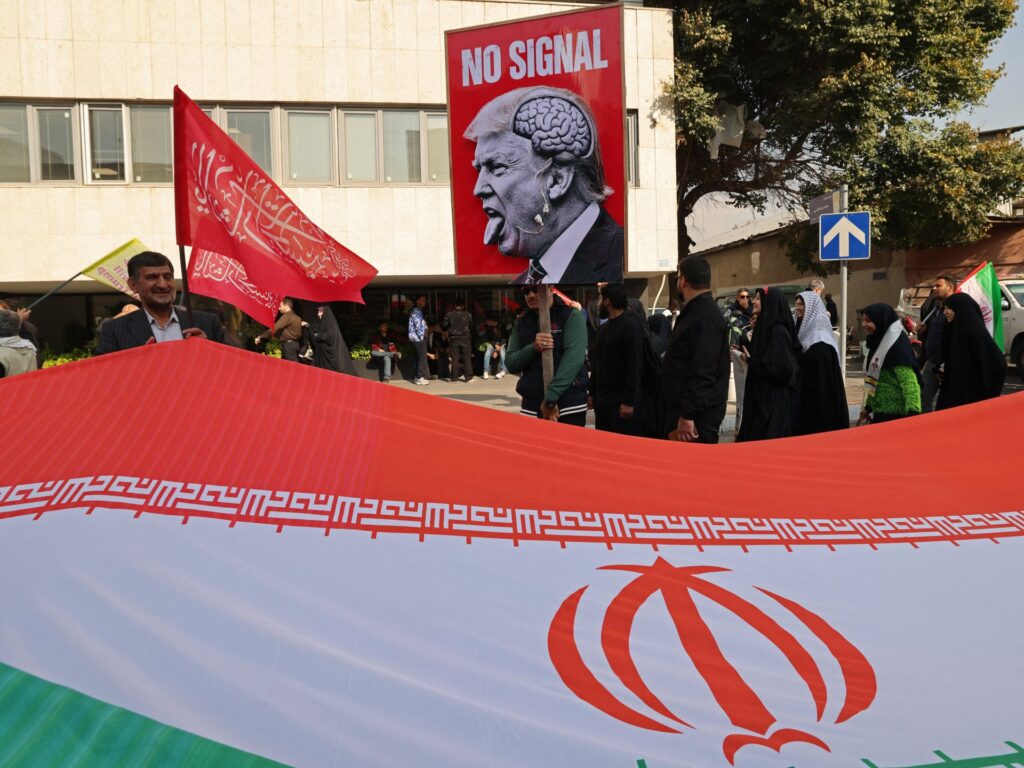
Former President Donald Trump has openly defended his decision to engage in military action against Iran, despite facing significant criticism and unfavorable public opinion reflected in numerous polls. Trump acknowledged that the conflict with Iran had a role in contributing to his political setbacks, but maintained that he would choose to launch the campaign again if given the opportunity. During recent interviews, Trump emphasized his belief that the war was justified, arguing that it was necessary for national security and to counter Iranian threats to the U.S. and its allies.
The Iran conflict has been a highly contentious issue, with many Americans expressing concern over prolonged military engagements overseas and the human and economic costs involved. Polling data following the Iran war indicated a sharp decline in Trump’s approval ratings, highlighting the public’s unease and opposition to the conflict.
Despite these political consequences, Trump remained unapologetic. He stated that protecting American interests and preventing Iran from advancing its nuclear ambitions outweighed short-term political risks. “Sometimes hard decisions must be made for the safety of the nation,” Trump asserted, framing the military action as a necessary measure in volatile geopolitical circumstances.
Political analysts note that Trump’s stance reflects a broader debate about the use of military force and the long-term strategies the U.S. should pursue in the Middle East. Critics argue that the war exacerbated tensions and failed to bring sustainable peace, while supporters applaud the decisive action against a hostile regime.
Fox News and other conservative media outlets have often portrayed Trump’s decision as a demonstration of strength and assertiveness in foreign policy, contrasting it with what they depict as weaker approaches by subsequent administrations. Conversely, many Democrats and human rights advocates continue to call for diplomatic solutions rather than military interventions.
The former president’s comments come amid ongoing discussions about U.S. policy towards Iran, including debates over nuclear agreements and regional security. As tensions remain delicate, Trump’s insistence on the justification of war highlights the deeply polarized views on how best to handle Iran’s influence and activities.
This reaffirmation by Trump serves as a reminder of the enduring impact of military decisions on domestic politics and international relations. It also underscores the complexities leaders face when balancing national security interests with public opinion and international diplomacy.
Looking ahead, the legacy of the Iran war and Trump’s role in it will likely continue to shape debates within the Republican Party and among voters, particularly as issues of security and foreign policy become central in upcoming elections. The former president’s refusal to express regret illustrates his commitment to a hardline approach, which remains a defining feature of his political identity.