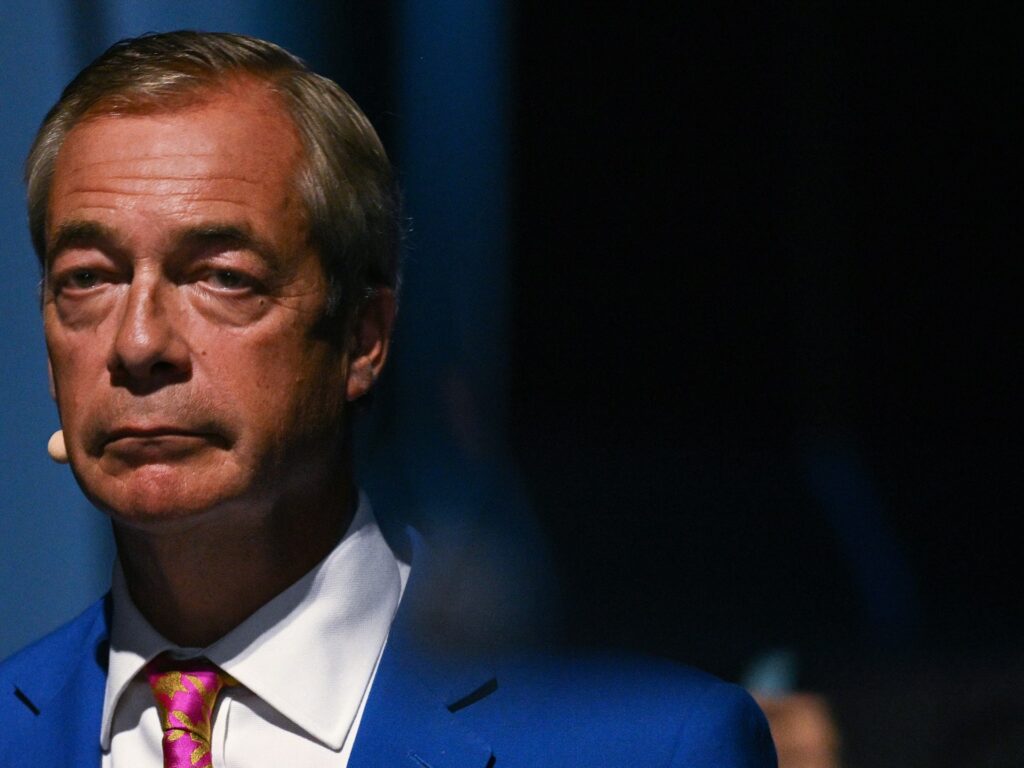
The Reform Party, led by prominent political figure Nigel Farage, is facing serious allegations of breaching the UK’s foreign funding rules. These allegations surfaced after undercover footage reportedly captured senior officials from the party discussing strategies to circumvent the laws designed to regulate and limit foreign donations to UK political organizations. The UK’s foreign funding regulations aim to prevent external influence on national political processes, ensuring that political parties remain accountable to the domestic electorate and reducing undue foreign interference in the democratic system.
The undercover footage has raised widespread concerns about the integrity and transparency of the Reform Party’s funding practices. It allegedly shows party officials engaging in discussions on how to conceal or disguise donations originating from overseas sources, potentially violating electoral finance laws. If proven true, such actions would undermine the legal frameworks in place and could lead to significant legal penalties and reputational damage for the party.
Experts in election law note that these rules are pivotal in safeguarding electoral fairness. Foreign funding is tightly controlled, with strict reporting requirements designed to ensure transparency about the sources of political donations. Evading these rules can lead to investigations by regulatory bodies such as the UK’s Electoral Commission, imposing fines and other sanctions.
Nigel Farage and the Reform Party have yet to issue a comprehensive response to these allegations, but the controversy has already sparked a wider debate on political funding and the adequacy of current laws. Critics argue that stronger measures may be required to close loopholes exploited by political entities to channel foreign money into UK politics.
This incident highlights the ongoing challenges faced by democracies worldwide in maintaining clean and transparent political financing in an era of increasing global interconnectedness. The outcome of this investigation could set important precedents for how foreign influence is managed within British political life and reinforce the necessity for vigilance and regulatory oversight.
In summary, the Reform Party’s alleged attempts to evade foreign funding laws revealed through undercover footage have prompted urgent scrutiny from legal authorities and political commentators. The case underscores the critical importance of robust and enforced legal frameworks in preserving the integrity of the UK’s democratic system against foreign intervention and undisclosed financial influence.