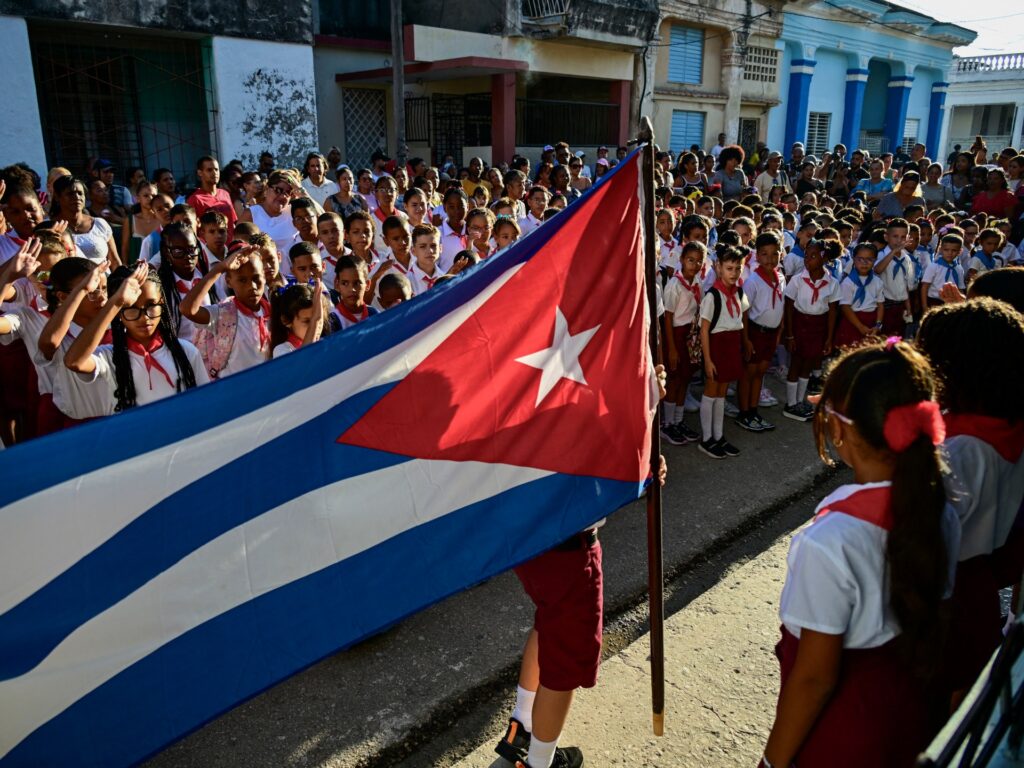
The United States has intensified its economic pressure on Cuba by implementing a new series of sanctions aimed at crippling the island nation’s economy. This aggressive move comes amidst escalating tensions marked by unofficial threats of military action from the Trump administration. The sanctions target key sectors of the Cuban economy, including tourism, remittances, and the access of Cuban firms to international banking and trade networks, further worsening the already dire economic situation on the island.
In response to the mounting economic pressure and striving for survival, the Cuban government has announced a set of significant pro-market reforms. These reforms are designed to stimulate economic activity by easing state control over some sectors and encouraging private enterprise and foreign investment. Cuba’s leadership sees these reforms as essential measures to counterbalance the devastating effects of renewed US sanctions and the broader global economic challenges impacted by the COVID-19 pandemic.
Historically, Cuba’s economy has been stifed by decades of US embargo that restricts trade and financial transactions. The new sanctions, which largely stem from the Trump administration’s hardline stance, include prohibitions on transactions involving the Cuban military and restrictions on American tourists visiting the island, implicitly targeting key revenue streams that sustain the Cuban government.
The Cuban government’s reforms introduce more flexible policies, such as legalizing new forms of private businesses, allowing more Cubans to sell their own properties, and encouraging joint ventures with foreign companies, which marked a significant shift from previous policies. This transition indicates a pragmatic turn in Havana’s economic strategy, aiming to attract much-needed capital and boost employment.
The international community has expressed mixed reactions to these developments. Supporters of the US sanctions argue they are necessary to pressure Cuba towards democratic reforms and human rights improvements. Conversely, critics claim the sanctions disproportionately harm ordinary Cuban citizens, exacerbate economic hardship, and undermine prospects for peaceful engagement.
Economic experts suggest that while the pro-market reforms have potential, their success depends heavily on the regime’s willingness to implement them transparently and the degree of flexibility it grants the private sector. Moreover, without a resolution to the US embargo, the effectiveness of these reforms may be limited by access to global markets and capital.
Meanwhile, diplomatic relations between the US and Cuba remain strained. Ongoing distrust and political rhetoric fuel uncertainties around future US policy changes that could either ease or intensify sanctions depending on the administration’s stance.
Cuba’s efforts to revitalize its economy through reforms, coupled with its resilience amid international pressure, underscore the complex dynamics at play. The situation remains fluid, with significant implications for regional stability, human rights, and economic development within Cuba. Both the US sanctions and Cuba’s internal reforms will likely be pivotal in shaping the island’s economic and political landscape in the coming years.