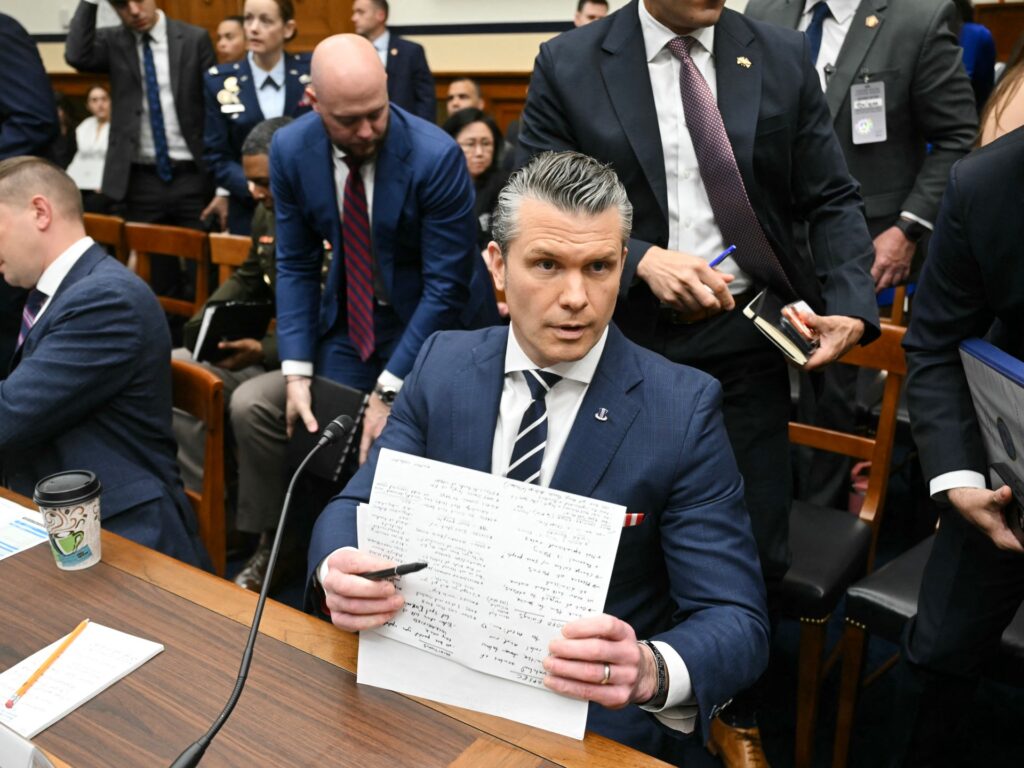
Pete Hegseth’s tenure as the US Secretary of Defense has been marked by a series of controversies that continue to fuel debate and scrutiny. As a prominent figure in American politics and military affairs, Hegseth’s leadership style and decisions have drawn significant attention, especially amid calls for his removal by some Republican senators.
One of the central issues during Hegseth’s time at the Pentagon has been his handling of military personnel matters. Critics argue that his policies have at times alienated service members and veterans, despite his background as a veteran himself. His stance on various military reforms, including pay raises and healthcare benefits, has sparked tension within military communities.
Hegseth’s approach to foreign policy and defense strategy has also been a flashpoint. His support for aggressive military postures in certain global hotspots has garnered criticism from those favoring more diplomatic or measured approaches. This has led to debates within the administration and congress about the direction of US military engagement abroad.
Additionally, Hegseth has faced accusations of politicizing the Pentagon, with allegations that he has used his position to advance partisan agendas rather than focusing solely on national defense. This perception has undermined confidence in his leadership among both Democrats and some Republicans.
Controversies regarding transparency and communication have further complicated his tenure. His relationship with the press and how information about Pentagon operations is shared has been contentious, with some accusing the department under his leadership of being less forthcoming.
Issues surrounding procurement and military spending under Hegseth’s watch have also been scrutinized. Critics highlight concerns about budget allocations and the prioritization of certain defense projects that some view as wasteful or mismanaged.
The renewed calls for Hegseth’s removal underscore the growing dissatisfaction among certain lawmakers who believe new leadership is necessary to steer the Pentagon in a different direction. These calls come amidst broader discussions on the future of US defense policies and the role of the military in addressing emerging global threats.
Supporters of Hegseth argue that his decisive actions and commitment to strengthening the military have been vital in a challenging geopolitical landscape. They contend that his controversies are often exaggerated by political opponents and that his vision for the Pentagon aligns with national security interests.
As Pete Hegseth’s Pentagon faces increasing scrutiny, the coming months will be critical in determining his legacy and the trajectory of US defense policy. Whether he remains in his position or is replaced, the debates sparked by his tenure will likely influence military and political discourse for years to come.