In the Gaza Strip, local farmers are undertaking a vital initiative to rebuild a seed bank that was destroyed during the recent conflict with Israel. This seed bank played a crucial role in conserving the region’s agricultural biodiversity by preserving local crop varieties, many of which are uniquely adapted to Gaza’s specific climate and soil conditions.
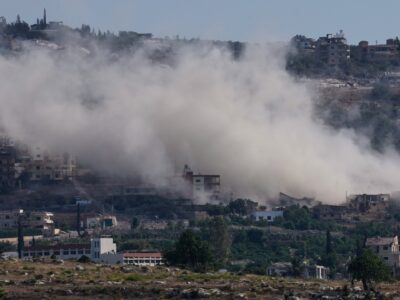
The destruction of the seed bank during the war not only damaged physical infrastructure but also threatened the survival of indigenous seeds that have been cultivated by generations of farmers. These seeds are essential for maintaining food security, cultural heritage, and agricultural resilience against pests, diseases, and environmental changes.
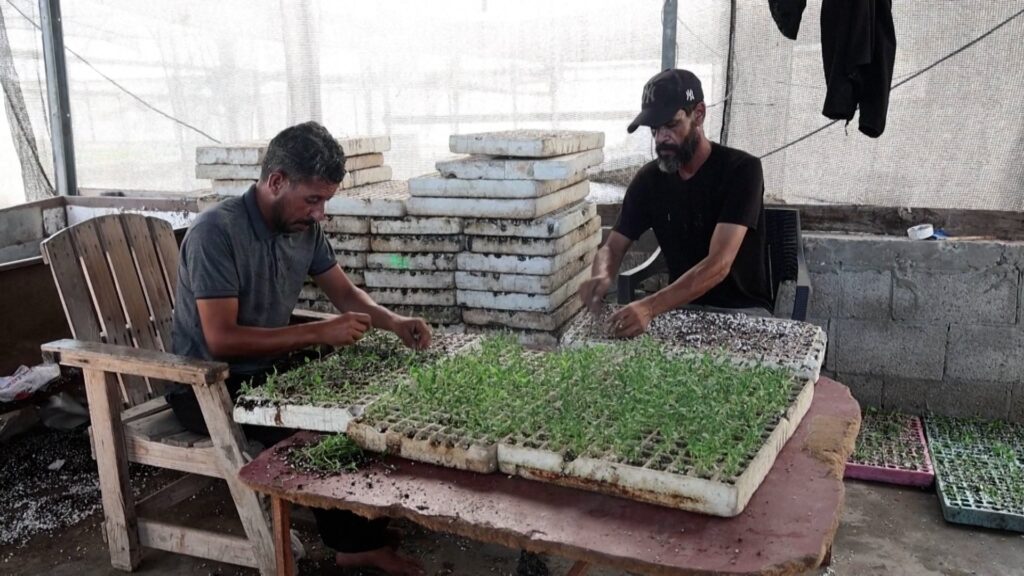
Farmers have come together with support from local organizations to collect, cultivate, and store native seeds. Their efforts focus on traditional crops such as heirloom grains, legumes, vegetables, and fruits that are well-suited to the region’s arid environment. By restoring this seed bank, they aim to protect Gaza’s agricultural legacy and ensure the availability of diverse, resilient crops for future planting seasons.
Rebuilding the seed bank also represents a form of resistance and recovery, demonstrating the community’s commitment to preserving their land and way of life despite ongoing challenges. Access to local seeds reduces dependency on imported hybrids and genetically modified varieties, which may not perform well under Gaza’s harsh agricultural conditions.
The seed bank restoration project has provided local farmers with training and resources to properly collect, store, and multiply seed varieties. This knowledge transfer is crucial for the sustainability of the seed bank and the long-term survival of local crops. Additionally, the project fosters cooperation among farmers, scientists, and NGOs to promote sustainable agriculture and biodiversity conservation.
Preserving these seeds will help farmers adapt to climate change effects such as rising temperatures and water scarcity that increasingly threaten Gaza’s agriculture. The initiative underscores the importance of seed sovereignty and agricultural biodiversity as key components of resilience in conflict-affected regions.
In conclusion, the restoration of the Gaza seed bank is a hopeful story of community solidarity and environmental stewardship. It highlights how local farmers are actively working to preserve their agricultural heritage against adversity while building a sustainable future for food security in Gaza.