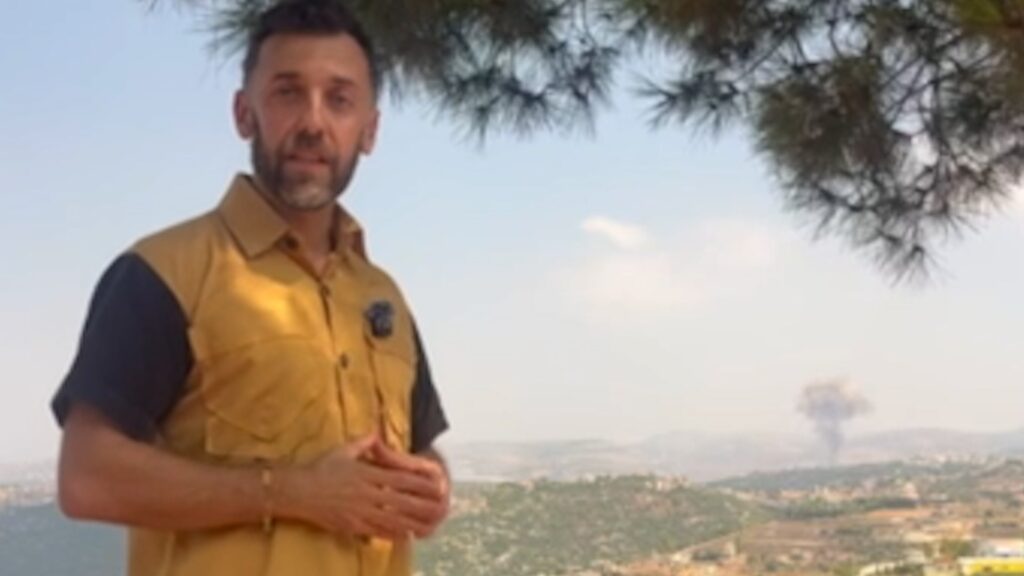
During a live news report from a Lebanese village, an Israeli bombing was clearly seen in the background behind the journalist. The footage has captured a rare and startling moment of conflict, showing the intensity and immediacy of the violence in the region. This incident underscores the ongoing tensions and hostilities in the area, which continue to affect civilians and media personnel alike.
The Lebanese village, situated close to the border with Israel, has been a frequent site of conflict given its proximity to military and strategic targets. The journalist, reporting on local conditions and the impact of the conflict on residents, was caught in the midst of a bombing that unfolded just behind them.
Such incidents highlight the dangers journalists face when covering conflict zones. The presence of active hostilities poses life-threatening risks, yet reporters strive to bring real-time updates and on-the-ground perspectives to global audiences. This footage serves as a stark reminder of the volatility in the region and the human stories often overshadowed by the broader political and military narratives.
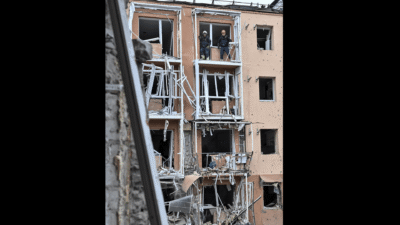
The Israeli bombing campaign in this area is part of a broader conflict involving various factions and has led to significant casualties and destruction. Many residents of Lebanese border villages live in constant fear due to repeated military actions, which disrupt daily life and hinder humanitarian efforts.
International reactions to such incidents generally call for calm and the protection of civilians and journalists. Media organizations emphasize the importance of press freedom and the need for secure environments where the truth can be reported without endangering lives.
This event, captured live and broadcast to the world, provides a powerful visual account of the ongoing hostilities and elevates awareness about the fragile situation in Lebanese border areas. As the conflict persists, it remains crucial to monitor developments and advocate for peaceful resolutions to protect all affected communities and personnel on the ground.