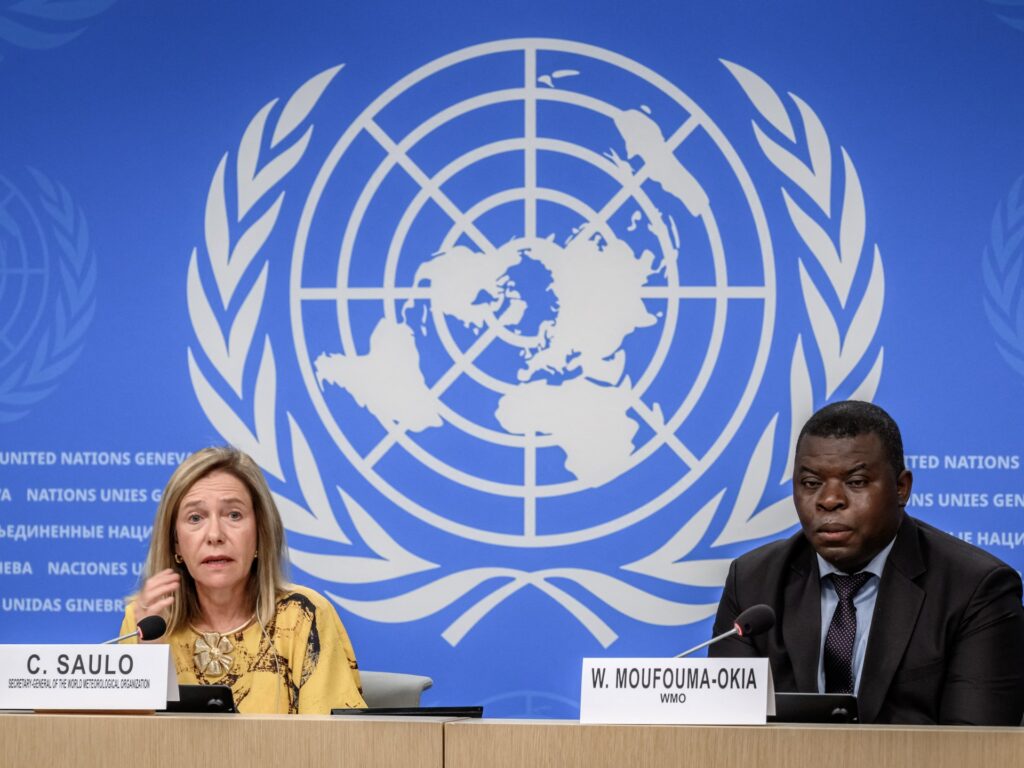
The United Nations has issued a stark warning regarding the development of an El Niño event that could potentially be the strongest experienced in decades. The World Meteorological Organization (WMO), a specialized agency of the UN responsible for meteorological, climatological, and hydrological affairs, has reported a 100% probability that the current El Niño phase will persist through February.
El Niño is a climate phenomenon characterized by the warming of surface waters in the central and eastern Pacific Ocean, which significantly impacts global weather patterns. The consequences of an intense El Niño can be far-reaching, contributing to severe droughts, floods, heatwaves, and disruptions in agriculture across multiple continents.
According to WMO forecasts, the ongoing El Niño event is expected to surpass historical records in strength, marking it as potentially one of the most impactful phenomena of recent decades. The implications for food security, water resources, and disaster management are grave, necessitating urgent attention from governments and agencies worldwide.
The UN’s warning highlights the critical need for preparedness and adaptive strategies to mitigate the effects of this extreme climate event. Early warning systems, comprehensive risk assessments, and enhanced resource allocation will be essential in reducing the vulnerability of affected populations.
Climate experts stress that this development underscores the broader challenges posed by climate change and the increasing volatility of weather systems globally. The link between rising global temperatures and the intensity of El Niño events calls for reinforced international cooperation on climate action and resilience building.
In summary, the UN’s alert about an ‘off the charts’ El Niño serves as a crucial call to action for governments, organizations, and communities worldwide to brace for significant climatic disruptions that could shape the near-term environmental and economic landscape.