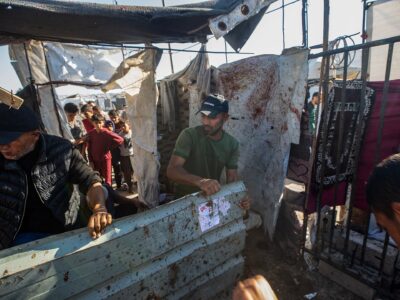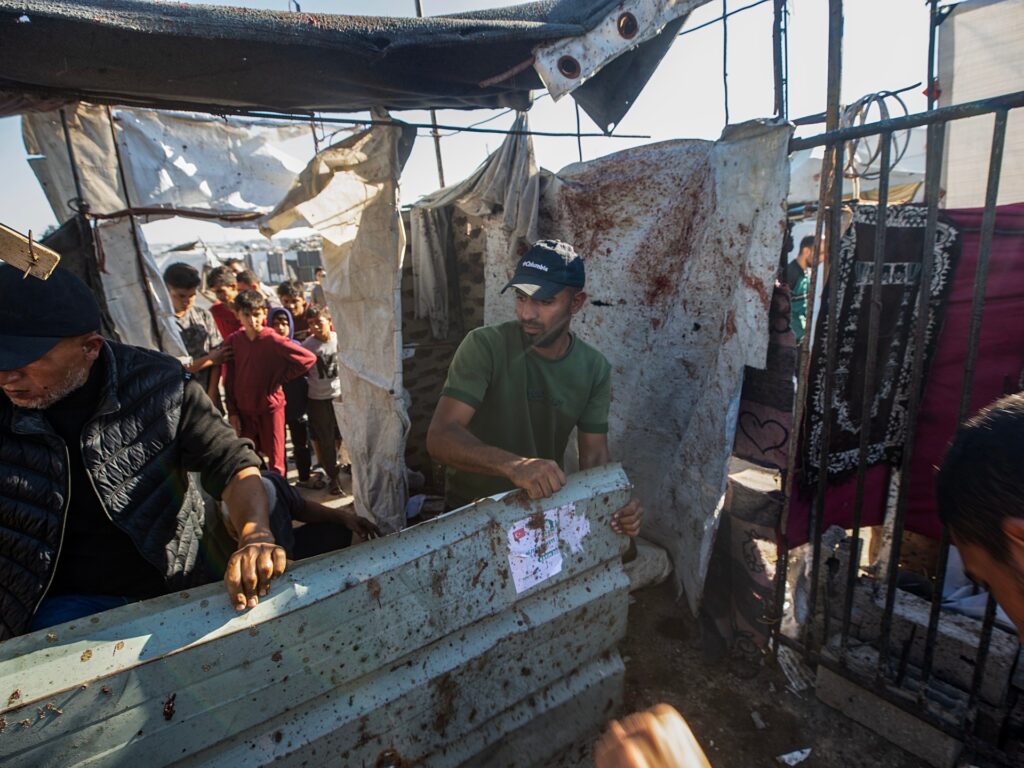
In a recent escalation of conflict, Israeli strikes have hit the Nasser Medical Complex located in Khan Younis, Gaza, resulting in significant damage and casualties. This attack occurred as the enclave was already grappling with a severe humanitarian crisis. Reports indicate that nine individuals were killed across Gaza during these strikes, adding to an escalating death toll in the region.
The Nasser Medical Complex, a critical healthcare facility serving the southern Gaza Strip, was struck in the midst of an ongoing conflict, raising serious concerns about the access to medical care for the local population. This incident further complicates the efforts of medical personnel working under extreme conditions to provide essential health services.
Meanwhile, the United Nations has issued an urgent appeal for aid, highlighting the dire situation worsened by heavy rains recently affecting the area. The adverse weather has compounded the hardships faced by residents and has strained the already scarce resources within the Gaza enclave.
The heavy rains have flooded streets and homes, disrupted transportation, and hampered the delivery of humanitarian aid. This environmental emergency is unfolding alongside the violent conflict, creating a multifaceted crisis for the people of Gaza.
The UN’s call for urgent assistance emphasizes the need for increased humanitarian support to cope with the dual impact of conflict and natural disaster. Aid organizations are striving to respond to the overwhelming needs of those affected by the strikes and the floods, but access remains challenging due to ongoing hostilities.
Local sources have described the damage to the Nasser Medical Complex as extensive, with infrastructure suffering from direct hits. The attack on a healthcare facility has drawn condemnation from international observers, who stress the importance of protecting medical sites in conflict zones to allow uninterrupted healthcare services.
The nine fatalities reported in Gaza include civilians caught in hostilities, reinforcing urgent calls for the protection of civilians amid ongoing conflict. The broader context of the Israeli-Palestinian tension continues to shape the realities on the ground, where each military action can have profound humanitarian consequences.
The combination of military strikes, heavy rain, and limited medical capacity poses a grave challenge to the health and safety of the population in Gaza. Many injured individuals reportedly face delays in receiving critical treatment due to the disrupted functioning of medical centers.
International relief organizations are coordinating with local entities to deliver emergency supplies, including medical equipment, food, and clean water, aiming to mitigate the deteriorating situation. However, the success of these efforts is contingent on achieving ceasefires or humanitarian corridors to allow safe passage.
The incident at the Nasser Medical Complex highlights the vulnerability of essential infrastructure in conflict zones and underscores the necessity for adherence to international humanitarian law designed to protect civilian institutions.
As tensions remain high, the local population continues to demand a resolution that will ensure safety, access to basic services, and the protection of human rights. The international community watches closely, with calls for renewed diplomatic efforts to de-escalate violence and prioritize humanitarian needs.
In conclusion, the Israeli strikes on the Nasser Medical Complex and the resulting casualties present a severe humanitarian challenge amid the broader conflict in Gaza. Coupled with the heavy rains and urgent aid requirements, the situation calls for immediate international engagement, ensuring relief and protection for the affected civilians.