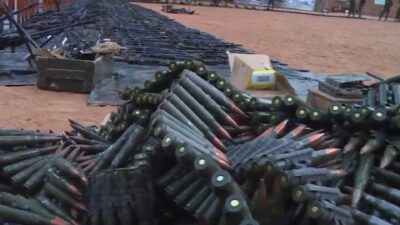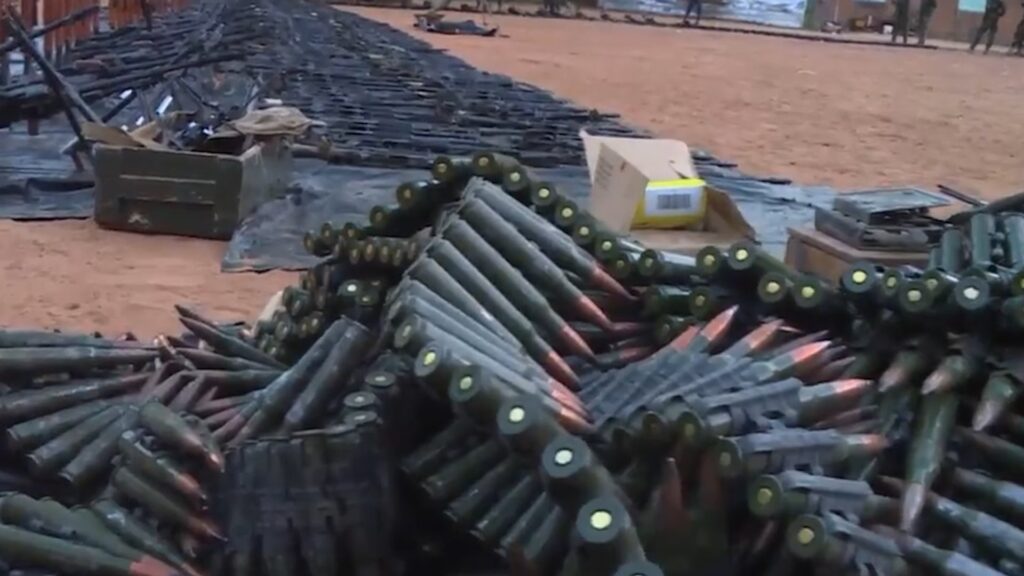
Niger’s government recently showcased a significant cache of weapons and military hardware confiscated following an unsuccessful mutiny attempt by a faction within the country’s armed forces. The display serves as both a demonstration of the government’s control and a stark warning against any future insurrections.
The mutiny, which erupted abruptly, was quickly subdued by loyalist forces, resulting in the arrest of several officers and soldiers involved. Authorities reported that the insurgents had planned to overthrow the current administration, but their efforts were swiftly thwarted.
During the confrontation, security forces managed to capture a diverse range of weaponry including assault rifles, ammunition, grenades, and other military equipment. Officials revealed that the arsenal indicated a high level of preparation and access to significant resources by the mutineers.
The government emphasized the importance of national stability and vowed to strengthen the military’s unity to prevent such incidents from recurring. Analysts point out that Niger has faced ongoing challenges concerning internal security, political tensions, and the threat of extremist groups.
The public display aimed to reassure citizens and international partners of the government’s firm stance on security matters. Moreover, this display underscores the risks faced by governments in the region, where military coups and mutinies have occasionally disrupted governance.
Authorities in Niger have pledged to conduct thorough investigations and send a clear message that armed rebellion will not be tolerated. The successful suppression of the mutiny was widely welcomed by the international community, highlighting support for Niger’s democratic institutions.
This incident serves as a reminder of the fragile state of political order in parts of West Africa. It also reflects ongoing efforts by governments to maintain control and ensure the safety of their populations amid complex socio-political landscapes.
Moving forward, Niger plans to implement reforms aimed at enhancing military discipline and fostering cohesion within the defense forces. These measures are expected to reduce the likelihood of future dissent and maintain stability in the country.
The seized arsenal will be used as evidence in court proceedings against those implicated, and to better understand the scope of the mutiny plot. The government encourages all citizens to remain vigilant and supportive of national institutions during this period of recovery.
In conclusion, Niger’s display of the confiscated arsenal following the failed mutiny serves as a powerful symbol of resilience and a commitment to safeguarding the nation’s sovereignty and democratic governance.