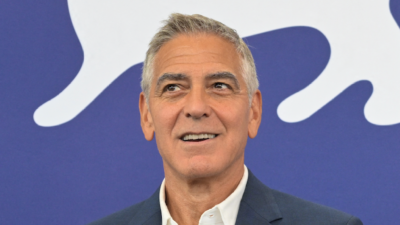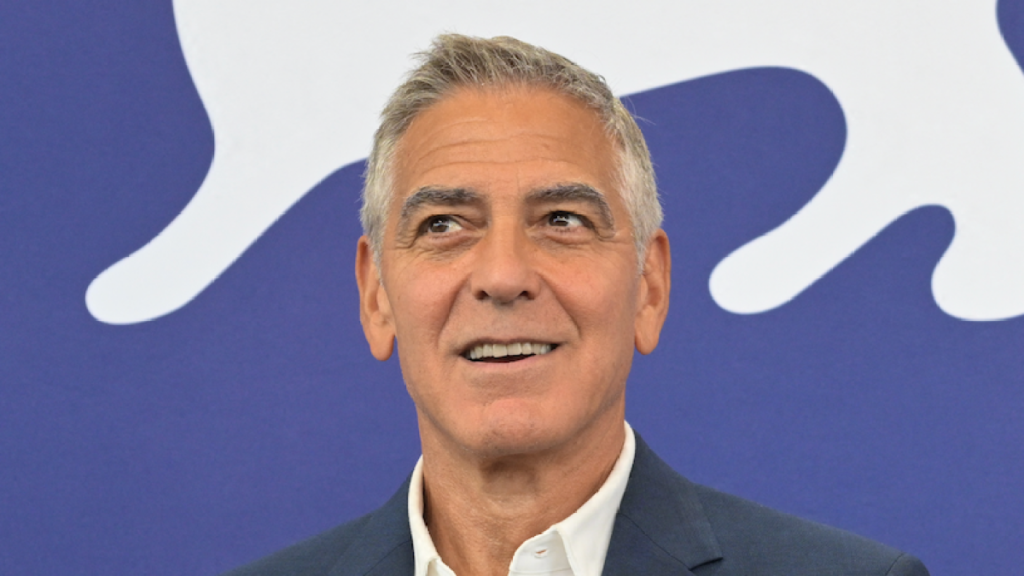
Renowned US actor George Clooney has openly criticized the current US government, describing the administration led by President Donald Trump as a “kakistocracy,” a term used to denote rule by the least qualified or most unprincipled individuals.
Clooney’s remarks reflect a growing sentiment of dissatisfaction among various public figures and citizens who express concerns about the effectiveness and qualifications of those in key positions within the government.
The actor emphasized the alarming notion that decisions shaping the nation’s policies and future are being made by officials whom he views as lacking the necessary competence and integrity. Clooney’s use of the word “kakistocracy” underscores his belief that the US government is operating under a system where the worst-suited people hold power.
This commentary adds to the ongoing discourse on the leadership style and administrative choices under the Trump presidency, highlighting debates over governance, accountability, and the impact on both domestic affairs and international relations.
Clooney, known for his active voice on social and political issues, used this term to draw attention and spark conversation regarding the administration’s priorities and decision-making processes.
His statement resonates with critics who argue that the government has seen a decline in effective leadership, with appointments and policies that they believe compromise the nation’s welfare and democratic principles.
The term “kakistocracy” is not new but has rarely been used in mainstream political discussions until recently. Its application by a high-profile figure like Clooney brings renewed focus and urgency to the critique.
Analysts say that such public criticism from celebrities can influence public opinion and potentially affect political dynamics by encouraging greater scrutiny of government officials.
The United States, under President Trump, has experienced significant political polarization, and Clooney’s remarks contribute to the broader narrative about challenges faced by the administration.
Clooney’s views are echoed by various commentators and experts who have raised concerns over qualifications and adherence to ethical standards within the government.
These discussions also extend to how governance affects critical areas such as economic policy, healthcare, international diplomacy, and social justice.
Some supporters of the administration, however, reject Clooney’s characterization, asserting that their governance is effective and aligned with their policies and objectives.
Debates like these are central to democratic discourse, representing divergent perspectives on leadership and public service.
Actors and other cultural figures often use their platforms to engage with political subjects and influence social debates, as Clooney has done.
His labeling of the administration as a “kakistocracy” therefore not only serves as criticism but also as a call to awareness among the public regarding governmental qualifications and legitimacy.
The ongoing political climate in the US remains highly contentious, with many watching closely the outcomes of policies and the conduct of officials.
Clooney’s outspoken position highlights the importance of evaluating leadership quality and its implications on the country’s future.
As the discourse continues, the role of public figures in shaping political narratives remains significant, with comments like Clooney’s contributing to the shaping of public understanding.
This development sheds light on the intersection of celebrity influence and political engagement in modern society, emphasizing the impact of words and opinions from prominent individuals.
In conclusion, George Clooney’s description of the US government as a “kakistocracy” marks a pointed critique of President Donald Trump’s administration, reflecting broader concerns about governance, qualifications, and democratic integrity in contemporary America.