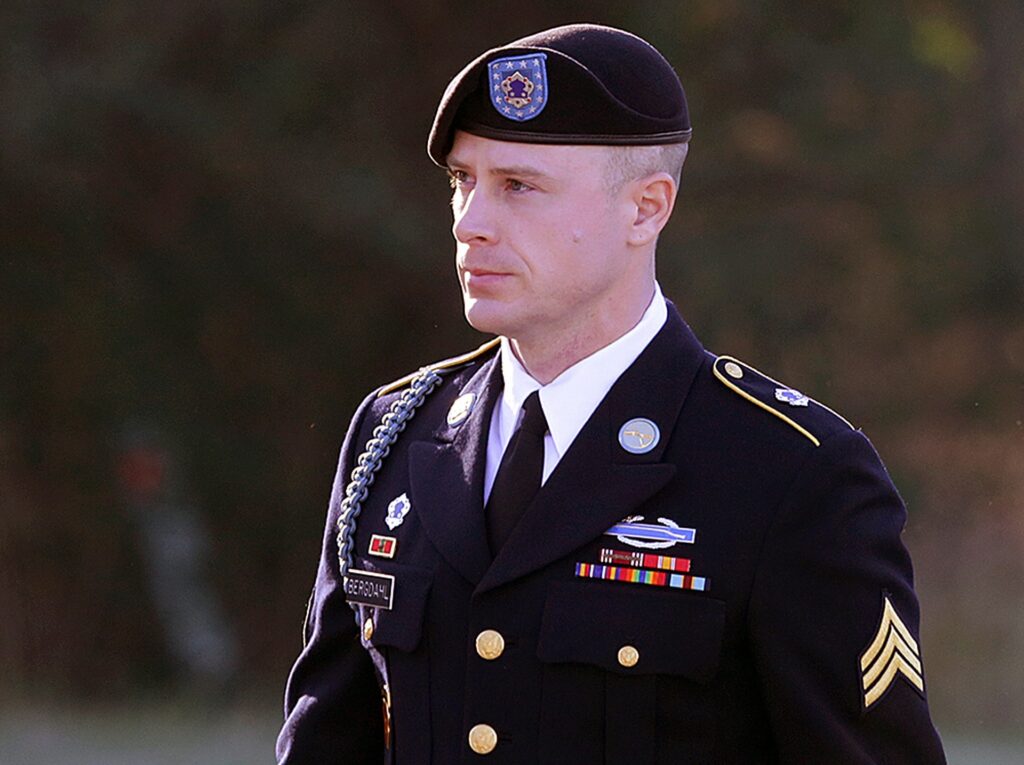
A recent ruling by an appeals panel has declared the dismissal of the conviction of former US soldier Bowe Bergdahl to be invalid. The panel emphasized that the authority to review and assess court-martial convictions lies solely with military tribunals, delivering a significant blow to Bergdahl, who was a prisoner of war in Afghanistan.
Bowe Bergdahl, who was captured by the Taliban in Afghanistan in 2009 and held for nearly five years, was previously convicted by a military court on charges related to desertion and misbehavior before the enemy. However, his conviction was later dismissed, a decision that has now been overturned by the appeals panel.
The ruling reinforces the principle that civilian courts do not have jurisdiction to overturn or dismiss convictions handed down by military courts. Instead, such cases must be handled within the military justice system. This clarification impacts not only Bergdahl’s case but also sets a precedent for how similar cases will be treated in the future.
Legal experts note that the panel’s decision underscores the distinct legal frameworks that govern military personnel, especially in matters involving court-martial proceedings. Military tribunals operate under a unique system that addresses the specific demands and discipline required for armed forces members.
The case has attracted widespread public and media attention due to Bergdahl’s controversial actions leading up to his capture and his long captivity. Supporters have called for leniency due to the hardships he endured, while critics argue that his desertion endangered fellow soldiers.
Following the appeals panel ruling, the dismissal of Bergdahl’s conviction stands invalid, meaning his original conviction could potentially be reinstated. This opens the path for further military judicial proceedings to finalize his status.
The Department of Defense has yet to issue an official statement regarding the panel’s decision. However, the ruling sends a clear message about the jurisdictional boundaries between military and civilian courts.
Bergdahl’s case continues to serve as a complex example of the challenges in balancing military discipline, justice, and the treatment of service members captured in hostile environments. The appeals panel’s reaffirmation of military tribunal authority highlights the importance of specialized legal mechanisms within the armed forces.
As this matter unfolds, attention will remain on how military justice systems handle cases involving controversial figures like Bergdahl, especially when issues of desertion and captivity intersect with national security concerns.
In summary, the appeals panel’s decision invalidating the dismissal of Bergdahl’s conviction reinforces military tribunals’ exclusive role in reviewing court-martial decisions, marking a critical development in military law and justice.