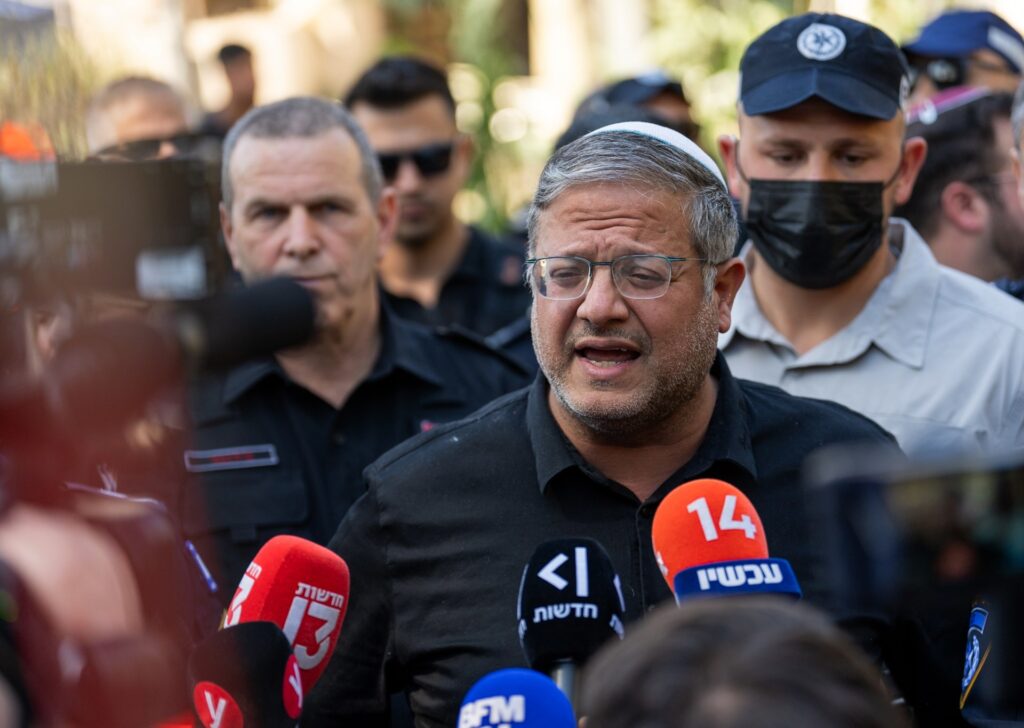
In a recent and highly contentious development, Israel’s far-right Interior Minister, Itamar Ben-Gvir, openly praised the harsh conditions imposed on Palestinian female prisoners in Israeli detention facilities. Ben-Gvir’s commendation comes amidst growing condemnation from Palestinian groups, who denounce the treatment as a form of humiliation and intimidation.
The controversy escalated following the release of footage from inside the prisons showing Palestinian female detainees subjected to severe restrictions and harsh treatment. These visuals have stirred significant outrage internationally and within Palestinian communities, who argue that such conditions violate basic human rights and international prison standards.
Ben-Gvir, known for his stringent stance on security and law enforcement, defended the current measures as necessary for maintaining order and preventing security threats. In his statements, he lauded the prison authorities for their rigorous management of inmate populations, emphasizing security and control.
Palestinian advocacy groups, however, perceive the footage and conditions as a deliberate tactic to inflict psychological and physical stress on the imprisoned women. They have called for immediate international scrutiny and intervention, demanding improvements to the detention environment and better respect for prisoner rights.
The women prisoners, many of whom are held on charges related to political activism or security offenses, reportedly face overcrowding, limited access to healthcare, and restricted family visits. Such conditions, critics argue, are intended to break the spirit of detainees and dissuade political resistance.
International human rights organizations have also weighed in, urging Israeli authorities to adhere to international norms regarding prisoner treatment, including the United Nations Standard Minimum Rules for the Treatment of Prisoners (the Mandela Rules).
This incident highlights the enduring and complex conflict between Israel and Palestine, reflecting the severe humanitarian issues embedded within the broader political struggle. The treatment of Palestinian prisoners remains a potent symbol of the ongoing dispute, drawing global attention and condemnation.
Efforts to mediate and resolve the conflict continue, yet the recent developments underscore the difficulties in achieving any consensus or de-escalation, especially when sensitive issues such as the imprisonment and treatment of Palestinians are involved.
The debate over the prison conditions also ignites wider discussions about the role of punitive measures in conflict zones, the legal and moral obligations towards political prisoners, and the broader implications for peace and human rights in the region.
As the situation evolves, international bodies and governments face increasing pressure to address these allegations and work towards ensuring humane treatment for all detainees, regardless of their political background or nationality.
In summary, Israel’s Interior Minister Ben-Gvir’s endorsement of the harsh prison conditions fuels a contentious discourse filled with accusations of human rights violations and heightened tensions between Israelis and Palestinians. The global community watches closely as calls for justice, dignity, and respect for human rights continue to echo from Palestinian groups and international observers alike.