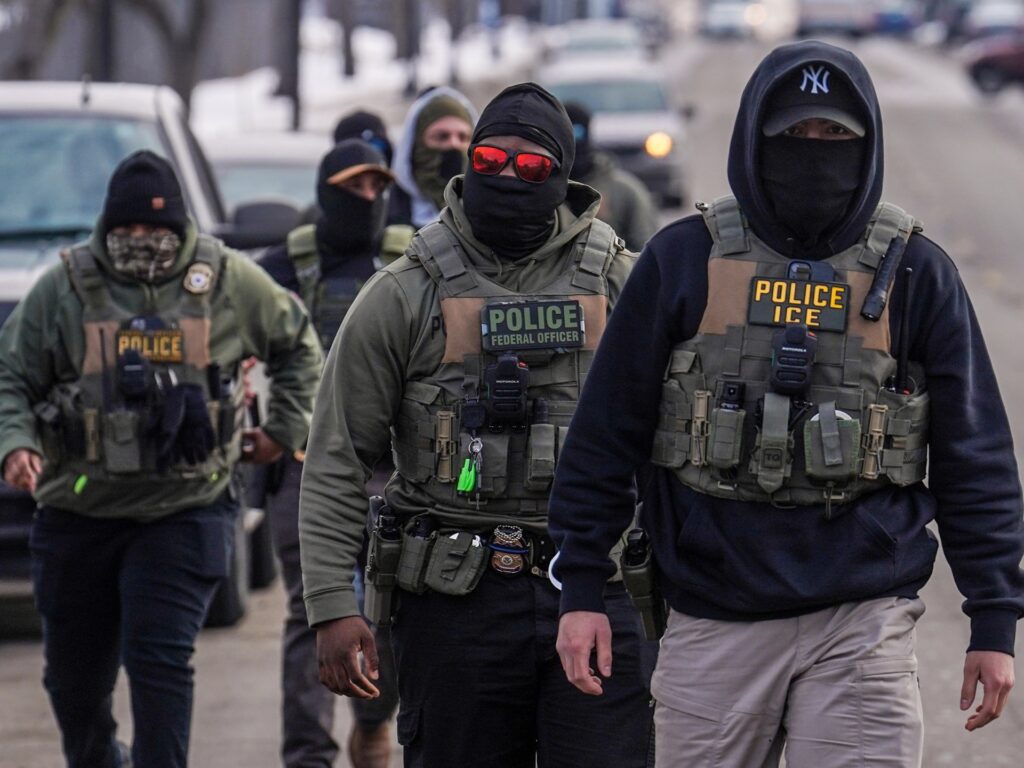
The US Immigration and Customs Enforcement (ICE) agency is set to spend $16.7 million on 6,000 pairs of electric shock gloves, a move that has sparked controversy and criticism. These gloves are designed to deliver painful electric shocks and are intended for use by ICE agents in the field.
The decision to purchase these gloves has raised ethical and humanitarian concerns among advocacy groups and the public. ICE has faced heavy scrutiny in recent years for its handling of immigration enforcement, and this contract may fuel further debate about the agency’s methods.
Electric shock gloves are a type of stun device that can incapacitate a person temporarily through electric shocks delivered via the gloves. They are intended to be a non-lethal means of subduing individuals, but the potential for misuse and the pain caused have led to criticism.
Critics argue that the use of such devices could exacerbate tensions and lead to mistreatment of immigrants, many of whom are already vulnerable. Human rights organizations have called for greater oversight and questioned the need for such an investment in equipment that could inflict pain.
Supporters within law enforcement argue that less-lethal tools like electric shock gloves provide agents with alternatives to firearms, potentially preventing more serious injuries or fatalities during confrontations.
The procurement of these gloves comes at a time when ICE is under intense scrutiny over its enforcement tactics, detention conditions, and overall approach to immigration control. The purchase contract reflects the agency’s commitment to equipping agents with new technology, despite ongoing debates about its appropriateness.
Details of the contract show that the gloves will be supplied to agents across various operations, potentially expanding the scope of their use beyond specific incidents or locations.
Public reaction has been mixed, with some viewing the gloves as necessary tools for officer safety, while others perceive it as a means of inflicting unnecessary pain.
The controversy highlights the broader challenges faced by ICE as it balances enforcement priorities with public accountability and human rights considerations.
As the gloves are deployed, observers and advocacy groups will likely monitor their impact closely, calling for transparency in how and when they are used.
This development adds another chapter in the ongoing national debate over immigration enforcement methods and the balance between security and human dignity.