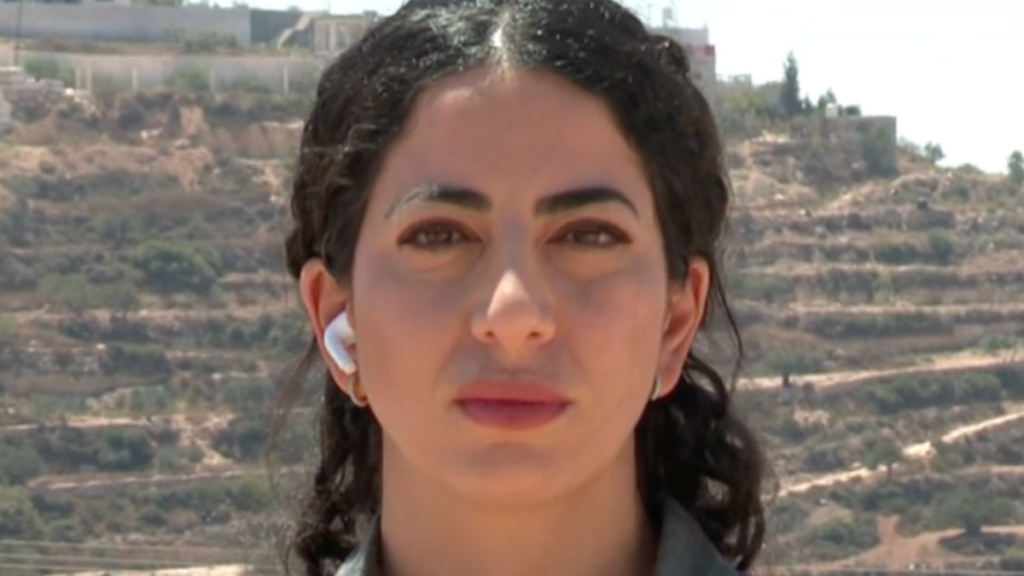
Tensions remain high in the Palestinian village of Qusra, where residents are expressing increasing fear over what they perceive as a growing and potentially permanent Israeli military presence. Recently, Israeli forces have installed three new metal gates strategically near Palestinian homes within the besieged area. These installations have heightened the anxiety among Qusra’s inhabitants, who already live under the strain of ongoing security operations.
The village of Qusra, located in the West Bank, has experienced repeated incursions and restrictions over the years due to the complex Israeli-Palestinian conflict. The addition of these metal gates represents a significant intensification of control measures, effectively imposing further physical and psychological barriers on the local population. Residents report that the gates restrict movement, complicate daily life, and symbolize an entrenched military presence.
According to locals, the gates were installed without prior notification or consultation, contributing to the sense of vulnerability and insecurity. Many see this move as part of a broader strategy to cement Israeli control over contested areas by limiting Palestinian access and mobility. Critics argue that such measures undermine prospects for peace and escalate tensions in an already volatile region.
The impact on residents is profound. Families living adjacent to the new gates describe feelings of isolation from the neighboring communities and difficulties in accessing essential services like medical care, education, and markets. The gates also compound economic hardships, as restrictions deter economic activities and increase costs associated with travel and transport.
Human rights organizations monitoring the situation have raised alarms about possible violations stemming from these restrictions. They call on the international community to intervene and ensure protection for civilians, emphasizing that the prolonged military presence and physical barriers could amount to collective punishment, prohibited under international law.
Palestinian authorities have condemned the installations, accusing Israeli forces of attempting to permanently alter the demographic and geographic realities on the ground. They warn that such actions threaten the social fabric of the community and the viability of a future Palestinian state.
Meanwhile, Israeli officials defend the security measures as necessary to prevent militant activities and protect their citizens. They assert that the gates and other installations are temporary and situational, aimed at controlling access and preventing potential attacks in an area they describe as a hotspot for violence.
This impasse reflects the broader complexities of the Israeli-Palestinian conflict, where security concerns, human rights, and political aspirations intersect. For the residents of Qusra, the new gates stand as stark symbols of uncertainty about their future, evoking fears that the current state of siege may not be temporary but a step towards a permanent Israeli footprint.
The international community continues to watch the situation closely, with calls for renewed dialogue and efforts to address root causes of conflict. Meanwhile, the daily reality for Qusra’s residents remains deeply challenging, as they navigate life under increasing restrictions and an expanding security presence at their doorsteps.