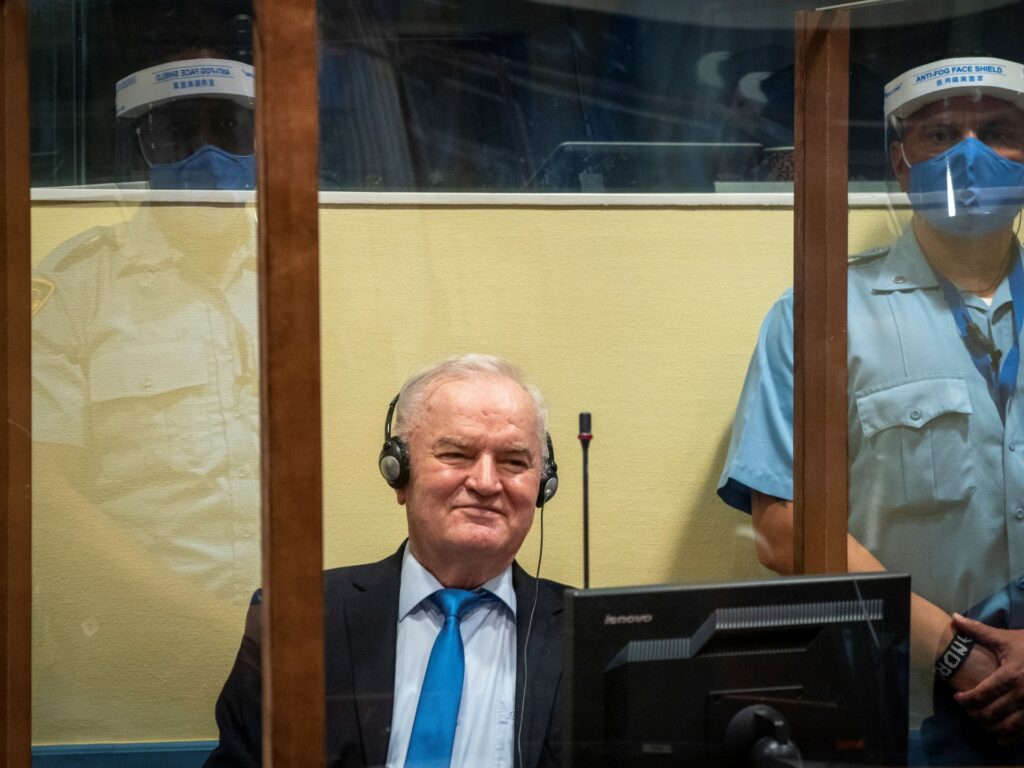
Ratko Mladic, the Bosnian Serb general infamously known as the ‘Butcher of Bosnia’, has passed away at the age of 84. Mladic was a key military figure during the Bosnian War in the 1990s, and his name is synonymous with some of the gravest atrocities committed during the conflict. He was convicted for war crimes including genocide, crimes against humanity, and other serious offenses related to the systematic massacre and ethnic cleansing of Bosnian Muslims and Croats. His death marks the end of a complex and painful chapter in the history of the Balkans.
Born in 1942, Mladic served as a general in the Army of Republika Srpska during the Bosnian War from 1992 to 1995. He was a central figure in orchestrating the Siege of Sarajevo, one of the longest and most brutal sieges in modern warfare, which resulted in thousands of civilian deaths and untold suffering.
Perhaps most notoriously, Mladic played a pivotal role in the Srebrenica massacre in July 1995, where over 8,000 Bosniak men and boys were systematically killed in what has been classified as genocide by international courts. This massacre remains Europe’s worst atrocity since World War II.
Following years on the run, Mladic was finally apprehended in 2011 and subsequently tried by the International Criminal Tribunal for the former Yugoslavia (ICTY). In 2017, he was found guilty on multiple charges and sentenced to life imprisonment.
His trial and conviction were seen as major steps in international justice, although they stirred mixed emotions in the Balkans where memories of the war remain raw and the legacy of division and ethnic tension persists. Supporters viewed him as a hero who defended the Serb people, while victims’ groups and the global community saw him as a symbol of brutal ethnic cleansing and inhumanity.
Mladic’s death might renew discussions on reconciliation and justice in Bosnia and Herzegovina and the wider region. The political and social ramifications of the war continue to impact the stability and unity of the Balkans, highlighting the importance of addressing the scars left by conflict.
Historians and human rights organizations have reiterated the need for remembrance and education about the atrocities committed during the Bosnian War to prevent such events from happening again. Mladic’s name remains a stark reminder of the consequences of unchecked nationalism and ethnic hatred.
As the international community reflects on Mladic’s death, the focus may shift towards supporting peacebuilding efforts, healing divisions, and ensuring that justice and human rights remain a priority in the Balkans.
Ratko Mladic’s legacy is a testament to the darkest days of modern European history, a period that must not be forgotten as the world seeks a future free from such horrors.