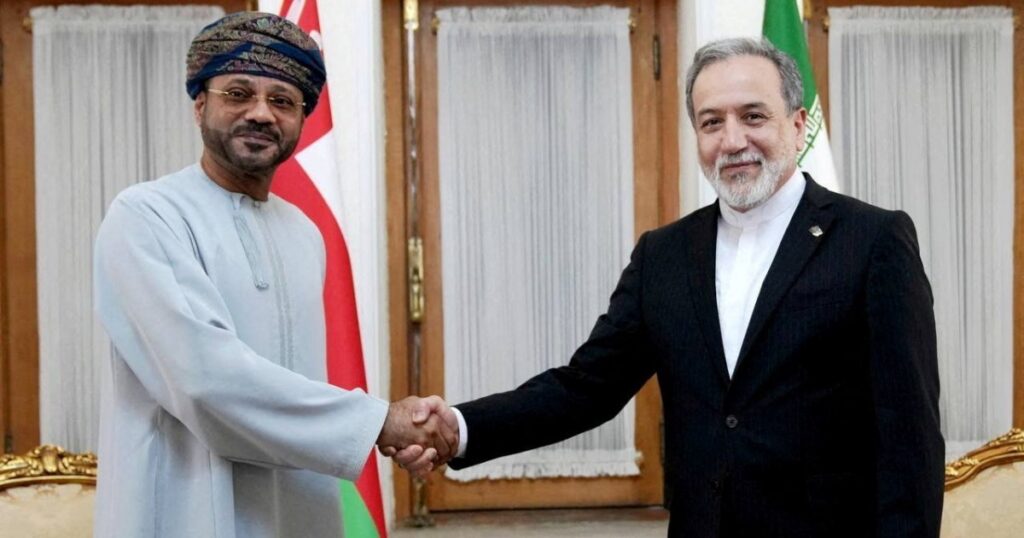
Recent diplomatic movements involving Iran have sparked speculation about a possible reduction in regional hostilities. Officials from Qatar, Oman, and Pakistan have been visiting Iran in what analysts interpret as efforts toward conflict de-escalation, particularly on the military front.
These visits come amid rising tensions in the Middle East, where several longstanding conflicts have involved Iran either directly or through proxy groups. The presence of diplomats from these countries, known for their roles as mediators in regional conflicts, hints at a concerted attempt to open channels for dialogue.
Qatar, Oman, and Pakistan each maintain unique relationships with Iran, balancing their own strategic interests with an overarching desire for regional stability. Qatar acts as a mediator by hosting negotiations, Oman has historically served as a conduit for backchannel communications, and Pakistan maintains cooperative yet cautious ties with Tehran.
The timing of these visits aligns with increasing global concern about potential escalations that could draw in additional regional and international players. Analysts suggest that Iran might be receptive to de-escalation as it seeks to mitigate economic pressures from sanctions and international isolation.
These diplomatic engagements signal a potential thawing of relations and an opening for peace talks that could curtail military confrontations. While there is cautious optimism, experts emphasize that challenges remain, including deep-rooted political conflicts, regional rivalries, and divergent interests among stakeholders.
A de-escalation would not only reduce immediate military risks but also provide a foundation for more sustainable diplomatic solutions in the future. Observers are watching closely to see if these diplomatic efforts translate into concrete agreements or tangible steps toward peace.
In summary, the visits by Qatar, Oman, and Pakistan officials to Iran indicate an increase in diplomatic initiatives that could herald a reduction in hostilities. Although it is premature to declare a lasting peace, the current signs suggest that both sides might be ready to consider military de-escalation as part of a broader strategy for stability in the region.